China Top 10 Check Valve Suppliers for Global Buyers?
Choosing a reliable check valve supplier can shape plant safety, maintenance costs, and delivery performance. This guide examines China’s top 10 check valve suppliers for global buyers. It focuses on practical evidence, not impressive claims alone.
The comparison considers manufacturing experience, product range, testing capacity, certifications, and export support. Buyers may find wafer, swing, lift, dual-plate, and axial-flow designs. Materials can include stainless steel, carbon steel, duplex steel, and alloy options. Each application needs careful matching. Water treatment, oil processing, chemical service, and power systems create different pressure and temperature demands.
Details matter.
A dependable supplier should provide clear drawings, pressure ratings, material certificates, and inspection records. Hydrostatic testing, shell testing, and functional checks should follow recognized standards. ISO, API, CE, and other certifications can support evaluation, but certificates require verification. A factory visit or third-party audit may reveal more than a polished website. Ask about machining accuracy, sealing surfaces, coating quality, spare parts, and lead times. Request samples when the project allows.
This overview also considers communication and after-sales support. A low quotation may hide limited documentation or inconsistent production. That risk deserves attention. No supplier is perfect, and rankings can change with project requirements, capacity, and service quality. Buyers should compare technical fit, total cost, and traceable performance before making a final decision. The goal is not to choose the biggest name. It is to select a check valve partner that performs reliably under real operating conditions.
What Defines a Leading Check Valve Supplier in China
What Defines a Leading Check Valve Supplier in China
A leading check valve supplier in China is defined by more than factory size or export volume. Practical experience appears in small technical decisions. Engineers should match valve type, pressure rating, temperature, and media before discussing price. A supplier must understand wafer, swing, lift, and dual-plate designs. Each behaves differently in pipelines.
Reliable suppliers provide clear drawings, material certificates, inspection records, and traceable production batches. They should explain body materials, seat performance, spring selection, and cracking pressure. These details matter in water systems, chemical lines, oil service, and industrial processing. Independent pressure testing adds confidence. So does consistent dimensional control.
Communication also reveals professional ability. A capable team asks about flow direction, installation space, operating cycles, and possible water hammer. It does not simply recommend the most expensive model. Sample approval should include real test data, not attractive photographs. Factory audits can examine machining areas, assembly benches, calibration labels, and storage conditions.
No supplier is perfect. A polished website proves very little. Even experienced buyers can overlook gasket compatibility or maintenance access. That deserves honest discussion. After-sales support should cover installation questions, nonconformance handling, and replacement parts. Response speed matters when a valve fails during commissioning. Long-term reliability comes from disciplined processes, not confident promises.
China’s Top 10 Check Valve Suppliers for International Buyers
China’s Top 10 Check Valve Suppliers for International Buyers should be judged by evidence, not catalog size.
Reliable suppliers usually provide swing, lift, wafer, and dual-plate check valves for water, oil, gas, and process systems. Material options may include stainless steel, carbon steel, ductile iron, and special alloys.
Fit
matters.
International buyers should examine pressure ratings, temperature limits, end connections, sealing materials, and flow direction. Ask for evidence. Useful documents include dimensional drawings, material certificates, pressure-test records, and inspection reports. Suppliers with traceable quality procedures can reduce leakage, installation delays, and replacement costs.
However, certificates alone do not prove consistent production. An independent inspection may still be sensible for large orders.
Communication is another practical test. A capable supplier should answer technical questions clearly and confirm tolerances before production.
Sample approval can expose problems with disc movement, gasket compression, or bolt-hole alignment. Packaging also deserves attention, especially when valves travel through humid ports or long inland routes.
The ranking is never permanent. A supplier performing well on one project may struggle with urgent delivery, customized coatings, or after-sales support. Buyers should compare factory capacity, testing equipment, export experience, and response quality before selecting a long-term partner.
Main Check Valve Types, Materials, and Industry Applications
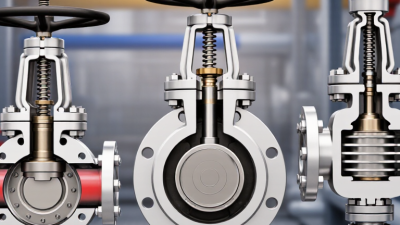
For global buyers comparing China’s top check valve suppliers, understanding valve design matters more than catalog size. A check valve permits flow in one direction and closes when pressure reverses. Swing check valves suit water lines and moderate flow speeds. Lift check valves provide stable sealing in compact, high-pressure systems. Wafer dual-plate valves save space between flanges, while ball check valves handle wastewater and slurry more effectively. Foot valves include strainers and support pump suction lines.
Material selection should follow the medium, pressure, temperature, and corrosion risk. Carbon steel works well in many utility pipelines. Stainless steel, especially 316, offers better resistance to chlorides and process chemicals. Duplex stainless steel can serve demanding seawater and offshore duties. Cast iron remains common in low-cost water systems, but it may perform poorly in aggressive environments. Soft seats reduce leakage, while metal seats tolerate heat and abrasive particles. The wrong seat can fail quietly.
Applications vary widely. Municipal water plants often use swing or wafer valves near pumps. Oil, gas, and chemical facilities may require forged bodies, fire-safe designs, and traceable testing. Power stations demand reliable operation under thermal cycling. Food and pharmaceutical lines need cleanable surfaces and suitable elastomers. Buyers should request pressure-test records, material certificates, drawings, and inspection procedures. A polished datasheet proves little by itself. I have seen specifications miss installation direction and minimum cracking pressure. That small omission can cause serious field trouble. Supplier evaluation should include sample inspection, communication quality, and after-sales technical support.
How to Evaluate Quality, Certifications, Pricing, and Production Capacity
China Top 10 Check Valve Suppliers for Global Buyers?
Selecting among China’s leading check valve suppliers requires more than comparing catalog photos. Examine body material, disc alignment, seat finish, and pressure-test records. A reliable supplier should provide heat numbers, inspection reports, and traceability from casting to shipment. Ask whether hydrostatic and low-pressure air tests follow the stated standard.
Certifications deserve careful checking. Request the original ISO 9001 certificate and confirm its scope, expiry date, and issuing organization. For oil, gas, or industrial projects, verify relevant API, ASME, or CE documentation for the exact valve series. Paper is not proof. Compare certificate details with nameplates, drawings, and recent test reports. An audit of the production floor can reveal more than a polished presentation.
Pricing should include material grade, pressure class, coating, testing, packaging, and delivery terms. A low quotation may exclude spare parts or inspection costs. Production capacity also needs measurable evidence. Review monthly output, machining equipment, quality staff, and typical lead times. Ask for records from a similar order, not only promised figures. In practice, a supplier may report high capacity while relying heavily on outside workshops. That can weaken consistency and delay corrective action. Video calls help, but an independent inspection is safer for large orders. Small sample orders can expose sealing problems, dimensional variation, or poor documentation before a full contract is signed.
China Check Valve Supplier Evaluation Framework for Global Buyers
This benchmark model reflects the main factors commonly assessed by international buyers when evaluating check valve suppliers: product quality, certification coverage, total pricing competitiveness, production capacity, and delivery reliability. The percentages represent evaluation weights rather than rankings of individual companies.
Key Factors for Selecting and Purchasing from Chinese Suppliers
China Top 10 Check Valve Suppliers for Global Buyers
Selecting Chinese check valve suppliers requires more than comparing unit prices. Grand View Research estimated the global industrial valves market at approximately USD 78 billion in 2023. This scale increases competition, but it also makes supplier verification essential. Ask for pressure-test records, material certificates, dimensional drawings, and traceability for every production batch. Confirm the valve’s cracking pressure, leakage class, temperature range, and connection standard. A polished catalog proves little.
Request samples before approving a large order. Test them under realistic conditions, including reverse pressure and repeated cycling. ISO 5208 provides recognized leakage-testing methods, while API 598 is widely used for industrial valve inspection. Suppliers should explain which standard applies and why. Details decide. Do not accept vague claims such as “international quality.” Require measurable results, signed reports, and calibrated equipment records.
Purchase planning should also examine tooling, minimum order quantities, packaging, spare parts, and warranty response times. The World Bank’s 2023 Logistics Performance Index gave China a score of 3.7 out of 5, yet local delivery performance can vary considerably by region. Freight quotations should include port charges, insurance, export documents, and realistic lead times. A low factory price may lose its advantage after delays or rework. Buyers sometimes overvalue certificates and undervalue process control. That judgment deserves review. An on-site audit, video inspection, and pre-shipment testing can reduce avoidable surprises.