In modern industrial applications, the swing check valve has gained immense popularity. This valve type plays a critical role in maintaining flow direction and preventing backflow. Engineers and designers often choose it for its reliability and efficiency.
Swing check valves feature a disc that swings open and closed, allowing fluid flow in one direction. They are widely used in water supply systems, wastewater management, and chemical processing. Understanding their applications and benefits is essential for effective system design.
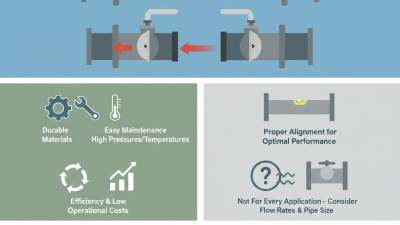
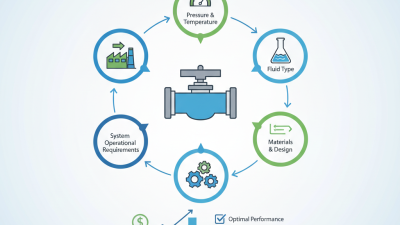
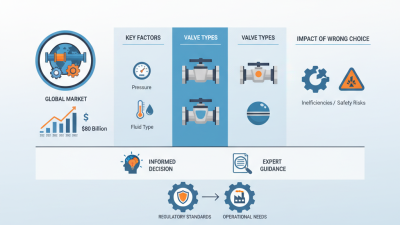
Despite their advantages, swing check valves can pose challenges. Choosing the right size and material is crucial for optimal performance. Incorrect installation may lead to leaks or valve failure. Awareness of these factors can enhance reliability and longevity in various applications.
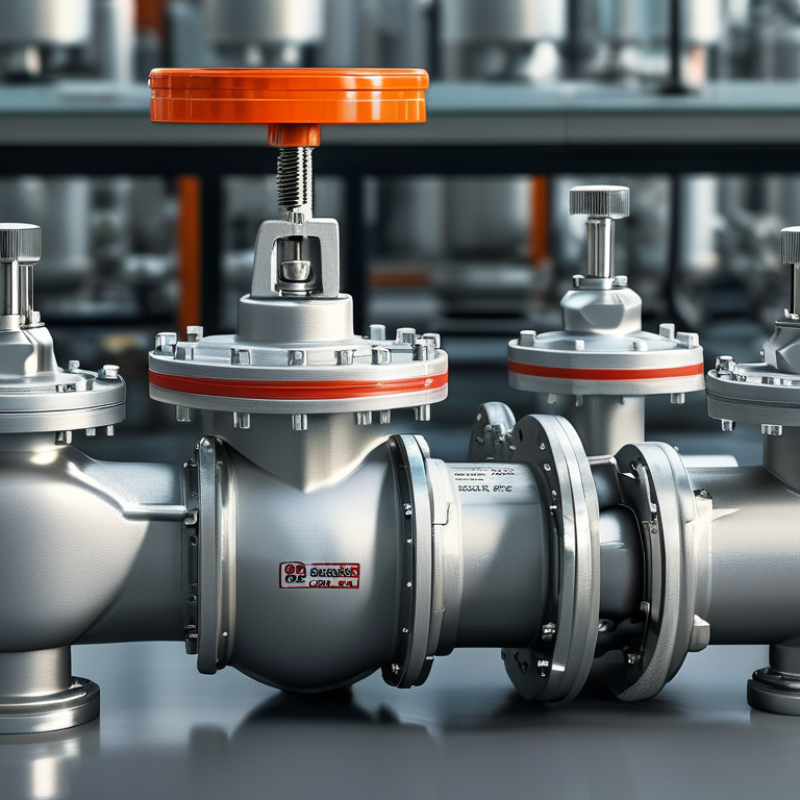
Swing check valves play a crucial role in fluid systems. They are designed to allow fluid to flow in one direction while preventing backflow. This functionality is essential in many applications, such as water treatment, HVAC systems, and chemical processing. The design typically includes a hinged disk that opens with forward flow and closes when flow reverses, ensuring minimal disruption in the system.
Understanding the mechanical workings of swing check valves reveals their advantages and limitations. The simple yet effective design allows for low-pressure drops and efficient operation. However, they are not immune to issues. For instance, improper installation may lead to vibration and noise. It's vital to ensure they are placed correctly to maintain functionality and reliability. Additionally, choosing the right material is crucial to withstand the specific conditions of your application, as corrosion or wear can affect valve performance.
Despite their reliability, swing check valves do require regular maintenance. Operators need to inspect them for signs of wear and ensure they are free from debris. This preventive measure can prolong their life and enhance system efficiency. Balancing durability with proper care is key to maximizing the benefits of these valves.
Swing check valves play a crucial role in various industries, ensuring fluid and gas flow while preventing backflow. In the oil and gas sector, for example, these valves are essential for maintaining safety and operational efficiency. The global oil and gas market reached a value of $1.9 trillion in 2021, with a significant reliance on reliable valve systems to support workflow. Given this demand, swing check valves have been engineered for high-pressure environments to handle challenging conditions effectively.
In water treatment facilities, swing check valves ensure that water flows in the intended direction while protecting pumps and other equipment from damage caused by reverse flow. According to a report by the World Health Organization, access to clean water has become increasingly important, with 2.2 billion people lacking safely managed drinking water. The efficiency of these valves directly impacts the performance and safety of wastewater management systems.
While swing check valves offer numerous advantages, there are challenges to consider. The weight and position of the valve can affect its performance. Improper installation may lead to water hammer effects, causing noise and potential damage. Regular maintenance is necessary to ensure they function correctly. Addressing these concerns through engineering innovation remains vital for maximizing their positive impact across industries.
Swing check valves are pivotal in fluid systems. Their primary function is to prevent backflow. This capability is crucial for maintaining system integrity and efficiency. In many applications, the use of swing check valves has been shown to reduce maintenance costs by up to 30%. This reduction is largely due to the reliable sealing properties that prevent reverse flow and protect pumps.
Moreover, swing check valves are designed for high flow rates. They have a low-pressure drop, which enhances system performance. Reports indicate that properly installed swing check valves can improve overall system efficiency by 15%. This efficiency is beneficial for industrial applications, where downtime can be costly.
However, not all installations guarantee optimal performance. Regular inspections are necessary to identify wear or misalignment, as these issues can lead to failures. Developing a robust maintenance schedule can mitigate such risks. It is essential to rely on data-driven approaches to ensure longevity and reliability in fluid systems. Ensuring that the valves are correctly chosen and regularly maintained builds trust in system performance.
Material selection is crucial when designing durable swing check valves. Common materials include cast iron, stainless steel, and plastic. Each material has specific advantages and disadvantages. For instance, stainless steel is resistant to corrosion, making it suitable for harsh environments. Cast iron offers great strength but may rust over time if not maintained correctly.
In addition, the valve's operating conditions must be considered. High-pressure situations may require more robust materials. In contrast, low-pressure applications might not need such high durability. Designing a valve involves balancing cost against performance. This balance often requires careful thought and analysis.
Understanding the material properties helps avoid potential failures. A poorly chosen material can lead to leaks or valve failure. Regular inspection is also important. Maintenance often reveals issues that material choice may not immediately indicate. Therefore, effective design and material selection together enhance the valve's reliability and longevity.
Swing check valves are essential for many industrial applications. Proper maintenance is crucial for their optimal performance. Regular inspections can identify potential issues early, preventing costly downtimes. A frequent problem is wear and tear on the seating surfaces. If the surface becomes rough, it can lead to leaks. This emphasizes the importance of regular checks and timely replacements.
Troubleshooting swing check valves can also be complex. Misalignment can cause operational issues. If the valve does not close properly, it may allow backflow. This situation not only affects efficiency but can also damage equipment downstream. Proper installation and alignment checks are imperative. Additionally, periodic cleaning is necessary. Accumulated debris can obstruct the valve, leading to malfunction.
Documentation of any maintenance activity is often overlooked. This practice, however, builds a clear history of valve performance. Noting patterns in maintenance can help identify recurring issues. Such records can guide future troubleshooting efforts. A proactive approach in maintenance ensures greater reliability and longevity of swing check valves. Regular attention to these components pays off in the long run.