Choosing the right check valve in 2026 requires more than matching pipe diameter. The decision affects flow stability, equipment protection, maintenance costs, and plant safety. A valve that looks suitable on paper may still slam during pump shutdown. That mistake is common.
The IEA’s Electricity 2024 report expects global electricity demand to grow by about 4% annually through 2026. More power generation and industrial capacity will increase demand for dependable fluid control. The UN World Water Development Report 2024 also highlights agriculture’s major share of global freshwater withdrawals. These pressures make reliable water, energy, and process systems increasingly important. In each application, a check valve must match the medium, pressure, temperature, flow direction, and installation position.
Small details matter. A swing check valve may suit low-resistance pipeline service. A wafer check valve can save space between flanges. A lift or spring-loaded design may respond faster near a pump. Engineers should verify cracking pressure, reverse-flow speed, water hammer risk, body materials, and expected cycling. ASME B16.34, API 6D, and applicable EN standards provide useful design and testing references. However, standards do not replace field judgment.
Real conditions are rarely perfect.
Pipe supports may vibrate. Fluid may carry sand, fibers, or corrosive chemicals. Maintenance teams may also prefer a design with simple inspection access. A careful selection process combines manufacturer test data, system calculations, operating history, and professional review. No checklist catches everything. That is why the best choice is not the cheapest check valve, but the one that performs predictably under actual service conditions.
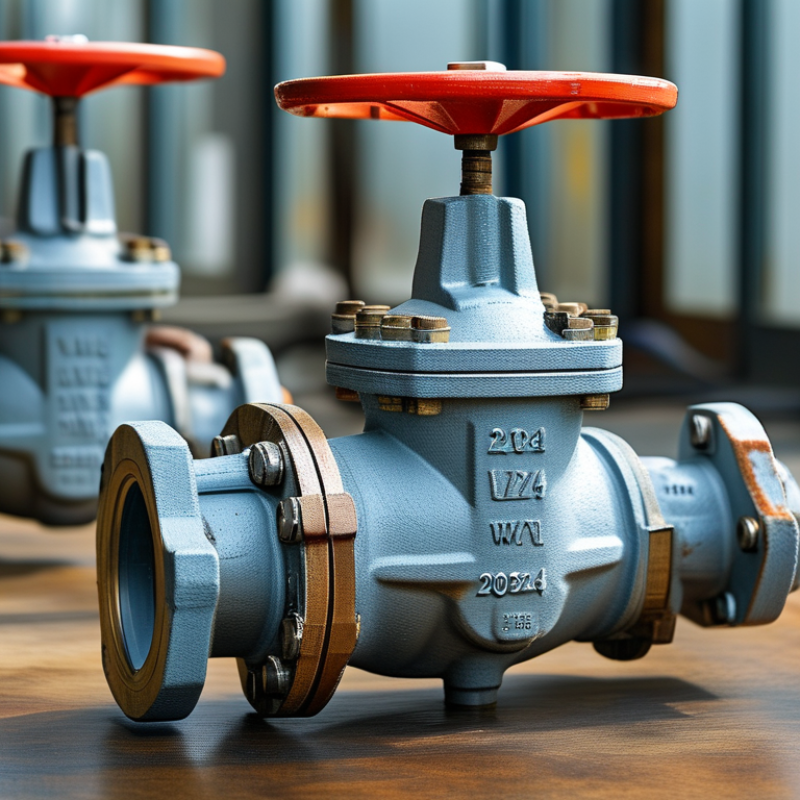
How to Choose the Right Check Valve in 2026?
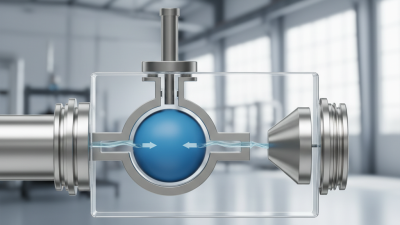
A check valve allows fluid to move in one direction and blocks reverse flow. This simple action protects pumps, filters, tanks, and process equipment. When reverse flow occurs, pressure can drop suddenly, contamination can spread, and rotating equipment may suffer damage. The valve works automatically, without an external actuator. Small component. Serious responsibility.
Choosing the right valve starts with the fluid. Water, oil, air, and corrosive chemicals require different body and seal materials. Record the operating pressure, temperature, flow rate, and pipe size before selecting a model. A swing check valve suits steady, horizontal flow with modest pressure loss. A spring-loaded valve responds faster and often works well in compact piping. However, its cracking pressure may restrict low-flow systems. That detail is easy to miss.
Installation also shapes performance. Keep the flow arrow aligned with the actual direction. Follow the manufacturer’s position requirements, especially for vertical piping. In pump discharge lines, a quick-closing valve can reduce reverse flow, but it may create water hammer. A slower response might be safer. During inspection, check for noise, vibration, leakage, and debris around the seat. A valve can appear correctly sized and still perform poorly. Real systems are rarely perfect. Review field conditions, not just catalog tables, before approving the final selection.
Choosing a check valve starts with the pipeline, not the valve catalog. Record the fluid, temperature, pressure, flow direction, and pipe orientation. A water line at 20°C behaves differently from a hot oil line or a compressed-gas system. Small details matter.
Measure normal flow and possible peak flow. Then check the minimum flow that keeps the valve stable. A valve with excessive cracking pressure may remain closed when the pump starts. An oversized valve can also flutter at low flow. That repeated movement may damage the seat, hinge, or nearby pipe supports.
Look for pressure surges, especially when pumps stop suddenly. A fast-closing valve can reduce reverse flow but may create water hammer. Review the pump curve, shutdown sequence, and pipe length together. Vertical installation may require a different design from horizontal installation. Confirm whether the medium contains sand, fibers, solids, or corrosive chemicals.
Material compatibility needs careful attention. Stainless construction is not automatically suitable for every chemical. Check concentration, temperature, and exposure time against reliable engineering data. Also verify pressure ratings at the actual operating temperature, not only at room temperature.
A spreadsheet can look complete and still hide uncertainty. Recheck unusual readings. Ask whether the system will operate differently after expansion, seasonal changes, or maintenance. The best selection reflects real conditions, including the inconvenient ones.
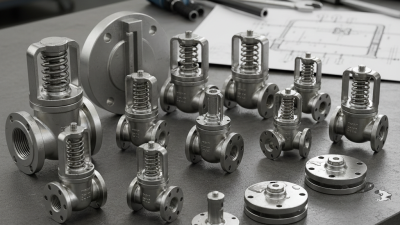
Choosing the right check valve in 2026 starts with understanding how each design controls flow. A swing check valve uses a hinged disc and usually creates low pressure loss. It suits steady, clean fluid movement through larger pipelines. However, its disc can close slowly when flow reverses. That delay may create water hammer. A lift check valve closes faster, but its narrow path often produces greater pressure drop. It also needs careful installation and regular inspection.
Wafer and dual-plate check valves occupy less space between flanges. Their spring-assisted plates respond quickly to changing flow. This design can reduce reverse-flow impact in compact systems. The trade-off is higher sensitivity to debris and poor alignment. A ball check valve handles dirty liquids reasonably well when its passage remains clear. It may not perform reliably at very low flow rates. Every design has a weakness.
Small details matter. A spring-loaded valve may need higher cracking pressure before opening. That can reduce efficiency in a low-pressure line. During selection, compare flow rate, fluid temperature, viscosity, installation direction, and allowable pressure loss. Review tested performance data, not only catalogue diagrams. On-site checks should include flange alignment and visible signs of disc impact. I once treated quick closure as an automatic advantage; it was not. Faster closure can protect one section while stressing another. The best choice depends on the complete flow path, not the valve alone.
How to Choose the Right Check Valve in 2026?
Choosing a check valve starts with the fluid, not the pipe size. Confirm whether the service contains water, oil, chemicals, air, or abrasive particles. Stainless steel may suit corrosive fluids, while ductile iron can work well in properly treated water systems. Elastomer seals also need compatibility checks. A seal that swells can restrict movement and cause failure.
Match the valve size to the actual flow rate and velocity. Do not match pipe diameter blindly. An oversized valve may close slowly and create reverse flow. An undersized valve can cause pressure loss, noise, and premature wear. Check the maximum working pressure, pressure class, and temperature range together. Ratings often change at elevated temperatures. Review certified test data and installation instructions before approval.
Tips: Select a cracking pressure that supports reliable opening without unnecessary resistance. Check the flow arrow twice. Install the valve where maintenance access remains practical. In field reviews, water hammer is often underestimated. I have seen a seemingly correct selection perform poorly because the closing speed was ignored. That detail deserves another review. Consider vertical or horizontal installation, backpressure, and frequent cycling. For critical systems, ask a qualified engineer to verify material compatibility, pressure limits, and expected operating conditions.
| Valve Type | Typical Body Materials | Common Seat or Seal Materials | Typical Size Range | Typical Pressure Rating | Typical Temperature Range | Suitable Media and Service | Key Selection Considerations |
|---|---|---|---|---|---|---|---|
| Swing Check Valve | Cast iron, ductile iron, carbon steel, stainless steel | Metal-to-metal, EPDM, NBR, PTFE | DN50–DN1200 (NPS 2–48) |
PN10–PN40 ASME Class 125–300 |
-29°C to 425°C (-20°F to 800°F), depending on materials and trim |
Water, wastewater, cooling systems, process fluids, hydrocarbons, and steam when metal seated | Good for relatively low pressure drop and horizontal pipelines. Provide adequate backflow velocity to close the disc and check for water hammer in high-flow systems. |
| Wafer Dual-Plate Check Valve | Ductile iron, carbon steel, stainless steel | EPDM, NBR, FKM, PTFE, metal seat | DN50–DN900 (NPS 2–36) |
PN10–PN40 ASME Class 150–600 |
-29°C to 400°C (-20°F to 752°F), depending on seat and trim |
Water, HVAC, fire-protection systems, chemicals, gases, and general process piping | Compact and lightweight with short face-to-face dimensions. Confirm flange compatibility, minimum flow velocity, and disc spring material before installation. |
| Lift Check Valve | Carbon steel, stainless steel, forged steel | Metal-to-metal, PTFE, graphite-assisted metal seat | DN15–DN300 (NPS ½–12) |
ASME Class 150–2500 | -29°C to 538°C (-20°F to 1000°F), depending on construction |
Steam, high-pressure water, oil, gas, and process piping | Provides reliable shutoff in high-pressure service but normally requires horizontal installation and a sufficient pressure differential to lift the piston or poppet. |
| Piston Check Valve | Forged carbon steel, alloy steel, stainless steel | Metal seat, hard-faced trim, graphite packing where applicable | DN15–DN200 (NPS ½–8) |
ASME Class 300–2500 | -29°C to 538°C (-20°F to 1000°F), depending on alloy and trim |
High-pressure steam, boiler feedwater, hydrocarbons, and high-temperature process fluids | Suitable for demanding pressure service and frequent cycling. Higher pressure loss and correct flow orientation should be considered during sizing. |
| Ball Check Valve | Cast iron, ductile iron, carbon steel, stainless steel, PVC or CPVC | EPDM, NBR, FKM, PTFE, or elastomer-coated ball | DN15–DN400 (NPS ½–16) |
Typically PN6–PN25 Up to approximately ASME Class 150 in metallic designs |
-20°C to 120°C (-4°F to 248°F), depending on ball and seat material |
Wastewater, slurry, dosing systems, water treatment, and low-to-medium pressure fluids | Handles dirty fluids well when the passage is full-port or self-cleaning. Verify that the ball density, backpressure, and line velocity are suitable for dependable closure. |
| Spring-Loaded Inline Check Valve | Brass, bronze, stainless steel, carbon steel, engineered thermoplastics | EPDM, NBR, FKM, PTFE, PEEK, metal seat | DN6–DN100 (NPS ¼–4) |
Typically PN10–PN40 Up to ASME Class 600 in selected metallic designs |
-40°C to 200°C (-40°F to 392°F), depending on seal and body material |
Compressed air, gases, water, pumps, instrumentation, and chemical dosing lines | Can be installed in several orientations and closes quickly. Check the cracking pressure, which commonly ranges from about 0.03 to 1.0 bar depending on spring selection. |
| Plastic Check Valve | PVC, CPVC, polypropylene, PVDF | EPDM, FKM, PTFE | DN15–DN300 (NPS ½–12) |
Typically PN6–PN16 at ambient temperature; pressure capacity decreases as temperature rises | PVC: 0°C to 60°C CPVC: 0°C to 93°C PVDF: approximately -20°C to 140°C |
Corrosive chemicals, ultrapure water, water treatment, acids, and alkalis, subject to chemical compatibility | Excellent corrosion resistance and low weight. Always apply the manufacturer’s temperature derating curve and confirm compatibility with concentration, pressure, and cleaning chemicals. |
| Sanitary Check Valve | 316L stainless steel | EPDM, FKM, silicone, PTFE | DN15–DN100 (NPS ½–4) |
Typically 6–16 bar (approximately 87–232 psi), depending on connection and design |
Approximately 0°C to 150°C (32°F to 302°F), subject to seal and cleaning cycle |
Food, beverage, pharmaceutical, biotechnology, and hygienic water systems | Select a hygienic connection and surface finish suitable for the process. Confirm clean-in-place temperature, sterilization method, drainability, and elastomer compliance requirements. |
Engineering note: The pressure and temperature values above are typical selection ranges, not universal limits. Final sizing must account for flow rate, pressure drop, fluid density and viscosity, water-hammer risk, installation orientation, flange standard, corrosion allowance, and the valve’s certified pressure-temperature rating. For elastomer-seated valves, the seal rating usually limits the operating temperature before the metal body does.
Choosing the right check valve in 2026 means proving its installation and serviceability, not only matching pressure ratings.
The U.S. Department of Energy reports that pumping systems can consume 25–50% of industrial electricity. A poorly selected valve can increase turbulence, pressure loss, and pump workload.
Verify flow direction, piping alignment, and minimum closing pressure during commissioning. Check the disc or piston movement manually, where the design allows it. Confirm that the valve closes before reverse flow develops.
API 598 testing practices provide a useful framework for pressure and leakage verification, while ASME B16.34 supports pressure-temperature selection.
Small details matter.
Record torque, test pressure, temperature, and observed leakage. ISO 14224 recommends structured equipment failure and maintenance data for better reliability analysis.
That record should include cycle frequency, fluid cleanliness, vibration, and the actual failure mode. A valve that passes a factory test may still fail early if installed beside a turbulent elbow.
Maintenance intervals should follow operating evidence, not habit. Inspect hinges, springs, seats, bolting, and corrosion during planned shutdowns.
In my experience, “maintenance-free” is often an assumption, not a measurement.
Ultrasonic checks can identify reverse-flow noise, but they cannot replace physical inspection. Review the trend after every intervention.
A repeated seat mark may indicate unstable flow, incorrect sizing, or a design decision that deserves reconsideration.