Selecting industrial check valves is not a simple catalog exercise. A valve may fit the pipe yet fail under pulsating flow, corrosive media, or frequent cycling. Field inspections commonly reveal noisy operation, worn seats, reverse flow, and water hammer. These problems often begin with an overlooked sizing assumption.
The U.S. Department of Energy reports that compressed-air leaks can waste 20–30% of compressor output. A poorly selected check valve can add unnecessary pressure loss to that system. The seven tips in this guide examine flow direction, valve type, cracking pressure, pressure rating, temperature, materials, and maintenance access. Each factor affects reliability. Small details matter.
Use recognized standards. API 6D addresses pipeline valves, while ASME B16.34 covers pressure-temperature ratings, materials, and testing requirements. ISO 5208 defines pressure-testing procedures for industrial valves. These documents provide a stronger basis than price comparisons alone. Manufacturer test data should also show leakage class, allowable velocity, and operating limits.
Do not trust appearance.
A stainless-steel body does not automatically suit chloride-rich water. A swing check valve may work well in a steady pipeline but react poorly to rapid flow reversals. A wafer design can save space, yet installation alignment becomes more critical. Even experienced teams can miss this. The best choice connects actual service conditions with verified documentation, practical maintenance needs, and a realistic failure response. That is the focus of the following seven tips.
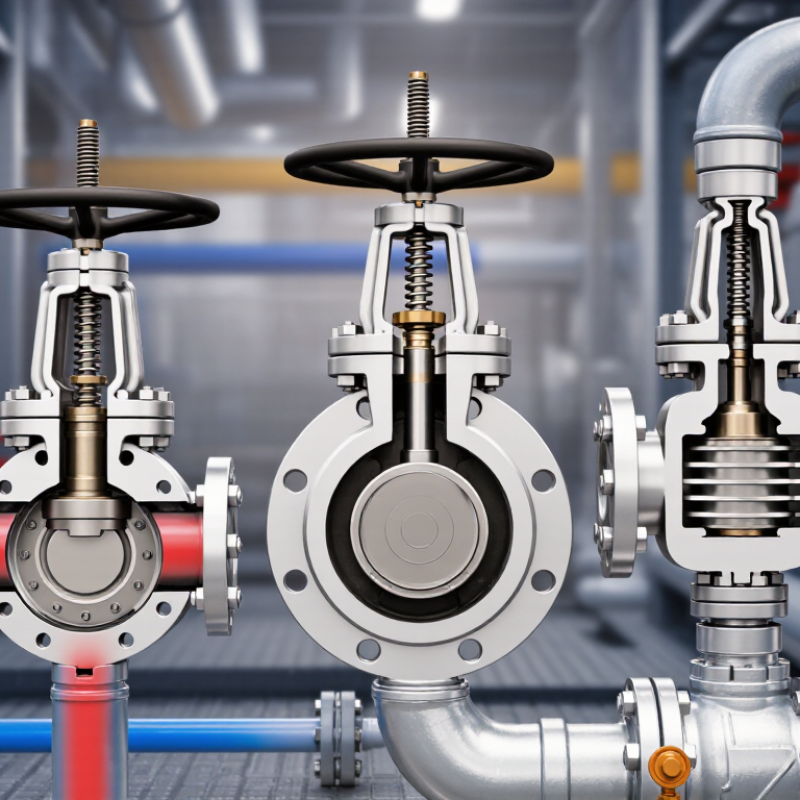
Industrial check valves prevent unwanted reverse flow, but their function is more specific than simple one-way movement. They open when forward pressure lifts the disc, ball, or plate. They close when flow stops or reverses. Fast closure matters. It can reduce contamination, pump damage, and pipeline pressure surges. When selecting a valve, check the cracking pressure, flow direction, and required closing speed. A valve that closes too slowly may cause water hammer. One that closes too quickly may create severe shock. This balance is often overlooked.
Application conditions should guide the design. Swing check valves suit many horizontal pipelines with steady flow. Lift and spring-loaded valves can perform better where installation space is limited. For vertical piping, confirm the valve supports upward or downward flow. Review the fluid temperature, viscosity, suspended particles, and corrosive behavior. Match the body and sealing materials carefully. Then verify pressure and temperature ratings against applicable engineering standards and local codes. Maintenance records can reveal practical problems, such as noisy operation, leaking seats, or debris trapped around the disc. These signs deserve attention. Do not rely on size alone. A valve may fit the pipe and still restrict flow unnecessarily. Testing under realistic operating conditions is wiser, although it is sometimes skipped to save time. Clear markings, accessible installation, and a suitable isolation point also make future inspection safer and more reliable.
Pressure class is one of the key factors when choosing an industrial check valve. The chart shows representative pressure ratings at 100°F (38°C) for carbon steel ASTM A216 WCB valves in accordance with ASME B16.34 pressure-temperature ratings.
Use the correct valve type for the flow direction, installation position, closing speed, and allowable pressure loss. Swing, lift, wafer, and dual-plate check valves may have different pressure, temperature, and installation limits, so the final selection should be verified against the applicable design standard and manufacturer documentation.
Match the valve to the fluid before comparing purchase prices. Clean water, abrasive slurry, hydrocarbons, and corrosive chemicals demand different disc materials and sealing surfaces. Check viscosity and suspended solids carefully. Small particles can hold a disc open, causing reverse flow. In field commissioning, this mistake appears more often than expected.
Confirm the maximum operating pressure, pressure spikes, and temperature range. A valve rated only for steady pressure may fail during pump starts or sudden shutdowns. The U.S. Department of Energy’s Improving Pumping System Performance sourcebook reports that pumping systems can consume 25–50% of industrial facility electricity. That figure makes pressure drop a serious operating cost. Choose a low-resistance design when flow is continuous, but do not ignore closing speed. Fast closure can create damaging water hammer. ISO 5208 provides recognized leakage testing methods, while ASME B16.34 addresses pressure-temperature ratings and construction requirements.
Review the normal, minimum, and maximum flow rates. A valve that is oversized may chatter at low flow. An undersized valve may create excessive turbulence and energy loss. Consider installation orientation, nearby elbows, maintenance access, and the required inspection interval. Keep the selection sheet honest. Laboratory data may not represent a dirty, vibrating process line. Leave room for uncertainty, especially when fluid properties change during production.
Choosing an industrial check valve starts with the fluid, not the catalog photo. Identify its chemistry, temperature, pressure, solids, and flow direction before comparing materials. Stainless steel often handles corrosive service, while carbon steel may suit dry, moderate-duty lines. For aggressive chemicals, verify compatibility with seals and springs, not only the valve body. This detail is easy to miss. In wastewater applications, suspended particles can damage a tight seating surface. A field inspection taught me that “corrosion-resistant” never means universally resistant.
Valve size should follow actual flow requirements, pressure drop, and piping conditions. Matching the pipe diameter blindly can create poor closing performance. An oversized valve may slam shut slowly, while an undersized valve can cause excessive velocity and noise. Calculate expected flow at minimum and maximum operating conditions. Check pressure class and cracking pressure. These values matter. Also consider installation space and access for inspection. A compact line can still need a longer face-to-face dimension. I have seen projects revise the size after discovering an overlooked pump curve.
Select the connection type based on maintenance, vibration, temperature, and piping practice. Threaded ends work for smaller lines, while flanged connections simplify removal on larger systems. Welded ends reduce leak paths, yet they demand skilled fabrication and careful alignment. Wafer-style valves save space, though neighboring components must provide adequate clamping support. Confirm the gasket type, bolt pattern, and flow arrow before installation. Do not assume identical nominal sizes share identical dimensions. A final review with the installer often catches practical errors that drawings hide.
7 Tips for Choosing Industrial Check Valves
Choosing an industrial check valve starts with the installation, not the catalog photograph. Confirm fluid type, pressure, temperature, pipe orientation, and available face-to-face space. A valve installed too close to an elbow may experience unstable flow and premature disc movement. Match the valve’s pressure class and materials to the complete operating envelope, including startup and shutdown conditions. Do not size only by line diameter. Verify pressure drop at normal and peak flow rates. ASME B16.34 and API 594 provide useful design and testing references for many process applications.
Maintenance access deserves equal attention. Select a design that allows inspection without removing nearby equipment. Record the expected replacement parts, gasket materials, and torque requirements before installation. The U.S. Department of Energy reports that compressed-air leaks can waste 20–30% of compressor output in poorly maintained systems, according to Improving Compressed Air System Performance. A leaking check valve can create similar hidden losses, especially in utility networks. Small losses accumulate.
Operating reliability depends on response speed, sealing performance, and resistance to contamination. Review documented test results, cycle-life evidence, and material compatibility rather than relying on marketing claims. ISO 14224 offers a structured approach for collecting equipment reliability and maintenance data, which can improve valve selection decisions. Field conditions are rarely perfect. Particles, vibration, and flow reversals may expose weaknesses that factory testing misses. A practical review should include inspection intervals, failure consequences, and the cost of isolation. Sometimes, the cheapest valve becomes the most expensive component.
Choosing industrial check valves requires more than comparing catalogue prices. Start by matching the valve to pressure, temperature, fluid, flow direction, and installation position.
Standards such as API 6D, ASME B16.34, ISO 5208, or relevant regional specifications may define design and leakage requirements.
Confirm which standard applies to your system, not merely which one appears on a certificate.
Standards matter.
Material selection deserves practical attention. Stainless steel, carbon steel, and special alloys behave differently with corrosive fluids and changing temperatures.
Ask for material traceability, pressure-test records, dimensional reports, and inspection procedures.
Fit matters.
A poorly supported disc can create vibration, noise, or damaging water hammer. Review cracking pressure, flow capacity, sealing design, and maintenance access before approval.
The purchase price is only one cost.
Include energy loss, inspection time, spare parts, downtime, and replacement difficulty. A cheaper valve may require frequent cleaning or cause unstable operation.
I have seen low quotes become expensive after installation. The comparison was too narrow.
Supplier support should include clear drawings, accurate lead times, installation guidance, responsive engineers, and a realistic warranty process.
Request references from similar applications, but question whether those conditions truly match yours.
Good documentation reduces uncertainty, although it cannot replace careful field judgment.
Recheck every assumption before ordering.