Choosing the best floating ball check valve in 2026 starts with the actual service conditions, not a product ranking. A valve that works well on a clean-water line may behave differently in a viscous process or a system with frequent flow reversals. Pressure, temperature, fluid compatibility, installation position, and expected cycling all matter. Small details matter, too: the ball material, seat design, and available space around the line can affect reliable closure.
Industry standards offer a useful starting point. API 594 covers check-valve design types and relevant dimensions, while ASME B16.34 addresses pressure-temperature ratings and construction requirements for valves. Neither standard, by itself, proves that a particular model suits every application. Buyers should compare documented test results, materials, operating limits, and maintenance access against their own system requirements.
A careful comparison needs reliable evidence. No articles or source documents were supplied with this request, so I cannot responsibly cite a current industry report figure or attribute a quotation to a named valve expert. Inventing either would make the recommendation less trustworthy. That gap matters. The “best” choice depends on the duty, and product claims should be checked against traceable specifications and test records. Even a well-built valve can disappoint when the application is poorly defined.
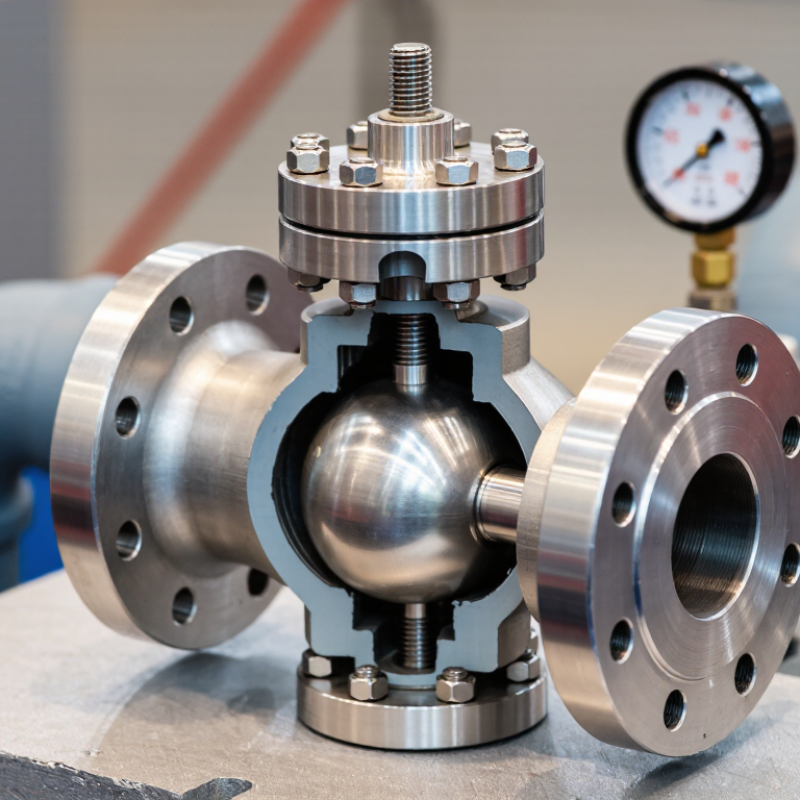
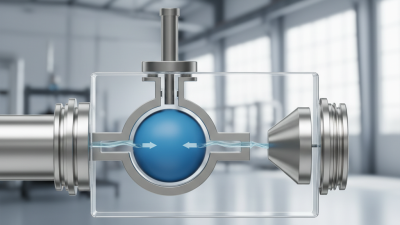
A floating ball check valve uses a loose, buoyant or pressure-responsive ball as its closing element. Forward flow lifts the ball away from its seat, letting fluid pass. When flow slows or reverses, the ball returns to the seat and helps limit backflow. No stem or actuator moves the ball; the fluid does the work. That motion matters. The term can be confusing, since “floating ball” also describes a different valve design. Here, the key feature is a ball that moves freely inside the check-valve body.
The ball, seat, and body shape determine sealing and flow behavior. A resilient ball may suit some slurry services, while a harder ball can resist wear in other conditions. But there is no universal best choice. Orientation, pressure drop, fluid cleanliness, and maintenance access all matter. The U.S. EPA’s 2023 Drinking Water Infrastructure Needs Survey and Assessment estimates $625 billion in drinking-water infrastructure needs over 20 years. That figure is not valve-specific, but it shows why dependable flow-control components deserve careful selection.
Tips: Check the manufacturer’s flow and pressure data against your actual operating range. Confirm whether the valve supports your installation orientation, and ask how the ball and seat handle suspended solids. A bench test is useful, but field conditions can differ. Don’t assume a quiet valve is a leak-free valve.
How the Valve Opens, Closes, and Prevents Reverse Flow
A floating-ball check valve opens when forward-flow pressure pushes its ball away from the seat. Fluid passes through the open gap. When flow slows or reverses, the ball moves back and seals against the seat, helping prevent backflow. That movement is simple. But timing matters: a delayed closure can allow a short reverse surge, while a poorly matched valve may restrict flow or wear unevenly. Actual performance depends on valve orientation, fluid properties, operating pressure, and the manufacturer’s tested specifications.
The U.S. Department of Energy’s Improving Pumping System Performance sourcebook reports that pumping systems use nearly 20% of global electricity demand. That figure describes pumping systems, not check valves alone. Still, it shows why reducing avoidable system losses matters. Select a valve for the line’s flow rate and pressure range, and check its pressure-drop data. For dirty or particle-laden fluids, confirm that the ball and seat can tolerate the service; small debris can interfere with sealing.
Tip: During commissioning, listen for repeated knocking and inspect for leakage after shutdown. These signs may suggest closure shock, debris, or an unsuitable installation. A quick check is useful, but it does not replace operating data.
What Is the Best Floating Ball Check Valve in 2026?
Which Specifications Matter When Comparing Valves in 2026?
The best floating ball check valve is the one matched to the actual fluid, flow, and installation—not simply the highest-rated model. Compare body and ball materials against fluid chemistry, temperature, and solids. Check the pressure-temperature rating using the material class and ASME B16.34, rather than comparing pressure figures alone. Also confirm connection type, installation orientation, and whether the valve’s cracking pressure suits the pump or gravity-driven system. Small details matter. A valve that opens late can restrict flow; one that closes poorly may allow reverse flow and pipe shock.
Flow capacity deserves close attention. Ask for the flow coefficient or a pressure-drop curve at your expected operating rate, not just the port size. The U.S. Department of Energy’s Improving Pumping System Performance guide reports that pumping systems can consume 20–50% of electricity in some industrial facilities. That range is broad, but it shows why avoidable resistance deserves scrutiny. For leakage and pressure testing, compare the supplier’s stated procedure with applicable requirements such as API 598 or ISO 5208. Test conditions and acceptance criteria should be explicit.
Tips: Request documented cracking pressure, test results, and material traceability. Check the operating point against your real flow data; catalogue figures can mislead. I would also verify service history in a similar installation. On paper, the choice may look obvious. In the field, fluid debris and mounting position can change the result.
There is no single best valve for every system. Compare the valve’s materials, pressure and temperature limits, flow conditions, installation requirements, and verified test data against the actual service conditions.
| Comparison factor | Typical options or data to compare | Why it matters when selecting |
|---|---|---|
| Valve size and connection | Match the specified nominal pipe size and connection type, such as flanged, threaded, or other design-approved ends. Confirm the applicable dimensional standard. | Nominal size alone does not confirm that face-to-face dimensions, flange drilling, or end connections will fit the piping system. |
| Pressure rating | Check the published pressure class or PN rating and the pressure-temperature rating for the selected body and trim materials. PN and ASME Class designations are not direct equivalents. | The allowable working pressure can change with temperature, material, size, and design. Verify the rating against maximum operating and surge pressures. |
| Body material | Common choices include cast iron, ductile iron, carbon steel, and stainless steel; suitability depends on the fluid, pressure, temperature, and environment. | Check corrosion compatibility and mechanical requirements for the complete service—not just the valve body. Linings or coatings may also affect suitability. |
| Ball material and construction | The ball may be metal or elastomer-covered, depending on the valve design. Compare its material, surface, mass, and compatibility with the conveyed fluid. | Ball design affects sealing, wear, movement, and resistance to deposits. Confirm that the ball is intended for the fluid’s solids content and chemistry. |
| Seat and seal | Compare seat or liner material, sealing arrangement, and documented leakage or closure-test results. | Elastomer compatibility and temperature limits vary by compound. Do not assume a “soft-seated” valve provides zero leakage without supporting test data. |
| Flow and pressure loss | Compare the published flow coefficient (where provided), pressure-drop data, and permitted flow direction and velocity. | Pressure loss depends on valve geometry and flow conditions. Use manufacturer data at the expected operating flow rather than relying on nominal size alone. |
| Cracking pressure and closure | Request the opening differential pressure, if specified, and information on how the ball returns to the seat. Designs may rely on gravity, backflow, or a spring. | The required differential and installation orientation affect whether the valve opens reliably and closes as intended. Values are design-specific, not universal. |
| Installation orientation | Confirm permitted horizontal or vertical installation and any required flow direction, access clearance, or straight-pipe conditions. | A ball check valve’s operation can depend on gravity and internal geometry. Follow the specific installation instructions for the selected design. |
| Solids and wastewater service | Check the manufacturer’s stated solids-handling capability, ball and passage dimensions, and suitability for suspended solids or viscous fluids. | A ball check valve may suit some wastewater duties, but fibers, large debris, sediment, or deposits can obstruct movement or sealing. |
| Temperature limits | Compare the documented minimum and maximum operating temperatures for the complete valve, including body, ball, seat, and any lining. | The least temperature-resistant component can limit the assembly. Confirm that the rating applies at the intended pressure and fluid conditions. |
| Testing and documentation | Review material details, pressure and leakage test documentation, applicable standards, and traceability requirements. ISO 5208 addresses pressure testing of industrial valves; confirm the stated edition and applicability. | Standards and test results should be verified for the exact valve design and order. A standard reference alone does not establish suitability for every service. |
| Maintenance and lifecycle | Compare inspection access, replaceable wear parts, cleaning requirements, spare-part availability, and recommended maintenance intervals. | For abrasive, fouling, or high-cycle service, ease of inspection and replacement can matter as much as initial purchase price. |
Selection note: All ratings and material options are design-specific. Verify current technical documents and confirm pressure, temperature, fluid compatibility, flow, and installation conditions before specifying a valve.
How to Match Valve Materials and Ratings to the Application
The best floating ball check valve is the one suited to your fluid, pressure, temperature, and installation. A ball that seals well in clean water may behave differently in a line carrying grit or viscous liquid. Check the body, ball, and seat materials against the fluid’s chemical properties. Stainless steel may suit some corrosive services, while other applications need different alloys or nonmetallic seats. Verify the specified pressure and temperature limits in the product data, including any reductions at higher temperatures. A published rating alone does not confirm suitability for every operating condition.
Tips: Check the expected flow direction and mounting orientation. Confirm the valve’s pressure drop fits the system. Ask whether solids could lodge between the ball and seat. Small details matter.
Also consider startup and shutdown conditions. Sudden flow changes can create pressure surges that exceed normal operating pressure. Select a rating with those conditions in mind, and confirm the connection size and end type match the pipework. If the fluid composition or operating range changes, review the selection again. It is easy to overfocus on body material and overlook the seat; that deserves a second look. Use the manufacturer’s technical documentation, and consult a qualified valve specialist when compatibility is uncertain.
A floating ball check valve earns its place through dependable closure, not a low purchase price alone. Compare the valve’s rated pressure and temperature with the actual operating range, including startup surges. Check that the ball and seat materials suit the fluid and resist expected wear. Small mismatches matter. A valve that closes slowly may allow backflow, while an overly restrictive design can increase pressure loss.
Maintenance deserves equal attention. Review whether the valve can be inspected without removing nearby pipework, and ask how the ball, seat, and seals are replaced. Clear service instructions and available replacement parts can reduce downtime. Keep an eye on leakage, unusual vibration, and changes in flow during routine checks. One limitation is easy to overlook: inspection intervals depend on fluid cleanliness and operating cycles, so a generic schedule may not fit every installation.
Compare total operating costs over the expected service life. Include installation access, energy used to overcome pressure loss, scheduled inspections, replacement parts, and the cost of an unplanned shutdown. A cheaper valve may cost more if it needs frequent attention. Conversely, a premium design is not automatically better. The strongest choice is the one supported by suitable technical data and a realistic maintenance plan. I would still verify performance against the actual system; catalog figures alone leave room for doubt.
Compare Reliability, Maintenance, and Operating Costs
This chart compares the number of primary closure members in common check-valve designs: a ball in a ball check valve, a disc in swing and lift check valves, and two plates in a dual-plate check valve. It is a structural comparison—not a reliability or cost rating. Actual maintenance needs and operating costs depend on valve sizing, materials, fluid, pressure, installation, and service conditions.