
How to Choose a Ball Valve With Check Valve?
Selecting a ball valve with check valve requires more than matching pipe size. The assembly must control flow, prevent reverse movement, and withstand the system’s real operating conditions. A compact body may look ideal on a crowded skid, yet limited clearance can complicate inspection or replacement. Practical selection begins with the fluid, pressure, temperature, flow direction, and connection method.
Material compatibility deserves careful attention. Stainless steel may suit corrosive water, while brass or carbon steel can serve less demanding applications. However, fluid chemistry, suspended particles, and cleaning procedures can change that decision. Seat materials also matter because seals exposed to heat or aggressive media may harden, swell, or lose their sealing ability. Small details matter.
The check valve mechanism should close reliably without creating excessive pressure loss. Spring-loaded designs often respond quickly, while other designs may require a stable flow profile. Consider installation orientation, minimum flow, cracking pressure, and possible water hammer. A supplier’s pressure rating is useful, but it should match the complete assembly, not only the ball valve body. Independent testing, traceable materials, clear drawings, and accessible technical support strengthen confidence in the purchase.
A neat catalog table can still mislead. Real systems rarely operate at one perfect pressure or temperature. Reviewing start-up, shutdown, maintenance, and emergency conditions provides a more realistic basis for comparison. This guide explains how to evaluate construction, performance, certification, sizing, and lifecycle cost before choosing a ball valve with check valve for dependable service.
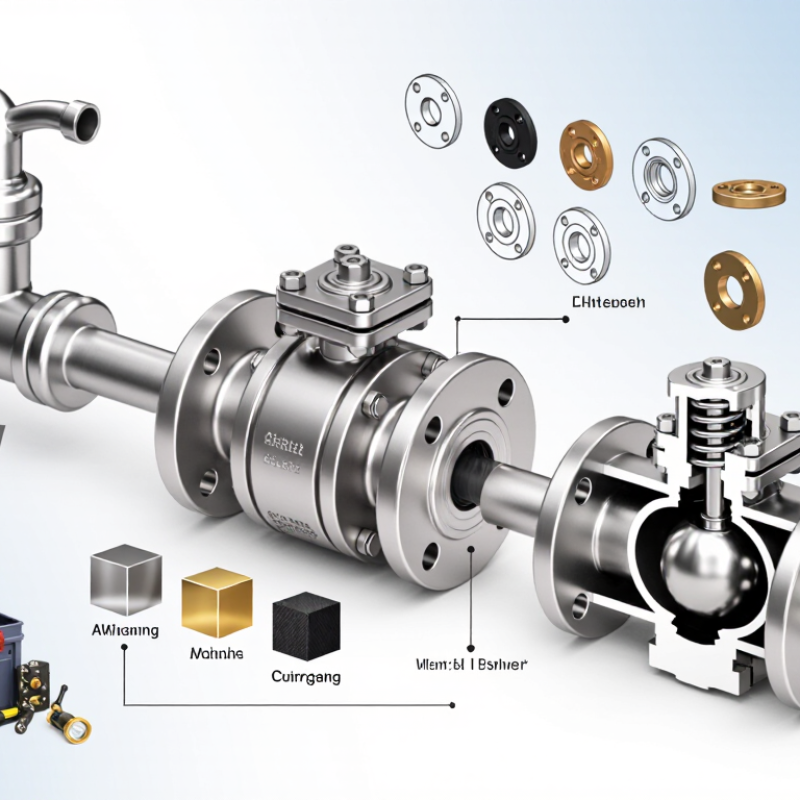
Define the Function and Operating Conditions of a Ball Valve With Check Valve
How to Choose a Ball Valve With Check Valve?
Define the Function and Operating Conditions of a Ball Valve With Check Valve
Start with the medium. A ball valve provides shutoff, while the check valve limits reverse flow. Confirm whether the line carries water, oil, air, chemicals, or abrasive slurry. Each medium affects seal material, body alloy, and cleaning requirements. According to the U.S. Department of Energy, compressed-air leaks can waste 20–30% of compressor output. A reliable check valve can reduce one backflow risk, but it cannot repair poor joints or leaking equipment.
Record pressure, temperature, flow direction, and operating frequency at the installation point. Check the valve’s maximum working pressure, temperature range, flow coefficient, and cracking pressure. A spring-loaded check valve may need higher differential pressure than expected. That detail can reduce flow. It may also increase pump energy use. In liquid systems, rapid closure can create water hammer, especially in long pipelines. The Hydraulic Institute identifies transient control as a key concern in pump systems, yet many basic selections ignore it.
Match the valve size to the actual flow, not only the pipe diameter. Oversizing may cause unstable operation, while undersizing increases pressure loss. Select a full-port design when low resistance matters. Choose compatible seals after reviewing chemical concentration and temperature changes. API 598 and ISO 5208 provide recognized pressure-test practices, but field conditions still decide performance. I would not treat a catalog rating as a complete answer. Test the assembled valve under realistic pressure and flow conditions. Small assumptions can become expensive failures.
Related Posts
-
China Best Ball Check Valve Suppliers for Your Procurement Needs?
-

China Top 10 Ball Check Valve Manufacturers?
-
Top 10 Ball Check Valves for Ultimate Performance and Reliability?
-
2026 How to Choose the Right Ball Check Valve for Your Needs?
-
2026 Best Carbon Steel Ball Valve Reviews and Buying Guide?
-
2026 How to Choose and Use a Trunnion Valve Effectively?