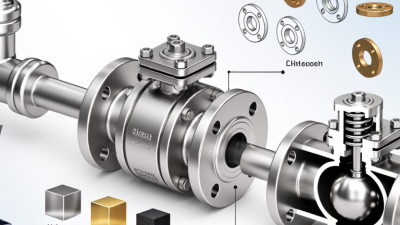
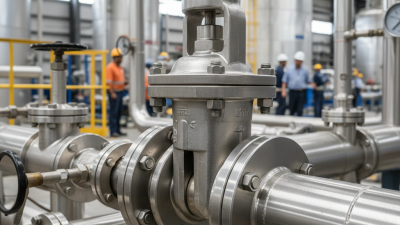
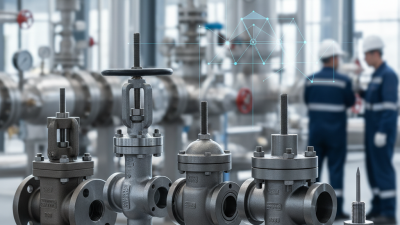
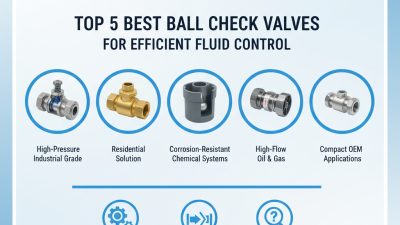
Choosing among top ball valve with check valve suppliers requires more than comparing catalog prices. These combination valves must control flow, limit reverse movement, and perform reliably under pressure. A suitable supplier should provide clear specifications, traceable materials, pressure ratings, and documented testing. Product drawings also matter. A small detail, such as the valve’s face-to-face dimension, can affect installation time.
Experienced buyers usually examine the supplier’s manufacturing process, inspection records, and application knowledge. Ask whether the valve body matches the service medium, temperature, and pressure range. Confirm the seal material, connection standard, flow direction, and maintenance requirements. For water systems, chemical lines, heating equipment, and industrial processing, the correct design may differ significantly. One valve rarely fits every condition.
Evidence matters. Look for factory quality procedures, batch traceability, third-party certifications, and practical references from comparable projects. A responsive technical team can help identify risks before shipment. However, supplier websites may present incomplete information. That deserves careful review. Request samples, test reports, and a written warranty before making a large purchase. Site conditions can also expose weaknesses that laboratory testing misses, including vibration, dirty media, and frequent cycling.
The best supplier is not always the cheapest. It is the partner that explains limitations honestly and supports consistent performance after delivery. Buyers should compare total ownership cost, not only the initial quotation. A reliable ball valve with check valve should fit the system, meet recognized requirements, and remain serviceable when conditions become less than ideal.
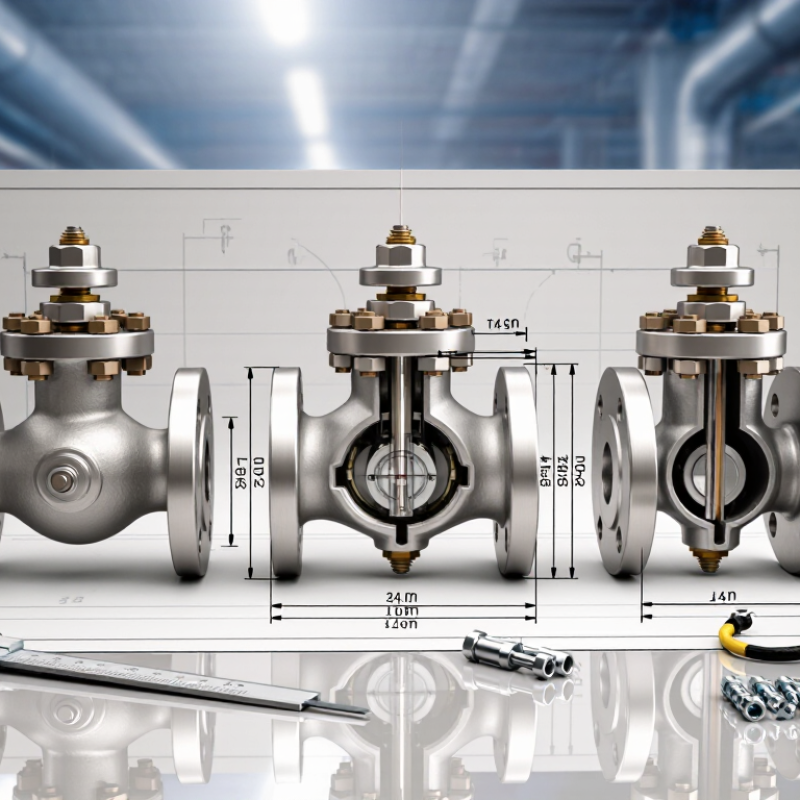
A ball valve with a check valve combines two flow-control functions in one compact assembly. The ball valve provides positive shutoff through a quarter-turn handle. The check valve uses a spring-loaded disc or floating ball to stop reverse flow automatically. When upstream pressure rises, the internal element opens. When pressure falls, it closes quickly. Simple in theory. Installation details still matter.
This design suits water treatment, pumps, compressed-air lines, and process piping. According to Grand View Research’s 2024 Industrial Valves Market report, the global market was valued at about USD 79 billion in 2023 and is expected to grow steadily through 2030. That growth reflects demand for safer, more efficient flow systems. However, a combined valve cannot correct poor pipe sizing or unstable pump pressure. I have seen specifications focus on price while ignoring cracking pressure. That is a costly oversight.
Tips: Check the flow arrow before installation. Confirm pressure, temperature, connection size, and fluid compatibility. Select a low-cracking-pressure check mechanism for weak pumping systems. Test for backflow after commissioning. Industry guidance from the Hydraulic Institute stresses that proper valve selection and system testing help reduce pump damage and hydraulic instability. Still, field conditions can differ from calculations. Recheck the valve after vibration, maintenance, or a noticeable pressure change.
Selecting top ball valve with check valve suppliers requires more than comparing catalog prices. A 2024 MarketsandMarkets report valued the global industrial valves market at over USD 80 billion, with energy, water, and chemical projects driving demand. That scale creates many suppliers, but capability varies sharply. Experienced buyers should examine design control, material traceability, pressure ratings, and documented field performance.
Ask whether the supplier follows API 6D, ASME B16.34, and ISO 5208 where applicable. The check mechanism should close without damaging the ball or creating excessive pressure loss. Request test records for shell pressure, seat leakage, torque, and reverse-flow protection. I prefer suppliers that provide heat numbers, inspection plans, calibration records, and clear acceptance criteria. Small details matter.
Material selection must match the medium, temperature, and corrosion risk. For sour service, review compliance with NACE MR0175/ISO 15156. For water systems, ask about coating adhesion and disinfectant resistance. A 2023 Grand View Research report identified infrastructure investment as a major valve-market growth factor, but market growth does not prove supplier reliability. Some vendors present impressive certificates while offering weak technical support. That deserves scrutiny. Check manufacturing capacity, spare-part availability, response times, and warranty terms. Factory audits and independent witness testing add confidence, although they increase project cost. Supplier evaluation is not perfectly objective; delivery history and honest communication often reveal more than polished brochures.
Top Ball Valve With Check Valve Suppliers?
The strongest suppliers usually fall into four groups: valve manufacturers, industrial distributors, engineering integrators, and custom fabrication specialists. Manufacturers often provide forged or cast ball valves with integrated check functions. They can control material selection, machining, pressure ratings, and factory testing. Distributors offer wider inventories and faster delivery. Their technical support may vary.
Engineering integrators are useful for demanding systems. They can match valve assemblies with pumps, pipelines, actuators, and control panels. Their product capability often includes flow calculations, installation drawings, and commissioning support. Custom fabricators handle unusual dimensions, connection standards, or aggressive media. Confirm their welding procedures and inspection records.
Look beyond catalog pages. Ask for pressure-temperature charts, leakage test results, material certificates, and traceability documents. A reliable supplier should explain how the check mechanism prevents reverse flow. It should also clarify whether the design supports horizontal or vertical installation. This detail matters.
Real experience exposes gaps. Some suppliers advertise broad capabilities but outsource critical testing. That is not automatically a problem. However, responsibility must remain clear. Check lead times, spare-part access, repair guidance, and warranty terms. Request a sample inspection report before placing a large order. Also review previous project references, especially where cycling, vibration, or corrosive fluids were involved. The cheapest quotation can become expensive after installation.
| Supplier Type | Typical Product Configuration | Common Size Range | Pressure and Temperature Capability | Available Materials | Customization Capability | Best-Fit Applications |
|---|---|---|---|---|---|---|
| Industrial Valve Manufacturer | Two-piece or three-piece ball valve with an integrated or inline check-valve section | Typically DN15–DN300 (½–12 in.) | Commonly ASME Class 150–600; temperature depends on body, seat, and seal materials | Carbon steel, stainless steel, ductile iron, forged steel, PTFE, reinforced PTFE, and metal seats | High; can support bore design, actuator mounting, end connections, coatings, and special trims | Oil and gas, chemical processing, water treatment, power, and general process lines |
| OEM and Contract Manufacturer | Private-label or customer-designed ball-check valve assemblies produced to drawings or specifications | Typically DN8–DN200 (¼–8 in.) | Often available from vacuum service to approximately Class 300, subject to design validation | Brass, bronze, stainless steel, carbon steel, engineering plastics, elastomers, and PTFE-based seats | Very high; suitable for custom ports, cracking pressure, markings, packaging, and assembly requirements | Original equipment, packaged skids, compressors, pumps, HVAC, and specialized machinery |
| Engineered Valve Package Supplier | Ball valve with check valve, actuator, solenoid, position switch, filter, regulator, or control accessories | Typically DN25–DN600 (1–24 in.) | Usually specified to project pressure classes and operating temperatures; certification depends on the package | Carbon steel, stainless steel, alloy steel, duplex stainless steel, PTFE, graphite, and fire-safe seal systems | High; provides sizing, valve selection, actuation, instrumentation, testing, and documentation | Process plants, pipelines, terminals, utilities, water infrastructure, and modular systems |
| Regional Valve Distributor | Stocked standard ball valves and separate check valves, with selected combination assemblies | Typically DN15–DN300 (½–12 in.) | Commonly PN10–PN40 or ASME Class 150–300, depending on inventory | Brass, bronze, stainless steel, ductile iron, carbon steel, PTFE, and EPDM | Moderate; can provide cutting, threading, assembly, actuation, and replacement selection | Water systems, commercial plumbing, heating and cooling, irrigation, and plant maintenance |
| MRO and Industrial Supply Distributor | Standard threaded, socket-weld, flanged, or wafer-style components for replacement and maintenance | Typically DN8–DN150 (¼–6 in.) | Generally low to medium pressure service with published temperature limits | Brass, bronze, stainless steel, carbon steel, PVC, CPVC, PTFE, and common elastomers | Low to moderate; strongest in fast replacement, compatibility checks, and kitting | Factories, workshops, building services, compressed air, and utility maintenance |
| Sanitary and Process Equipment Supplier | Hygienic ball valve and check-valve assemblies with clamp, weld, or sanitary threaded connections | Typically DN15–DN150 (½–6 in.) | Commonly designed for moderate pressure and elevated cleaning temperatures, subject to seal selection | 316L stainless steel, sanitary elastomers, PTFE, EPDM, silicone, and FDA-compliant sealing materials | Moderate to high; supports surface finishes, drainability, clean-in-place, and hygienic documentation | Food and beverage, pharmaceutical, biotechnology, cosmetics, and clean-process systems |
| Project and EPC Procurement Supplier | Multi-standard valve supply with technical submittals, inspection plans, testing records, and traceability | Project-dependent; commonly DN25–DN900 (1–36 in.) | Selected according to line class, design pressure, design temperature, and applicable piping code | Carbon steel, stainless steel, alloy steel, duplex, nickel alloys, PTFE, graphite, and engineered polymers | High at the project level; manages standards, inspection, certification, logistics, and vendor coordination | Large infrastructure, energy, chemical, desalination, pipeline, and utility projects |
Note: The ranges shown are typical market capabilities. Actual pressure, temperature, size, material, certification, and lead-time limits must be confirmed against the supplier’s current technical datasheet and applicable standards.
When comparing top ball valve with check valve suppliers, inspect more than polished photographs. Ask for material certificates, pressure-test records, and clear drawings. A reliable supplier should identify body, seat, stem, and check-valve materials. Traceability matters when valves enter high-pressure service. Request hydrostatic and seat-leakage results for the exact model, not a generic sample.
Certifications need careful checking. ISO 9001 shows process control, but it does not prove valve performance. Depending on the project, review API, ASME, PED, or other applicable compliance documents. Confirm certificate scope, issuing body, and validity dates. Independent inspection can strengthen confidence. I once saw a low quotation exclude inspection fees and final documentation. It was not truly cheaper.
Compare pricing on a landed-cost sheet. Include testing, coatings, certificates, packaging, freight, and spare parts. Ask whether the quoted check valve matches the required flow direction and pressure class. Lead time should include engineering approval, raw-material availability, machining, assembly, testing, and document review. Get each milestone in writing. Very short lead times deserve questions. A supplier may promise shipment quickly, yet delay one unavailable actuator or special alloy. Allow a practical buffer. Also review warranty terms, replacement procedures, and technical response times. A responsive engineer can prevent an expensive installation mistake. Truthfully, no checklist removes every risk. It only makes hidden weaknesses easier to see.
Selecting the right supplier starts with the application, not the catalog. A valve for clean water may fail in abrasive slurry service. Ask about the medium, operating pressure, temperature, flow direction, and cycling frequency. Small details matter. I have seen projects delayed because the connection size matched, but the pressure class did not. Confirm body material, seat compatibility, sealing method, and corrosion resistance before requesting a quotation.
Market conditions also influence supplier selection. A local distributor may offer faster delivery and easier technical support. An overseas manufacturer may provide wider customization and lower unit costs. The cheaper option is not always cheaper. Compare testing procedures, documentation, spare-part access, warranty terms, and realistic lead times. Request material certificates, pressure-test records, dimensional drawings, and sample approval where practical. Suppliers should explain how each valve is inspected before shipment, rather than offering vague assurances.
Experienced buyers should evaluate communication as carefully as product specifications. Can the supplier answer technical questions clearly? Does the team understand local standards and installation practices? A reliable supplier will identify an unsuitable design, even when it risks losing an order. That matters. I would also check references from applications with similar media and pressure conditions. No supplier gets every detail right. The important question is whether problems are reported early, documented honestly, and corrected with practical engineering support. Supplier performance should be reviewed after installation, because field feedback often reveals weaknesses that drawings cannot show.