2026 Best Stainless Steel Ball Valves for Global Buyers?
In the competitive landscape of industrial components, stainless steel ball valves play a crucial role. They are essential for ensuring fluid control in various applications, ranging from manufacturing to oil and gas. According to a report by MarketsandMarkets, the global stainless steel valve market is projected to reach $38 billion by 2026. This growth highlights the increasing demand for durable and reliable valve solutions.
Industry expert Dr. Michael Harrington, a leading figure in valve technology, states, “Investing in high-quality stainless steel ball valves is not just a choice; it is a necessity for efficiency.” His insights underline the importance of procuring quality valves designed for longevity and performance. Yet, amidst the advancements, buyers often face challenges in selecting the right product that meets their operational needs.
The complexity of the market can be overwhelming. Many buyers overlook critical specifications, leading to inefficiencies. Additionally, some manufacturers may not meet industry standards, impacting overall performance. As the market evolves, it becomes vital for global buyers to remain informed and select the best stainless steel ball valves available.
Top Features to Consider in Stainless Steel Ball Valves
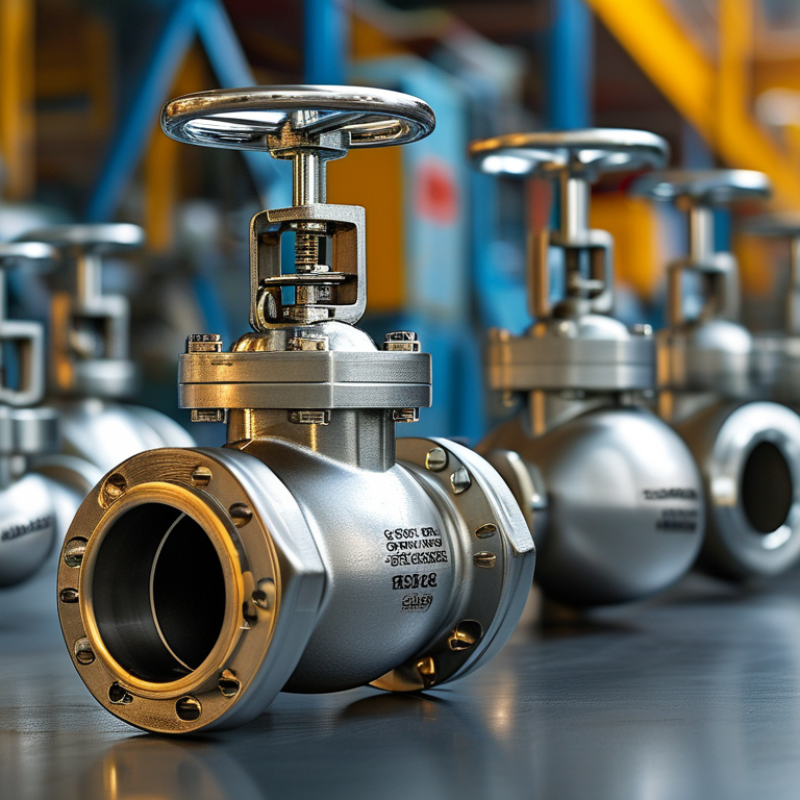
When choosing stainless steel ball valves, several top features deserve attention. Durability is critical. A high-quality stainless steel construction ensures resistance to corrosion and wear. Look for valves with a low friction coefficient, as this improves their lifespan. A smooth operation means fewer maintenance needs.
Another vital aspect is the valve's pressure rating. Ensure it meets the requirements of your specific application. Valves with higher ratings can handle more demanding situations. Additionally, consider the size and type of connections. Proper fittings enhance compatibility with your existing systems and prevent leaks.
Lastly, think about the ease of use. User-friendly designs, such as lever-operated valves, simplify operation. However, some designs may require frequent adjustment. Regular inspection and maintenance are essential, even for top models. A little wear can lead to significant issues over time. Evaluate your needs carefully to make the best choice.
Comparison of Different Types of Stainless Steel Used in Valves
When selecting stainless steel ball valves, it's crucial to understand the types of stainless steel used. The common grades include 304, 316, and 321, each with unique benefits.
Type 304 stainless steel is widely used due to its excellent corrosion resistance and good formability. However, it might not withstand harsh chemical environments. In comparison, 316 stainless steel is more resistant to chlorides and acidic conditions, making it ideal for marine applications. Lastly, 321 stainless steel offers superior resistance to high temperatures, which can be critical in specific industrial settings.
Tips: Check the environmental conditions before choosing the valve material. The right grade can prolong service life and reduce maintenance costs.
Choosing the right stainless steel is not always straightforward. Manufacturers may not clearly specify which grade they use. Be sure to ask for certifications to ensure quality. Additionally, consider the operating pressure and temperature of your application. These factors will affect the material's performance and longevity under stress.
Tips: Always review the manufacturer's literature. It can provide insights into their quality control measures and material specifications. This knowledge is crucial for making informed decisions.
2026 Best Stainless Steel Ball Valves for Global Buyers
| Valve Type |
Material |
Temperature Range (°F) |
Pressure Rating (psi) |
Applications |
| Floating Ball Valve |
Austenitic Stainless Steel (SS304) |
-30 to 180 |
150 |
Water, Oil, Gas |
| Trunnion Ball Valve |
Duplex Stainless Steel |
-50 to 300 |
600 |
Oil & Gas, Petrochemical |
| Full Bore Ball Valve |
Martensitic Stainless Steel |
-40 to 250 |
300 |
Water, Steam |
| API 6D Ball Valve |
Stainless Steel (SS316) |
-20 to 200 |
1500 |
Pipeline Applications |
Market Trends and Innovations in Stainless Steel Ball Valves
The stainless steel ball valve market is evolving rapidly. Innovations are driving efficiency and durability in designs. Manufacturers focus on more sustainable materials. This aligns with global trends toward eco-friendliness. The demand for corrosion-resistant features is increasing.
Recent advancements in technology are noteworthy. Automated systems are becoming standard. They improve valve performance and reduce manual labor. Smart valves with IoT connectivity are gaining traction. This allows real-time monitoring and control. Buyers are looking for these features.
However, challenges remain for manufacturers. Keeping costs manageable while innovating is tough. Balancing quality and price can lead to trade-offs. Buyers must consider their specific needs carefully. Not all innovations may suit every application. Thoughtful evaluation is essential for making the right choice.
Global Market Trends in Stainless Steel Ball Valves (2026)
Leading Manufacturers of Stainless Steel Ball Valves in 2026
In 2026, the demand for stainless steel ball valves continues to grow globally. These valves are crucial for controlling fluid flow in various industries, including oil, gas, and water treatment. Leading manufacturers focus on innovation and quality, ensuring long-lasting and reliable products.
One key aspect is material selection. Stainless steel offers resistance to corrosion, making it ideal for demanding environments. Choosing the right grade of stainless steel can significantly affect performance and lifespan. Some manufacturers are investing in research to improve these materials further.
Tip: Always verify the certification and standards of the valves you consider. This can ensure that they meet safety and quality requirements. Additionally, look for companies with extensive experience in valve manufacturing. Their expertise can help you choose the right product for your application.
Another point to consider is customization. Many manufacturers provide options tailored to specific industry needs. This customization can enhance efficiency but may come at a cost. Evaluate whether the benefits outweigh the price increase.
Tip: Conduct field tests when possible. This practice helps to assess a valve's performance in real-world conditions. Engaging with suppliers about performance data can also be helpful. Trusted manufacturers are usually willing to share this information.
Tips for Global Buyers When Selecting Ball Valves
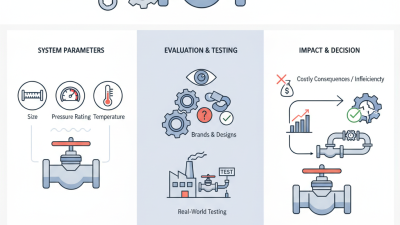
Choosing the right stainless steel ball valves can be daunting for global buyers. Focus on materials used in manufacturing. High-quality stainless steel should offer durability and resistance to corrosion. Checking the certification and standard compliance is crucial. Look for valves that meet industry standards to ensure reliability.
When evaluating suppliers, prioritize those with a strong reputation. Verify their experience and expertise in the valve market. Customer reviews can provide insight into product performance and service quality. Pay attention to delivery times and customer support. Delays can lead to project setbacks.
Cost is always a consideration, but don’t compromise on quality. It’s easy to get lured by lower prices. However, this might lead to poor performance and frequent replacements. Reflect on the long-term value of investing in reliable valves. Proper research can save money and hassle in the long run.