Blogs | Steelstrong Valves

How to Select the Right Valve for Your Needs?

Selecting the right valve for your system is crucial. The valve type you choose significantly affects efficiency, safety, and maintenance. According to a recent industry report by the Fluid Control Institute, choosing the proper valve can reduce operational costs by up to 20%. This highlights the importance of informed decisions in valve selection.

Industry expert Dr. Mark Thompson, a leading authority on through valves, emphasizes, "Selecting the right valve is not just about the specs; it’s about understanding your system’s real needs." This statement underscores the complex relationship between valve design and operational requirements. With various types on the market, the choice can be overwhelming.

An informed approach requires considering fluid type, pressure, and temperature. There are also challenges to navigate, such as compatibility and potential wear over time. Engaging with knowledgeable suppliers and conducting thorough research can lead to better long-term performance. Customer feedback often reveals dissatisfaction when the wrong valve is selected, emphasizing the need for reflection on industry practices.
How to Select the Right Valve for Your Needs?

Understanding Different Types of Valves and Their Functions

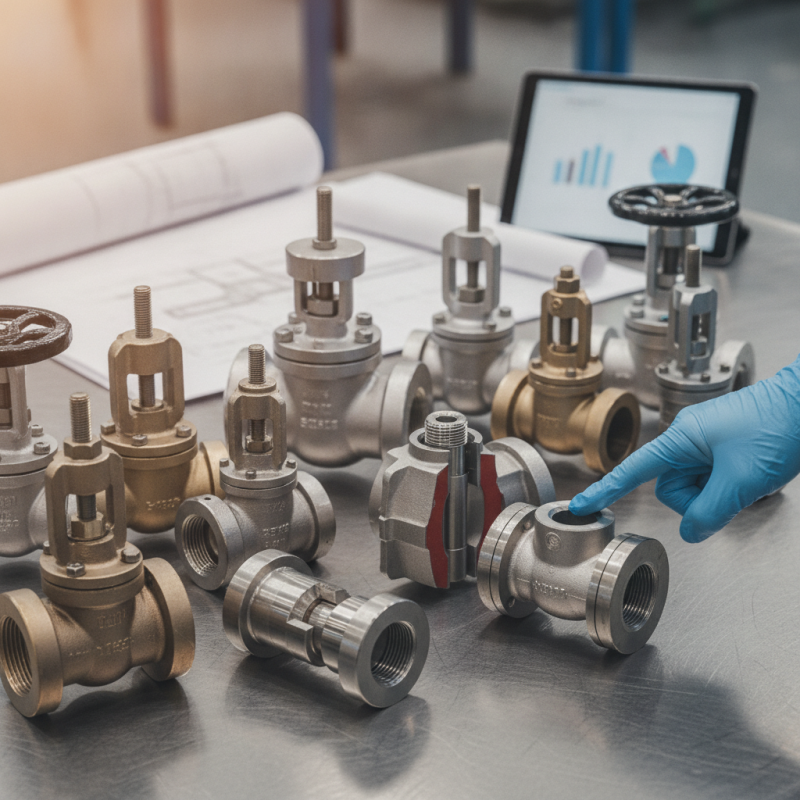
Selecting the right valve can be challenging. There are many types of valves, each designed for specific applications. Understanding their functions is crucial. For instance, gate valves are commonly used for on/off control. They offer low resistance but are not suitable for throttling. According to industry data, around 30% of flow control issues can be traced back to improper valve selection.

Another common type is the globe valve. This valve excels at regulating flow. Its design allows for more precise control, making it ideal for applications requiring consistent flow rates. However, it typically has higher pressure drops. A recent report by the Flow Control Institute noted that over 25% of industries overlook the need for flow regulation, leading to operational inefficiencies.

Ball valves are renowned for their quick operation. They provide a reliable sealing mechanism, essential in many industrial applications. Yet, using them in throttling situations can cause damage. Experts emphasize the importance of matching valve types to system requirements. Misalignments here might lead not only to inefficiencies but also to potential system failures.

How to Select the Right Valve for Your Needs?

Valve Type Function Typical Applications Advantages Disadvantages
Gate Valve On/off control Water supply, oil, gas pipelines Minimal pressure drop, good sealing Slow operation, not suitable for throttling
Ball Valve On/off control Water systems, chemical processing Quick operation, low torque, good sealing Not suitable for flow regulation
Butterfly Valve Flow regulation Pumping stations, municipal water supply Compact design, lightweight Possible leakage, limited sealing capability
Check Valve Prevents backflow Pump systems, water treatment Automatic operation, prevents damage Can be noisy, may cause pressure drop
Solenoid Valve Automatic control of fluid flow Automated systems, irrigation Remote operation, quick response time Dependent on electrical power, limited pressure ratings

Identifying Your System Requirements for Valve Selection

How to Select the Right Valve for Your Needs?

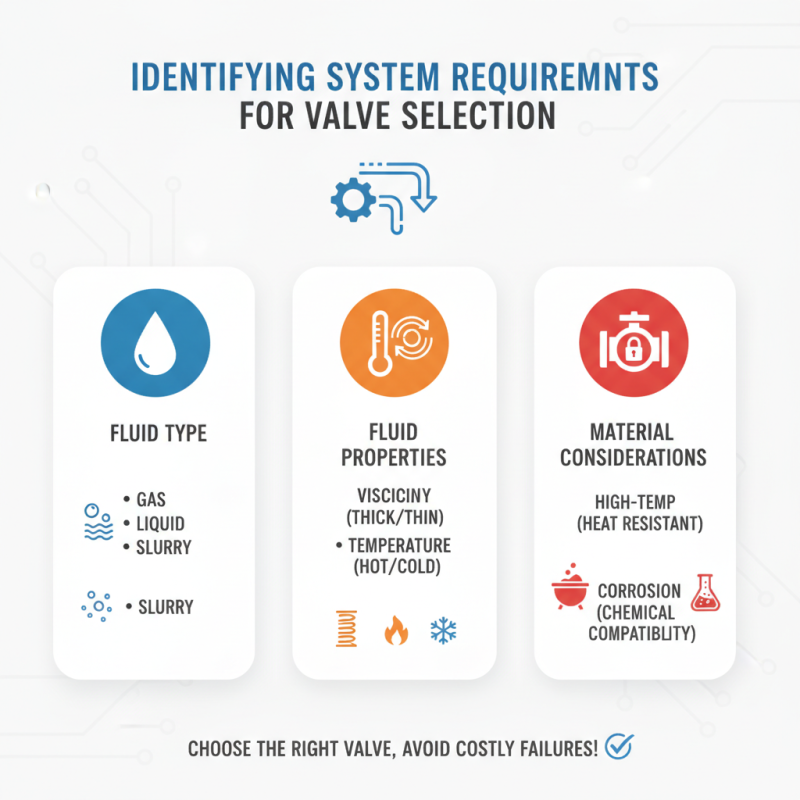
Selecting the right valve starts with understanding your system requirements. Consider the type of fluid that will pass through the valve. Is it gas, liquid, or a slurry? The viscosity and temperature of the fluid significantly impact your valve choice. High-temperature systems may require materials that withstand heat without degrading.

Next, analyze the pressure conditions. What is the maximum pressure your system can handle? Ensure your selected valve meets or exceeds this requirement. Also, consider the flow rate. Different applications need different flow capacities. An underperforming valve can lead to inefficiencies and even system failures.

Don’t forget about the operating environment. Is it corrosive? Will it be exposed to extreme temperatures? These factors influence materials and design. You might find that a certain valve works well in theory but fails in practice due to unforeseen environmental factors. Regular reassessment of your needs is crucial. It helps ensure that your chosen valve remains effective. Prioritizing these aspects will guide you in making an informed selection.

Evaluating Material Compatibility for Valve Durability

How to Select the Right Valve for Your Needs?

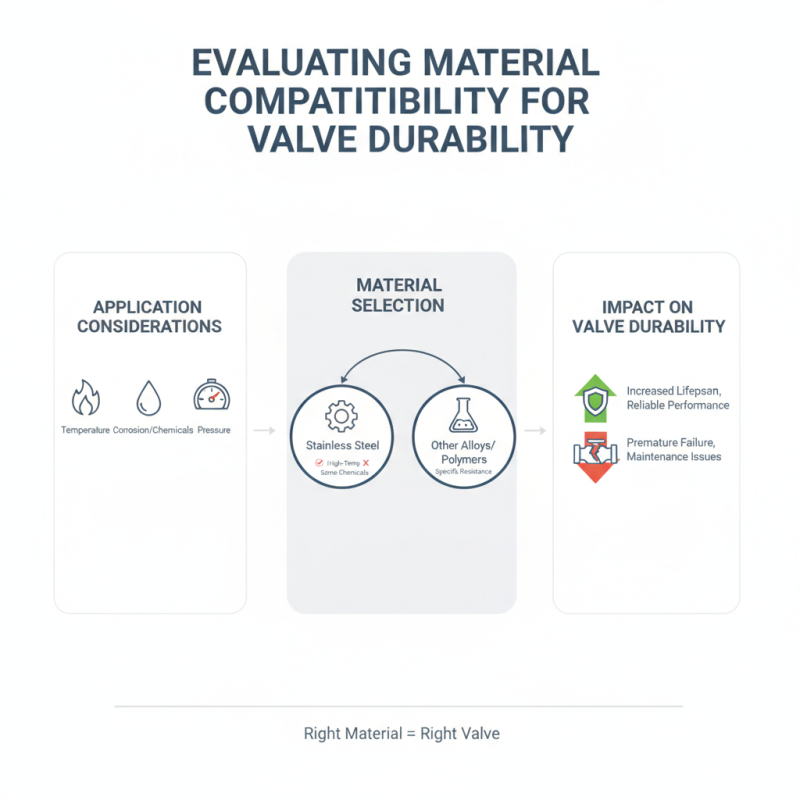
Selecting the right valve is crucial for both performance and longevity. The material compatibility of the valve directly impacts its durability. Different materials offer varying resistances to corrosion, temperature, and pressure. A valve made of stainless steel may work well in a high-temperature environment, but it is not ideal for all chemicals. Understanding the application can prevent future issues.

Think about the fluids your system will handle. Is it corrosive, abrasive, or viscous? Each fluid poses unique challenges. Selecting a valve without considering these factors can lead to premature failure. For instance, a rubber-sealed valve may be great for water but fail with oil. Your choice must reflect this understanding.

Testing the materials in real-world conditions can be enlightening. Lab tests often overlook specific variables that arise in actual use. Keep in mind, even top materials can have limitations. Over time, wear and tear will affect performance. Regular evaluations of the valve condition will help ensure longevity. You'll often find that a small investment in quality materials pays off in the long run.

Assessing Pressure and Temperature Ratings for Valve Suitability

Selecting the right valve for your application begins with understanding the pressure and temperature ratings. These ratings are critical for ensuring safety and efficiency. Every valve has specific limits based on materials and design. Exceeding these limits can lead to failures. Understanding this can save both time and money in the long run.

Tips: Always check the manufacturer’s specifications. Knowing the exact operating conditions is vital. If the pressure is too high, a valve might crack. When temperatures rise beyond limits, seals may fail.

It’s important to consider the fluid type as well. Different fluids may behave differently under pressure and heat. For example, corrosive fluids can underline material choices. Testing a sample valve in your environment can offer insights into failure points. Be wary of relying solely on theoretical data.

Tips: Regularly inspect valves in operational settings. Early detection of wear can prevent serious issues. Document changes in conditions, as they might affect valve performance. Learning from past experiences helps in choosing future components.

Pressure and Temperature Ratings of Common Valve Types

Considering Installation and Maintenance Factors for Valves

When selecting a valve, installation and maintenance must be prioritized. The right valve enhances performance and longevity. Industry reports indicate that improper installation can lead to 30% of valve failures. Ensuring correct alignment and leveraging appropriate mounting techniques are crucial. An overlooked aspect is the valve’s environment. Factors such as temperature and pressure affect performance significantly, impacting the choice of materials.

Maintenance cannot be neglected. Regular inspection can increase the valve's lifespan significantly. Research shows that proactive maintenance reduces unexpected downtime by up to 25%. Valves in harsh environments may require specialized maintenance plans. Choosing valves that allow easy access for servicing or monitoring can make a notable difference. Many engineers suggest adopting predictive maintenance strategies, utilizing sensors to track real-time performance data.

Lastly, consider the cost of long-term maintenance. While upfront costs for high-quality valves might be higher, they often result in savings over time. Cheap options may seem attractive but can lead to higher replacement rates. Weighing installation ease against ongoing maintenance needs is essential. A comprehensive evaluation leads to better decisions, ensuring that the chosen valve fits both operational needs and budgetary constraints.