Why is a Swing Check Valve Essential for Efficient Fluid Control?
A swing check valve plays a vital role in efficient fluid control systems. This component ensures that fluids flow in one direction only. Its design allows it to close automatically when backflow occurs, preventing potential damage to equipment. Many systems rely on this simple yet effective device to maintain their integrity.
The importance of a swing check valve cannot be overstated. In various industrial applications, it provides a safeguard against reverse flow. This is crucial in preventing contamination of clean fluids. Without a reliable swing check valve, processes can face significant risks and inefficiencies.
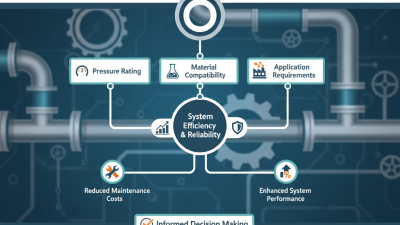
However, selecting the right swing check valve requires careful thought. Factors like the specific fluid type and system pressure must be considered. A poorly chosen valve can lead to maintenance challenges. Thus, understanding the operational environment is essential for optimal performance. Reliability in fluid control systems hinges on the proper application of the swing check valve.
Understanding the Basics of Swing Check Valves in Fluid Systems
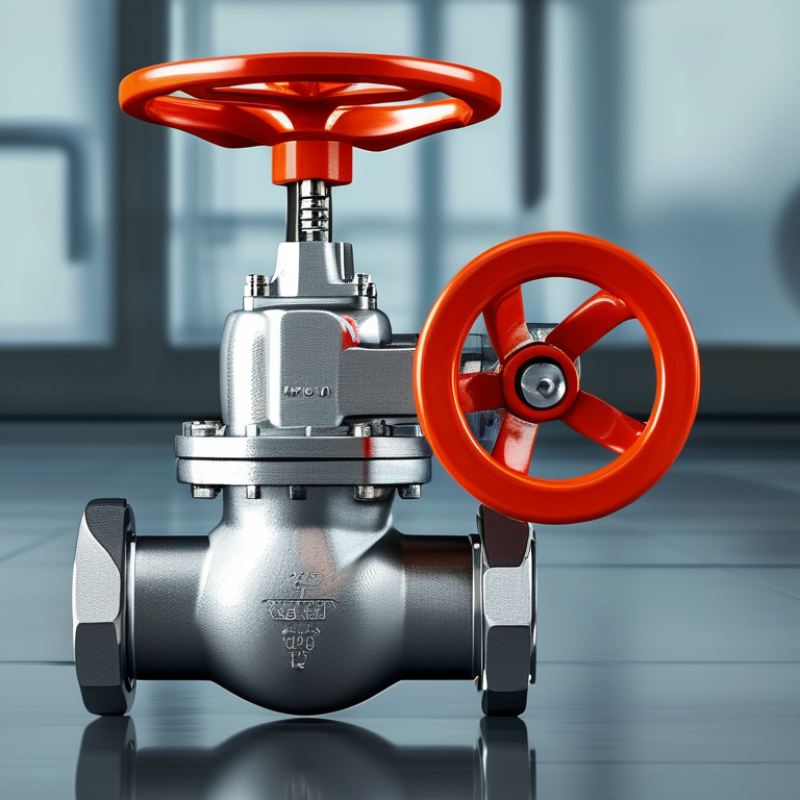
Swing check valves play a vital role in fluid systems. They allow flow in one direction while preventing backflow. This mechanism is crucial for maintaining efficiency and protecting equipment. According to a report by the Flow Control Industry, backflow incidents can cause equipment failures, leading to losses exceeding 30% in operational efficiency.
Understanding how swing check valves function can enhance your fluid control strategy. They have a disc that swings away from the valve seat when fluid flows. When the flow stops, gravity and back pressure close the valve. This simple design ensures reliable operation. However, improper installation can undermine these benefits. Many installations overlook gravity as a factor, potentially leading to failure.
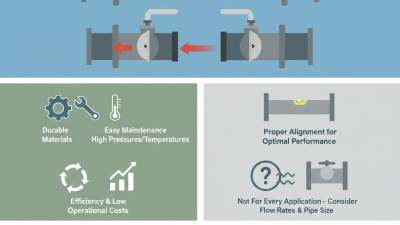
Tips: Regularly inspect swing check valves for wear. Look for signs of corrosion or debris. Keeping these components clean can prevent costly downtime. Additionally, ensure they’re installed with the correct orientation. Misalignment can lead to inefficiencies.
Investing in proper maintenance is key. Only 30% of industries conduct regular checks on their valves. This gap can lead to significant downtime and increased costs. By understanding swing check valves, industries can improve their overall system efficiency and reliability. Maintaining best practices is essential for long-term success.
The Role of Swing Check Valves in Preventing Backflow
Swing check valves play a crucial role in fluid control systems, particularly in preventing backflow. These valves allow fluid to flow in one direction while automatically closing when flow reverses. This action is essential for maintaining system integrity. By preventing backflow, they protect pumps and pipes from damage.
In applications like water supply and drainage, backflow can lead to contamination. If dirty water flows back into clean lines, it poses health risks. Swing check valves mitigate this danger effectively. Their simple design ensures reliable operation, but they are not foolproof. Misalignment or wear can compromise their function. Regular maintenance is essential to ensure they operate optimally.
Understanding how these valves work enhances our approach to fluid management. Knowing that they can fail encourages us to run tests periodically. The efficiency of a system relies heavily on each component. Swing check valves may appear straightforward, but their impact is significant. Ignoring their role can lead to costly consequences.
Advantages of Using Swing Check Valves for Efficient Fluid Control
Swing check valves are critical components in fluid control systems. They allow fluid to flow in one direction while preventing backflow. This functionality is essential for maintaining system efficiency. According to recent industry reports, improper backflow can lead to significant losses, with some sites experiencing up to 30% inefficiency. Using swing check valves helps mitigate these issues.
One major advantage is their simple design. Swing check valves rely on gravity and fluid flow for operation. This makes them less prone to failure compared to more complex valve types. They also require minimal maintenance, which can significantly reduce operational costs. A study from the American Society of Mechanical Engineers indicates that valves with minimal moving parts can enhance overall system reliability by over 20%.
Tips: Always choose the right valve size for your application. An oversized swing check valve can create turbulence, reducing efficiency. Regular inspections are vital too. Even reliable components can develop wear over time. Ensuring that these valves are in good condition helps maintain optimal performance levels.
Key Applications of Swing Check Valves in Various Industries
Swing check valves play a crucial role in various industries, ensuring efficient fluid control. In water treatment plants, they prevent backflow, maintaining system integrity. This is vital to protect pumps and pipelines from damage. In petroleum refineries, these valves are essential to safeguard processes. They allow fluids to flow in one direction while blocking any reverse flow. This mechanism enhances the safety and efficiency of operations.
In HVAC systems, swing check valves regulate the flow of air or water. Their design allows for minimal pressure loss, making systems more energy-efficient. However, they are not without challenges. Improper installation or maintenance can lead to failure. Valves may become stuck or leak, causing costly downtime. Regular inspections and maintenance are essential to ensure reliable performance.
In the food and beverage industry, maintaining hygiene is non-negotiable. Swing check valves help achieve this by preventing contamination. They ensure that no backflow occurs, which could mix clean and contaminated fluids. However, compliance with regulatory standards can be complex. Industries must remain vigilant about the type and condition of their valves. Attention to detail is crucial for operational success.
Factors to Consider When Selecting a Swing Check Valve
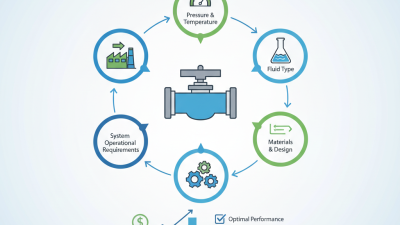
When selecting a swing check valve, it’s crucial to consider several factors. The valve material plays a significant role in performance. Choosing materials that resist corrosion can enhance longevity and reliability. For example, stainless steel is commonly preferred for its strength and resistance to harsh environments.
The valve size also matters and must match the pipeline’s specifications. A correctly sized valve ensures optimal flow and prevents backflow effectively. Furthermore, attention to the pressure rating is essential. A valve must withstand the specific pressures within a system to function correctly. Inadequate ratings can lead to failures and costly repairs.
Flow direction is another critical aspect. Make sure to install the valve in the correct orientation for proper functionality. A mistake here can lead to inefficient fluid control.
Regular maintenance is necessary too. Inspect the valve periodically to ensure it operates as intended. A neglected valve can result in performance issues. Consider these elements carefully to ensure the chosen swing check valve meets your fluid control needs efficiently.