Blogs | Steelstrong Valves

Why Choose a Swing Check Valve for Your Piping Needs?

In the world of piping systems, choosing the right components is crucial. A swing check valve stands out among various options. It is designed to prevent backflow, ensuring that fluids flow in one direction. This simple yet effective mechanism enhances system reliability.

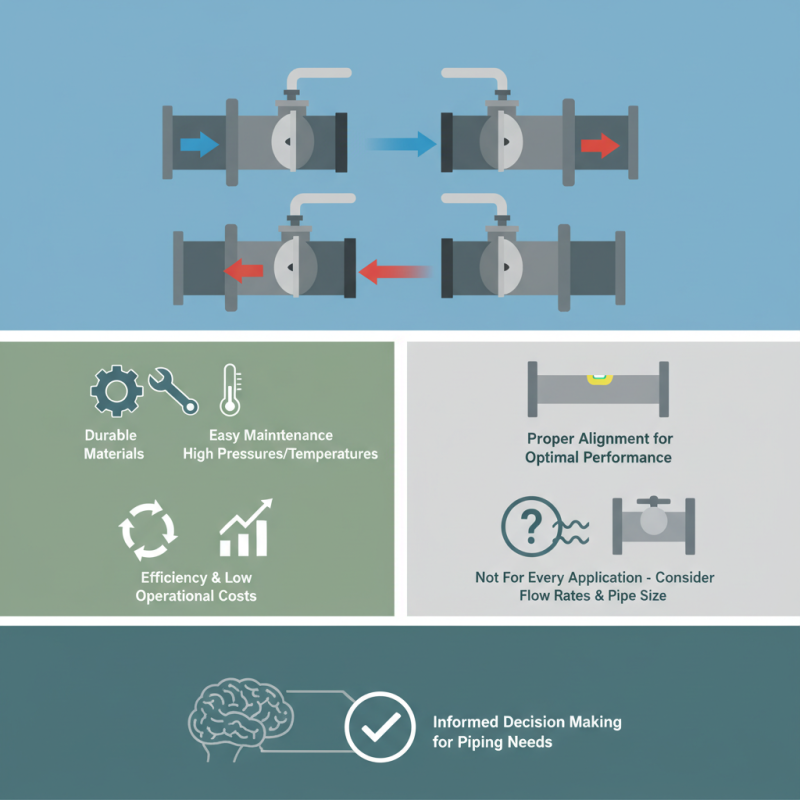
Manufactured from durable materials, swing check valves can withstand high pressures and temperatures. Their straightforward design makes maintenance easy. Experts appreciate their efficiency and low operational costs. Yet, some may overlook specific installation requirements. Proper alignment is vital for optimal performance.

While swing check valves offer many advantages, they may not be suitable for every application. Careful consideration of flow rates and pipe size is essential. Investing time in understanding these factors will lead to better decisions for your piping needs.
Why Choose a Swing Check Valve for Your Piping Needs?

Benefits of Using Swing Check Valves in Fluid Systems

Swing check valves offer significant advantages in fluid systems. These valves are designed to allow fluid to flow in one direction while preventing backflow. This feature is crucial in many applications, ensuring efficiency and safety. They consist of a disc that swings on a hinge, effectively sealing the pipeline when flow reverses.

One notable benefit of swing check valves is their simplicity. They have fewer moving parts, which means less wear and tear. This durability often results in lower maintenance costs. However, improper installation can lead to issues like noise and vibration. That might require careful adjustments to achieve optimal performance.

Moreover, swing check valves can handle larger volumes of fluid with minimal pressure drop. This efficiency can enhance system performance in various industries. Despite these benefits, users must be mindful of proper selection. Factors such as flow rate and pressure level play an essential role. Overlooking these details might lead to challenges in operation.
Key Applications of Swing Check Valves in Various Industries

Swing check valves have become essential components across various industries. These valves allow fluid to flow in one direction while preventing backflow. In the water treatment sector, for example, they help maintain system integrity. Contaminants can degrade water quality. Installing swing check valves reduces this risk significantly.

In the oil and gas industry, these valves play a crucial role. They work effectively in pipelines that transport crude oil or natural gas. Reliable performance is necessary to prevent leaks and spills. However, improper installation can lead to failures. Regular maintenance checks can address these issues and enhance reliability.

Moreover, swing check valves are also found in HVAC systems. They ensure optimal airflow and prevent reverse flow, safeguarding equipment. They must be selected carefully based on specific system demands. Misjudging the valve size can cause inefficiencies. Hence, thorough assessment is vital for peak performance.

Key Applications of Swing Check Valves in Various Industries

Technical Specifications and Performance Metrics of Swing Check Valves

Why Choose a Swing Check Valve for Your Piping Needs?

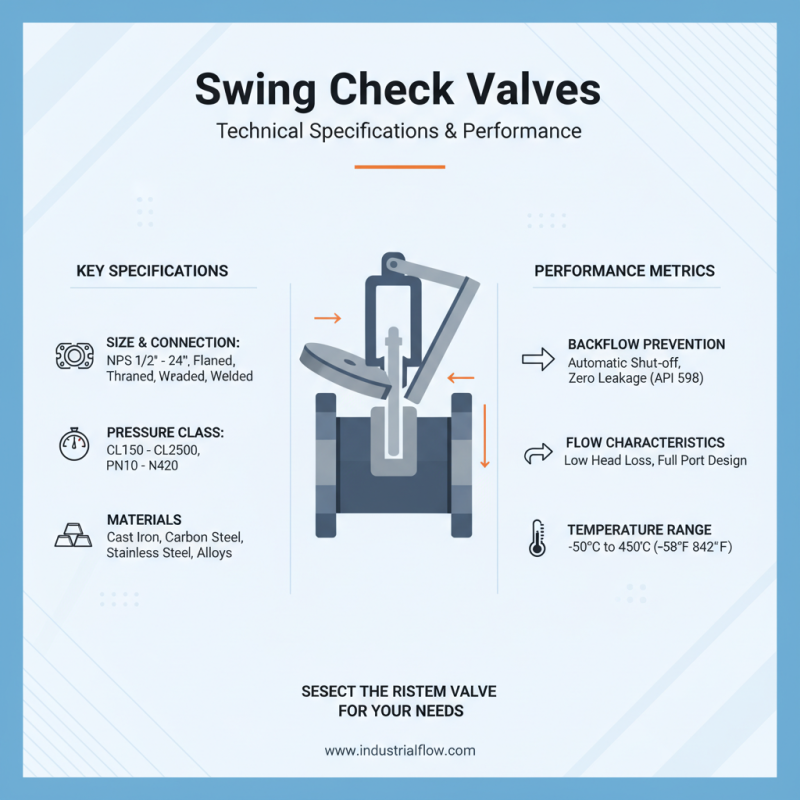
Swing check valves are essential for many piping systems. They prevent backflow by automatically closing when fluid reverses. This feature ensures system efficiency and safety. Understanding their technical specifications can help in selecting the right valve for your needs.

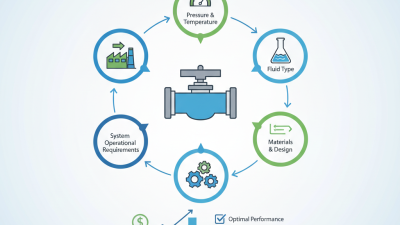
One important metric is the pressure rating. A swing check valve usually operates efficiently between 150 to 300 PSI. Another crucial specification is the size, ranging from 2 inches to over 24 inches in diameter. The material is also significant. Common options include cast iron or stainless steel. Each material has its advantages depending on the application.

**Tip:** Always consider the medium flowing through your piping system. Different fluids can affect valve performance.

Installing a swing check valve is straightforward, but mistakes can happen. Ensure the valve is oriented correctly. Misalignment can lead to leaks.

**Tip:** Regular inspections can prevent unforeseen issues. Check for wear and tear. Timely maintenance prolongs the valve’s life.

Comparative Analysis: Swing Check Valves vs. Other Check Valve Types

Why Choose a Swing Check Valve for Your Piping Needs?

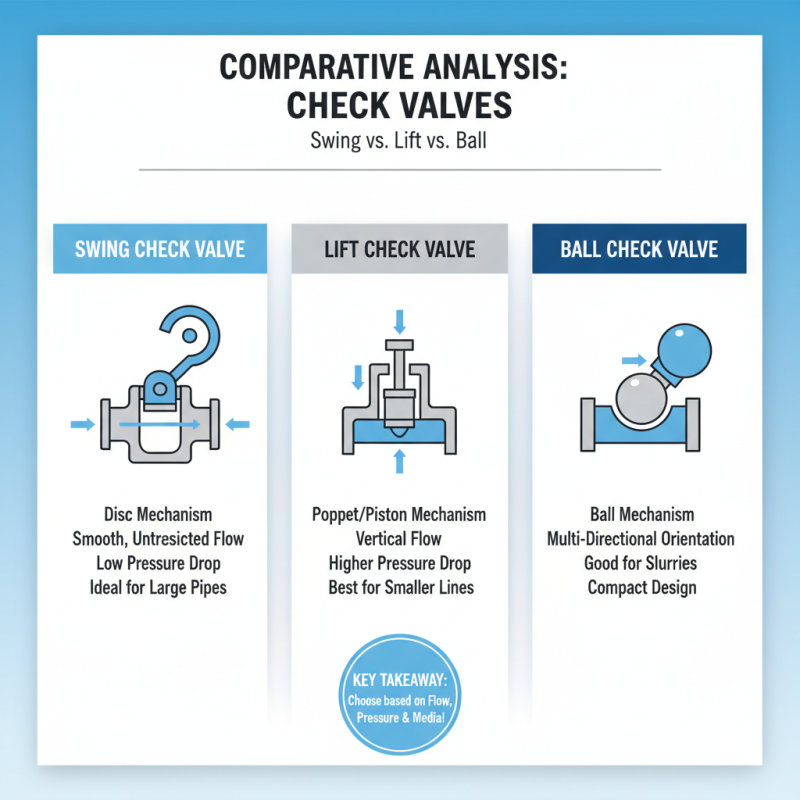
When choosing a check valve, many factors influence the decision. Swing check valves stand out due to their unique design. Unlike other types, such as lift check or ball check valves, swing check valves utilize a disc mechanism. This allows for a smooth flow of fluid in one direction while preventing backflow effectively.

In comparison, lift check valves can struggle with turbulence at low flow rates. The disc in a lift check valve moves vertically, which can cause inefficiency. On the other hand, ball check valves offer fast sealing but may not handle high-pressure systems as well as swing check valves. This creates a potential weakness in certain applications.

Considering installation, swing check valves are simpler to fit into most systems. Their design is typically less prone to jamming or wear. However, they may not be ideal for every scenario. In horizontal installations, the swinging motion could be restricted. This can lead to failures or malfunction over time. Evaluating these details helps ensure the best performance for various piping needs.

Maintenance and Operational Efficiency of Swing Check Valves in Pipelines

Swing check valves are essential in various piping systems. They allow fluids to flow in only one direction, preventing backflow. This design reduces the risk of contamination and system damage. However, not all swing check valves perform equally. Their efficiency relies on correct sizing and installation.


Maintenance is crucial for operational efficiency. Regular inspection helps identify wear and potential failures. Many users overlook simple issues like debris buildup in the valve. This can lead to reduced flow rates. Operators should check the seating surfaces and hinges routinely. A well-maintained valve ensures optimal performance, saving costs in the long run.


While swing check valves are reliable, they aren’t foolproof. Some users may experience problems under specific conditions, such as fluctuating pressures. Understanding these limitations is vital for successful application. Ensuring compatibility with overall system design can yield better results. A small oversight in selection can lead to complications. Regular training for maintenance teams might enhance overall system reliability.