Blogs | Steelstrong Valves

7 Best Forged Valves Manufacturers for Global Buyers

Choosing the right forged valves manufacturer is not a simple price comparison. Global buyers must examine material traceability, pressure ratings, machining accuracy, testing records, and long-term service support. A forged valve may appear flawless on a polished product page, yet its real value is revealed inside a refinery line, a cryogenic unit, or a high-pressure pipeline.

Valve engineering specialist Dr. John M. Daly offers a practical reminder: “A valve earns trust through performance, not appearance.” That principle guides this review of seven leading forged valves manufacturers. Each company is considered through a buyer’s real-world lens, including manufacturing capability, certification practices, export experience, customization, and after-sales responsiveness. Some suppliers excel in severe-service applications. Others provide stronger value for standard industrial projects. Not every manufacturer fits every operating environment.

The comparison also recognizes an uncomfortable truth. Product brochures rarely show delayed deliveries, unclear documentation, or difficult replacement planning. Those details matter when equipment operates thousands of miles from the supplier. Buyers should verify current certificates, inspect technical datasheets carefully, and request evidence of testing before signing a purchase order. No shortlist can replace engineering judgment. Still, this guide offers a practical starting point for procurement teams seeking dependable forged valves for oil and gas, power generation, chemical processing, water treatment, and other demanding industries.
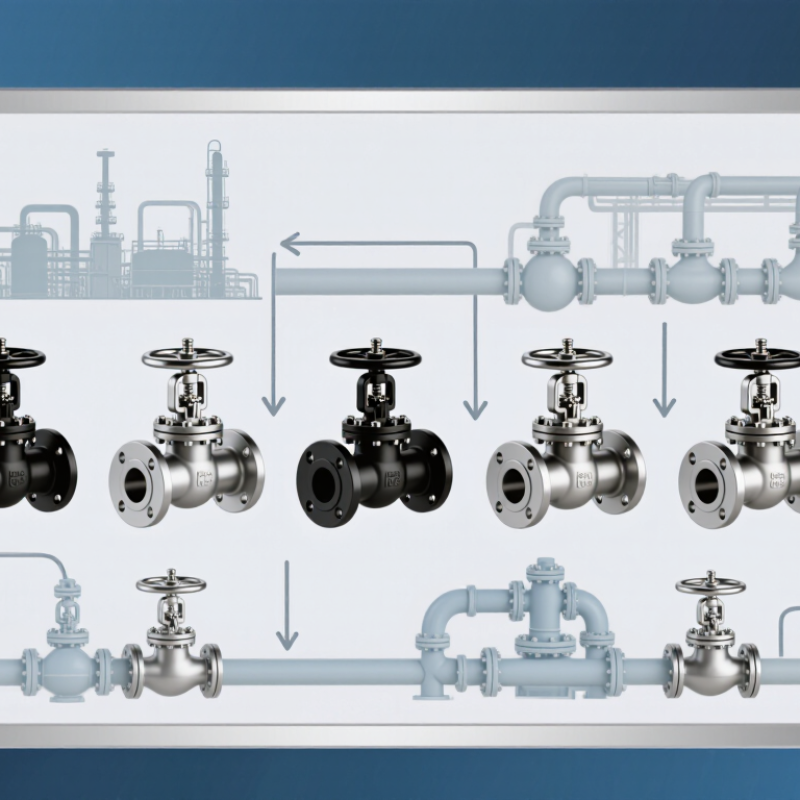
7 Best Forged Valves Manufacturers for Global Buyers

What Forged Valves Are and Why Global Buyers Choose Them

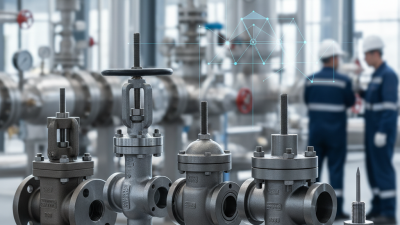
Forged valves are pressure-control components made from heated metal shaped under force. This process refines the material structure and reduces internal weaknesses. The result is a compact valve body with strong resistance to pressure, vibration, and temperature changes. Global buyers often choose forged valves for oil, gas, power, chemical, and industrial piping systems. Their smaller size can also simplify installation in crowded layouts. However, forged construction is not automatically the best choice for every application. That assumption needs checking.

Experienced valve engineers review pressure ratings, operating temperature, media compatibility, connection type, and cycle frequency before selection. Reliable manufacturers should provide material certificates, dimensional records, pressure-test results, and clear traceability. Quality control should cover forging, machining, heat treatment, assembly, and final inspection. Independent testing can add confidence when the service is critical. A polished surface alone proves very little.

Tips: Match the valve material with the fluid and temperature, not only the purchase price. Confirm whether the design follows the required international standards. Ask for test documentation before shipment. Check spare-part availability and technical support in your region. Also, consider maintenance access. A strong valve becomes a poor investment when technicians cannot inspect or replace it safely. Small details matter.

Key Standards for Evaluating Forged Valve Manufacturers

When global buyers compare forged valve manufacturers, certificates are only the starting point. A reliable evaluation begins with design competence, material control, and documented production experience. Ask whether the manufacturer can provide heat-number traceability from billet to finished valve. Review forging methods, machining tolerances, welding controls, and non-destructive testing records. Details matter. A polished brochure proves little.

Technical compliance should match the valve’s service conditions, not merely a sales checklist. Check applicable API, ASME, ISO, and local requirements for pressure, temperature, fire safety, emissions, and inspection. Confirm pressure-test procedures, acceptance criteria, calibration status, and independent inspection options. Experienced suppliers explain material grades and corrosion limits clearly. They should also disclose exclusions before quotation. Some manufacturers avoid difficult questions. That is a warning sign.

Reliability also appears in ordinary communication. Compare drawing revisions, response times, spare-parts planning, packaging, and delivery records. Request references from similar pressure classes and operating environments. Factory audits can reveal storage problems, rushed identification, or weak final inspection. No supplier is flawless. Buyers should record these findings and weigh risks openly. I would not choose the lowest bid without examining failure costs, downtime, and replacement access. A manufacturer may meet every standard yet still lack practical support after shipment. This gap deserves careful attention.

7 Best Forged Valves Manufacturers for Global Buyers - Key Standards for Evaluating Forged Valve Manufacturers

Evaluation Dimension What Global Buyers Should Verify Relevant Standard or Reference Recommended Evidence Priority
1
Design and Pressure Rating
Confirm that the forged valve design, pressure class, temperature range, end connections, wall thickness, and materials match the project specification. ASME B16.34 for valves, flanged, threaded, and welding-end requirements; applicable project piping standards should also be reviewed. Approved drawings, pressure-temperature rating tables, design calculations, material specifications, and a traceable technical data sheet. Critical
2
Product and Service Scope
Assess coverage of forged gate, globe, check, ball, needle, and specialty valves, including manual, pneumatic, hydraulic, or electric actuation where required. API 6D is commonly used for pipeline valves; product-specific standards may apply to particular valve types and services. Current product catalog, dimensional schedules, actuator compatibility data, application references, and formal deviation lists. High
3
Materials and Metallurgical Control
Verify that pressure-containing and pressure-retaining parts use suitable forged materials with controlled chemistry, heat treatment, hardness, and mechanical properties. ASTM A105/A105M for forged carbon-steel piping components and ASTM A182/A182M for forged or rolled alloy and stainless-steel flanges, fittings, and valves. Material test certificates, heat numbers, positive material identification records, heat-treatment charts, hardness reports, and traceability from raw material to finished valve. Critical
4
Pressure, Seat, and Functional Testing
Check body, shell, back-seat, and closure performance through documented tests. Acceptance criteria must correspond to the valve type and purchase specification. API 598 covers inspection and testing of many industrial valves; ISO 5208 specifies pressure-testing requirements and leakage-rate designations. Signed test reports, calibrated gauge records, test-medium details, test duration, leakage results, serial-number traceability, and nonconformance records. Critical
5
Emissions and Service Compatibility
For hazardous or environmentally sensitive service, verify stem-sealing performance, fugitive-emission control, corrosion resistance, and compatibility with sour or corrosive media. ISO 15848-1/-2 for fugitive-emission classification and production testing; NACE MR0175/ISO 15156 for materials in H2S-containing oil and gas environments. Emission-test certificates, packing specifications, corrosion allowance, sour-service material declaration, hardness results, and service limitations. Critical
6
Quality Management and Inspection
Evaluate manufacturing controls, inspection independence, welding and NDE capability, calibration management, corrective action, and control of supplied components. ISO 9001 provides a quality-management framework; project specifications may additionally require API, ASME, PED, or other conformity requirements. Valid quality certificates, inspection and test plans, NDE procedures, welder qualifications, calibration certificates, audit reports, and corrective-action records. High
7
Documentation, Delivery, and After-Sales Support
Confirm the supplier can deliver complete documentation, export-ready packaging, spare parts, installation guidance, warranty support, and reliable lead-time updates. EN 10204 defines inspection-document types such as 3.1 and 3.2; contractual shipping, marking, preservation, and documentation requirements should also be specified. Document register, EN 10204 certificates, operation and maintenance manuals, packing list, preservation procedure, spare-parts list, warranty terms, and delivery performance records. High

Buyer guidance: compare suppliers against the same technical specification, required standards, inspection level, delivery terms, and total cost of ownership. Standards should be confirmed against the latest applicable edition and the final project requirements before purchase.

Seven Leading Forged Valve Manufacturers for International Buyers

Seven Leading Forged Valve Manufacturers for International Buyers

The seven leading forged valve manufacturers for international buyers should be judged by evidence, not catalog size. Grand View Research estimates that the global industrial valves market reached about USD 78.7 billion in 2023. Its forecast indicates continued growth through 2030, increasing pressure on suppliers to prove quality and delivery reliability.

Look for manufacturers with documented experience in oil, gas, power generation, chemical processing, and water systems. Forged bodies should show controlled grain structure, accurate machining, and traceable heat numbers.

Ask for material certificates, pressure-test records, and non-destructive examination reports. API 602 and ASME B16.34 remain important references for compact forged gate, globe, and check valves.

ISO 9001 certification helps, but it does not replace product-level inspection.

Small details matter. Check wall thickness, stem finish, packing design, and spare-part availability. Buyers should also compare lead times across standard and customized sizes.

The International Energy Agency reports that global energy investment remains above USD 3 trillion annually, supporting sustained demand for dependable flow-control equipment.

Still, market reports often combine many valve categories, so their figures are not perfect evidence for forged valves alone. That limitation deserves attention.

A practical shortlist should include seven suppliers with verified test facilities, export experience, transparent documentation, and responsive technical support. Quality must be visible.

Product Ranges, Materials, and Industry Applications Compared

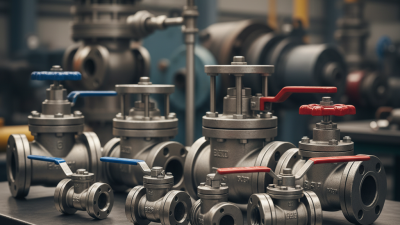
When comparing the seven best forged valve manufacturers, global buyers should examine product range before counting certifications. Reliable suppliers commonly offer forged gate, globe, check, ball, and needle valves. Compact gate valves suit high-pressure isolation. Globe valves provide better throttling control. Check valves help prevent reverse flow. Small-bore needle valves support precise instrumentation service.

Material selection must match temperature, pressure, and fluid chemistry. Carbon steel is practical for general steam and utility lines. Stainless steel, especially 316, performs better against corrosion. Alloy steel handles demanding heat and pressure. Duplex stainless steel can suit chloride-rich environments, though welding control becomes critical. Nickel alloys may support aggressive chemical service. They cost more. Sometimes, they are unnecessary.

Industrial application changes the purchasing decision. Power plants often require valves for boiler feedwater, steam, and condensate systems. Chemical facilities need dependable sealing around corrosive or hazardous media. Oil and gas projects usually prioritize pressure ratings, fire-safe designs, and traceable testing. Food and pharmaceutical plants may require polished surfaces and cleaner internal geometry. Buyers should verify API 602, ASME B16.34, ISO 15848, and project-specific requirements. Documentation matters.

A strong comparison should include body forging quality, trim materials, pressure testing, delivery history, spare parts, and technical support. A low purchase price can hide expensive maintenance. Yet premium materials do not guarantee better service. Poor sizing still causes leakage, vibration, and early failure. Check actual operating data, not only the catalog.

How to Select the Right Forged Valve Supplier for Your Project

Selecting the right forged valve supplier requires more than comparing prices. Fortune Business Insights valued the global industrial valves market at about US$78.64 billion in 2023. Demand is growing, but quality expectations are growing faster. Your supplier should understand pressure class, temperature range, media compatibility, and installation conditions.

In supplier audits, I check material certificates, heat numbers, hydrostatic test records, and inspection plans. Forged bodies need consistent grain structure and accurate machining. Ask whether production follows relevant standards, such as API 602, ASME B16.34, and ISO 9001. Grand View Research identifies energy and process industries as major valve application areas. That means traceability is not optional. It protects maintenance teams years after delivery. A low quote can look attractive. It can also be misleading.

Tips: Request a sample quality dossier before placing an order. Confirm testing equipment calibration dates. Compare lead times with your shutdown schedule. Ask for references from similar pressure and temperature projects. Review warranty terms carefully. Also, check communication speed during technical discussions. Suppliers sometimes promise everything before reviewing drawings. That should make you pause. I have learned that one overlooked detail, such as stem material or end connection tolerance, can create expensive rework. The selection process is rarely perfect. Build room for questions, revisions, and independent inspection.