2026 How to Choose the Right Industrial Ball Valves?
Choosing the right industrial ball valves is crucial for your operations. These valves control the flow of liquids and gases in various systems. The market offers diverse options, making selection challenging. Understanding your specific needs is essential.
When searching for industrial ball valves, consider several factors. Material, size, and pressure rating are significant. Each application demands particular attributes. Not all valves perform equally under pressure or corrosive conditions.
Moreover, seek expert advice when needed. Knowledgeable suppliers can guide you through your options. Trusting the right source builds confidence in your selection. Industrial ball valves must align with your application requirements for optimal performance.
Understanding the Different Types of Industrial Ball Valves
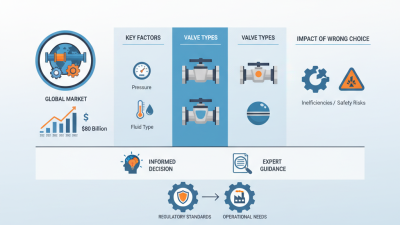
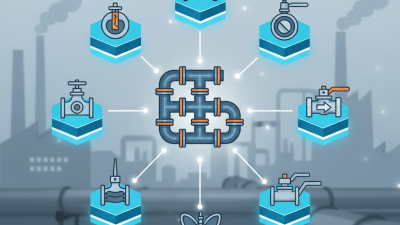
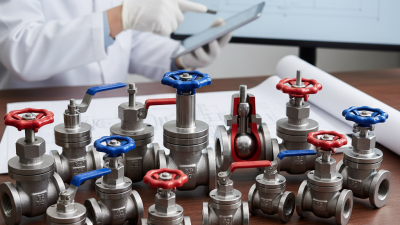
When selecting industrial ball valves, understanding the different types is crucial. Each type serves unique applications and conditions. The most common types include full-port, reduced-port, and V-port ball valves. Full-port valves provide an unobstructed flow path, delivering minimal pressure loss. Industry reports indicate that these valves are favored in large-scale operations, accounting for nearly 50% of market demand.
Reduced-port valves, on the other hand, have a smaller opening, which can create turbulence. They are often used in applications where pressure drop isn't a significant concern. V-port ball valves offer adjustable flow control, suitable for systems requiring precise regulation. According to recent market analysis, the demand for V-port valves is expected to grow by 15% over the next five years, highlighting their increasing importance.
**Tips:** Always consider the materials used in the valve construction. Corrosion-resistant materials can enhance longevity. Additionally, ensure compatibility with the media involved. Not all valves are suitable for every fluid type. Research data indicates that incorrect selections can lead to failures, costing industries significantly. Regular inspections and maintenance are also vital to ensure reliable operation.
2026 How to Choose the Right Industrial Ball Valves? - Understanding the Different Types of Industrial Ball Valves
| Type of Ball Valve |
Material |
Size Range |
Pressure Rating |
Applications |
| Floating Ball Valve |
Carbon Steel, Stainless Steel |
1/2" to 12" |
150 - 600 PSI |
Water, Oil, Gas |
| Trunnion Ball Valve |
Carbon Steel, Alloy Steel |
2" to 48" |
150 - 2500 PSI |
Oil and Gas, Chemical Processing |
| Full Port Ball Valve |
PVC, CPVC |
1/4" to 8" |
150 PSI |
Water Treatment, Chemical Transport |
| V-Port Ball Valve |
Stainless Steel, Brass |
1" to 6" |
150 - 300 PSI |
Flow Control Applications |
Key Factors to Consider When Selecting Ball Valves for Your Application
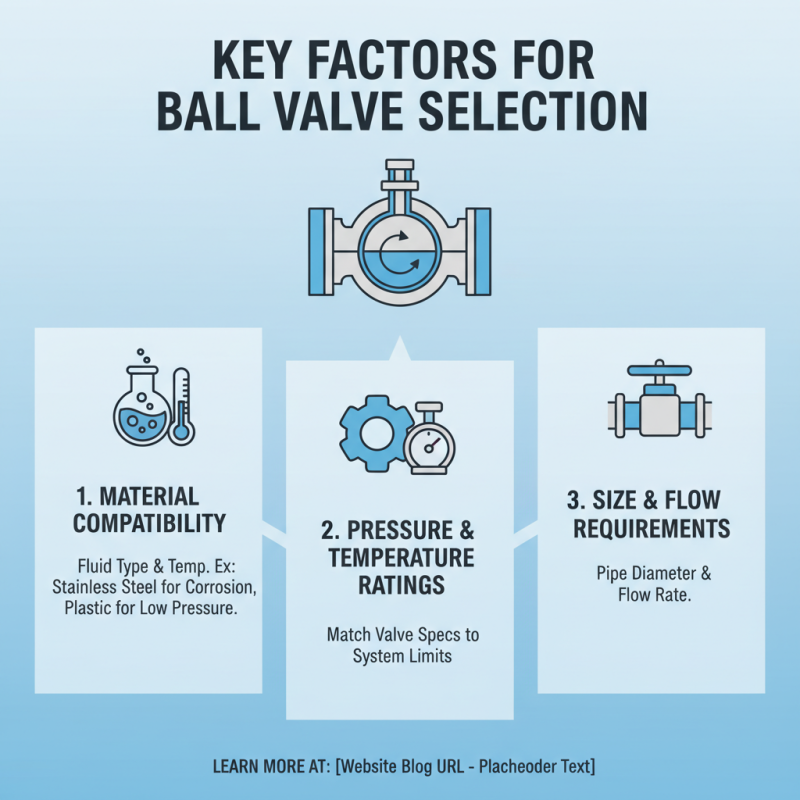
When selecting industrial ball valves, several key factors must be carefully considered. The first is material compatibility. Different materials react differently under various environmental conditions. For example, stainless steel is ideal for corrosive environments, while plastic valves can be suitable for low-pressure applications. Always assess the fluid type and its temperature before making a choice.
Another crucial factor is the valve’s size and flow rate. Your application may require specific flow rates to maintain efficiency. A mismatch could lead to inadequate performance or excessive pressure drop, which might impact the overall system. Properly measuring your pipeline's inner diameter will help gauge the appropriate valve size.
**Tips:** Always consult technical specifications when in doubt. Understanding pressure ratings is essential as well. When uncertain about sizing, seek expert advice. Balancing performance with cost is key. Don’t overlook maintenance requirements, as some valves may require more servicing than others. Take time to evaluate whether your chosen valve will be durable for long-term use. Choosing wisely could prevent costly breakdowns in the future.
Material Considerations for Durability and Compatibility in Ball Valves
Choosing the right industrial ball valves involves careful consideration of material properties. The durability and compatibility of materials have a significant impact on performance and lifespan. Common materials include stainless steel, bronze, and plastic. Each material offers unique benefits, making it crucial to match the valve’s application with its material.
Stainless steel is highly resistant to corrosion and is ideal for harsh environments. According to a 2022 industry report, stainless steel valves can last up to 30% longer than their carbon steel counterparts under the same conditions. However, when considering weight and cost, plastic valves might be suitable for lighter applications. They are also resistant to chemical reactions, making them versatile in various industries.
**Tip:** Always assess the chemical compatibility of the valve material with the transported media. This can prevent leaks and damage.
Compatibility issues can arise if the wrong material is selected. For instance, using carbon steel in a corrosive environment may lead to quick degradation. A careful review of environmental factors can help in choosing a longer-lasting option.
**Tip:** Consult material specification guidelines to ensure you select the best match for your application needs.
Material Considerations for Durability in Industrial Ball Valves
Evaluating Sizing and Pressure Ratings for Optimal Performance
Choosing the right industrial ball valves requires careful consideration of sizing and pressure ratings. These factors directly influence performance, efficiency, and safety. It is crucial to evaluate the system's requirements thoroughly. Proper sizing prevents leaks and ensures smooth operation under varying conditions.
Pressure ratings determine how much stress a valve can handle. It is vital to match the valve’s ratings with your system's pressure. An inadequate rating could lead to dangerous failures and costly downtime. Always check compatibility with your existing setup.
**Tips:**
Consider conducting a pressure test on your system. This helps identify necessary valve specifications. Review potential fluctuations in pressure during operation. Understanding the environment where the valve will be used is key.
Feasibility assessments can reveal potential oversights. Sometimes, engineers overlook small details. These oversights may result in inadequate performance. Always look back on the design to ensure every aspect is addressed.
Best Practices for Installation and Maintenance of Ball Valves
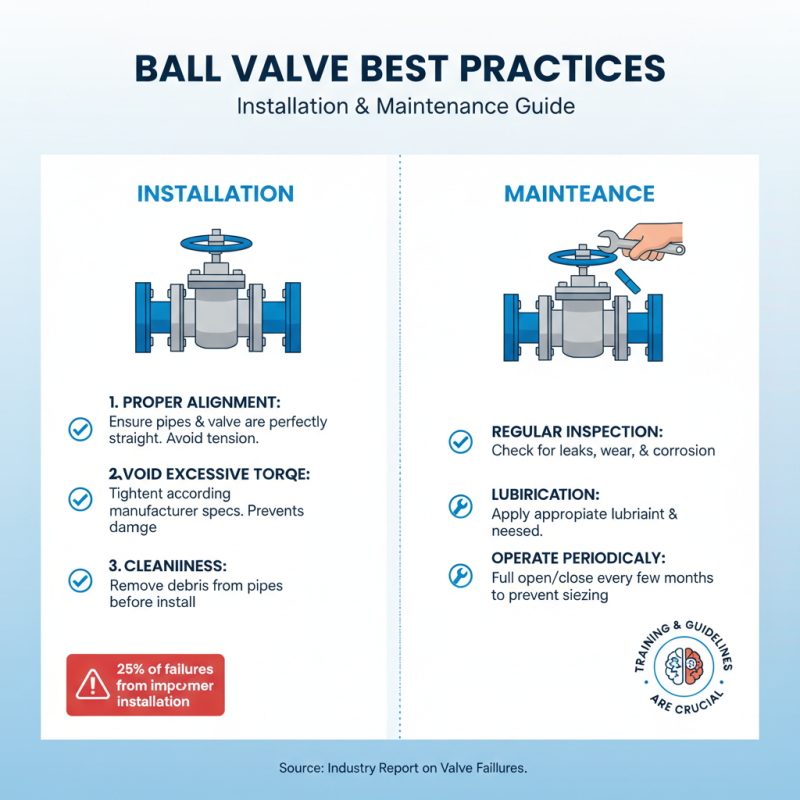
When installing and maintaining ball valves, attention to detail is vital. According to a recent industry report, about 25% of valve failures are linked to improper installation. This emphasizes the need for proper training and guidelines. Ensure that the valve is installed with correct alignment, avoiding excessive torque. Misalignment can lead to leaks and malfunctions.
Routine maintenance is essential for optimal performance. A survey indicated that 30% of users neglect regular checks, resulting in unanticipated failures. Implement a schedule for inspections, focusing on signs of wear and corrosion. Simple checks can save time and resources. In some cases, a damaged valve can cause significant operational delays, impacting overall productivity.
Finally, consider the environment where the valve operates. Factors such as temperature fluctuations or exposure to corrosive substances can affect the valve's lifespan. Customizing maintenance strategies based on these conditions ensures reliability. The importance of documenting maintenance actions cannot be overstated; records can provide insights into recurring issues and promote better decision-making.