Choosing the right natural gas valve is crucial for safety and efficiency in any gas system. John Smith, a recognized expert in the natural gas industry, emphasizes, “Selecting the correct valve can prevent leaks and ensure proper flow.” This insight highlights the importance of understanding valve specifications.
Natural gas valves come in various types, each serving distinct functions. Understanding pressure ratings, sizes, and materials is essential. Many users overlook these details, which may lead to costly mistakes. For instance, a poorly chosen valve may not withstand high pressures, resulting in a dangerous failure.
Additionally, the installation environment matters. Valves exposed to harsh weather need specific materials to ensure longevity. It's common for professionals to underestimate this factor. Therefore, thorough research and consultation with industry experts are vital. This will aid in making informed decisions when selecting a natural gas valve.
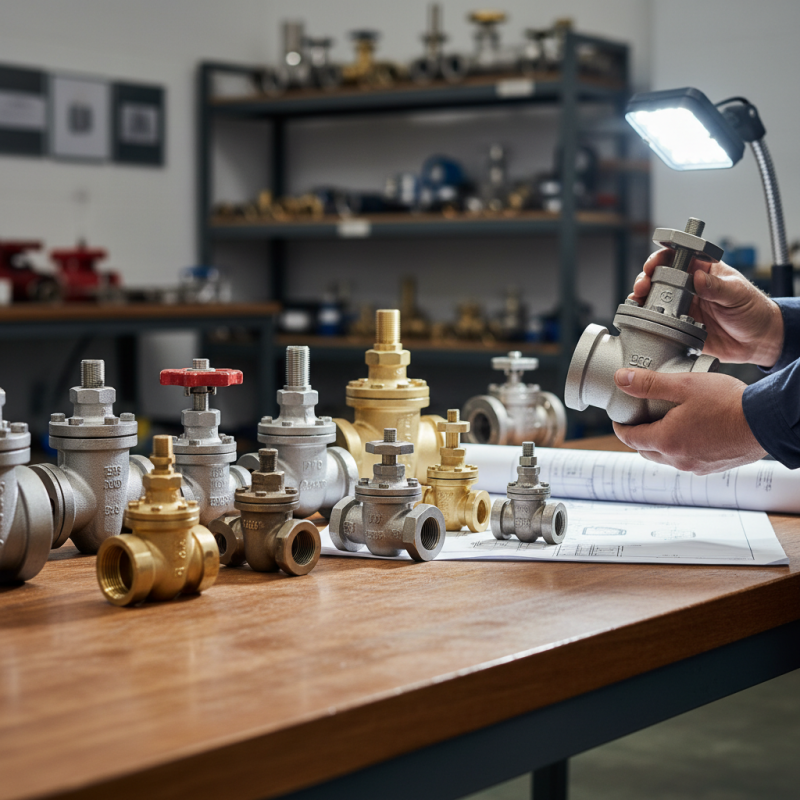
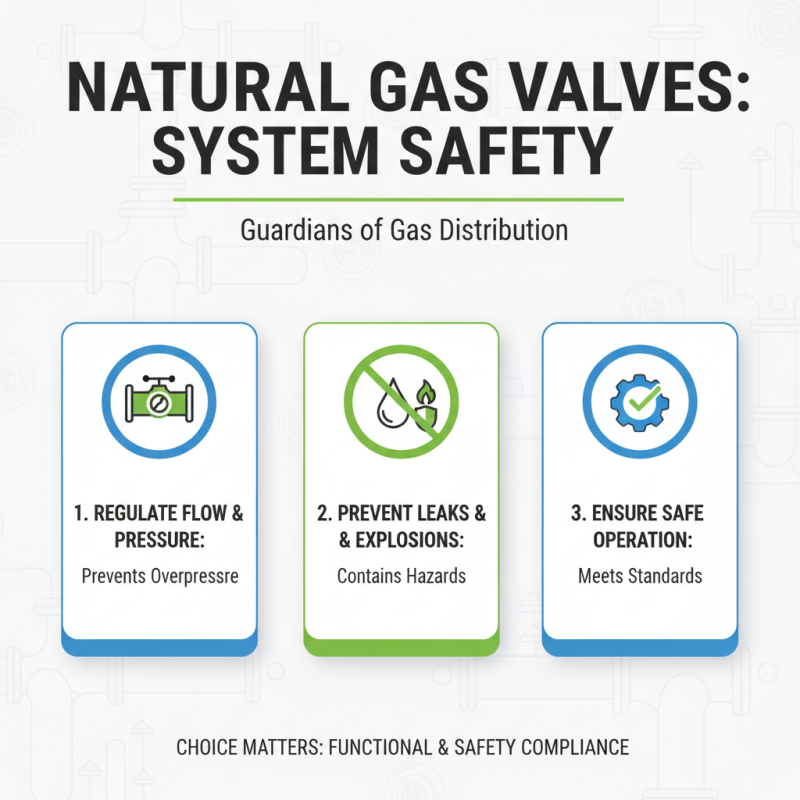
Natural gas valves play a crucial role in ensuring system safety within gas distribution systems. They regulate the flow and pressure of gas, preventing leaks and potential explosions. The right valve contributes directly to a safe operating environment. It is vital to choose a valve that meets both functional and safety standards.
When selecting a natural gas valve, consider factors such as material, type, and application. Materials must withstand corrosive environments. Common choices include stainless steel and brass. Furthermore, the valve type should align with your specific system requirements. Ball valves, globe valves, and gate valves each have unique advantages and drawbacks. Misunderstandings in these choices can lead to system failures. Many users overlook the importance of maintenance schedules. Valves should be inspected regularly to avoid unexpected failures.
Understanding how a valve operates can also enhance safety. A well-chosen valve can control the gas flow effectively during emergencies. However, incorrect installation can negate these benefits. Continuous education and training for operators are essential. Manufacturers may provide guidelines, but practical experience is invaluable. Ensuring that staff understand the characteristics of each valve type contributes greatly to system integrity.
When selecting a natural gas valve, understanding the different types available is crucial. There are generally two main categories: manual valves and automatic valves. Manual valves require physical operation, offering users direct control. These valves are often preferred for straightforward applications. However, one must ensure they are easily accessible and not prone to wear over time.
Automatic valves, on the other hand, function with minimal human intervention. They are ideal for complex systems requiring precise control. These valves often employ sensors and actuators, streamlining operation. Yet, one must be cautious. The added complexity can lead to higher maintenance needs.
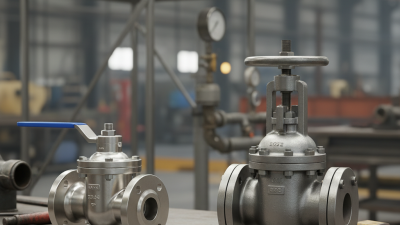
Ball valves and gate valves are common types in the market. Ball valves provide tight sealing and quick operation. Gate valves suit applications requiring full flow. However, their slower response time can result in inefficiencies. It’s also vital to consider the material of the valve. Different materials, like brass and stainless steel, cater to varying temperature and pressure needs. Always weigh these factors against specific requirements for the best fit.
| Tip Number | Tip Description | Type of Valve | Applications |
|---|---|---|---|
| 1 | Identify the type of valve required based on application. | Ball Valve | Residential and commercial gas supply. |
| 2 | Ensure the valve meets local safety standards. | Gate Valve | Main line isolation. |
| 3 | Check the pressure rating of the valve. | Globe Valve | Flow regulation. |
| 4 | Consider the valve material for compatibility. | Check Valve | Backflow prevention. |
| 5 | Evaluate the valve’s size for proper fit. | Pressure Relief Valve | Safety systems. |
| 6 | Check the operational mechanism of the valve. | Actuated Valve | Automated systems. |
| 7 | Examine the flow characteristics of the valve. | Flow Control Valve | Fuel gas management. |
| 8 | Assess the installation location and accessibility. | Solenoid Valve | Remote control applications. |
| 9 | Review maintenance requirements for the valve. | Butterfly Valve | Large diameter pipelines. |
| 10 | Consult with professionals for installation insights. | Diverter Valve | Multichannel flow applications. |
When selecting a natural gas valve, focusing on key specifications is crucial. Understanding the pressure rating is essential. Most valves operate under pressures ranging from 0 to 60 psi. Valves for residential use typically fall within this bracket, while industrial applications may require higher pressure tolerances. A valve that’s too weak can lead to safety risks.
The body material also plays a notable role in durability. Common materials include brass, stainless steel, and plastic. Brass tends to offer good corrosion resistance, while stainless steel provides enhanced strength. According to industry data, nearly 75% of gas-related incidents occur due to valve failures linked to material weaknesses. Ensuring the right material for your environment can help mitigate these risks.
Flow capacity matters as well. The valve size needs to match the system’s requirements to avoid pressure drops. A valve that’s too small can hinder gas flow, impacting appliance performance. Specifications like the Cv rating indicate how much flow a valve can handle. Notably, reports suggest that improper valve sizing accounts for about 30% of efficiency losses in gas systems. Understanding these elements leads to better decision-making in valve selection.
This bar chart displays the importance rating of various key specifications to consider when selecting a natural gas valve. The ratings range from 1 to 10, with higher values indicating greater importance in the selection process.
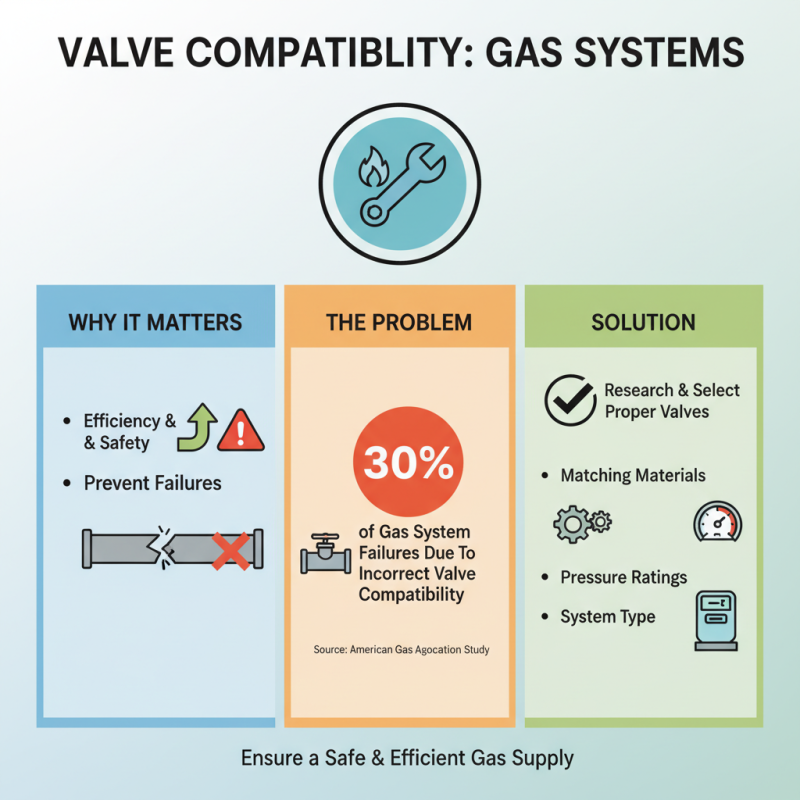
When choosing a natural gas valve, compatibility with your existing gas system is crucial. Research shows that improper valve selection can lead to inefficiencies and safety hazards. A study by the American Gas Association indicates that nearly 30% of gas system failures are due to incorrect valve compatibility.
Valves come in various materials and sizes. Selecting the right material can enhance durability. For example, brass and stainless steel are ideal for most gas applications. However, each has specific pressure ratings and temperature limits. Always refer to the National Fuel Gas Code for guidance. Compatibility also involves checking the valve's pressure rating against your system’s requirements.
Consider the type of gas you are using. Natural gas and propane have different properties. A valve suited for one type is not guaranteed to function well with another. It is vital to consult an experienced technician to evaluate your system. This step can prevent expensive repairs or even dangerous leaks. Good practice involves continuous learning and adaptation to industry standards and innovations.
Proper installation of natural gas valves is crucial. Ensure you follow manufacturer guidelines closely. Each type of valve may have specific requirements. Missteps could lead to leaks or failures. It’s essential to verify all connections are secure. Use appropriate tools for tightening but avoid over-tightening.
Regular maintenance can enhance valve performance. Check for signs of wear or damage periodically. Clean the valve surfaces to prevent corrosion. Lubricate moving parts lightly as needed. A visual inspection can reveal potential issues before they escalate. Document your maintenance tasks to create a reliable history.
Sometimes, user errors occur during installation or upkeep. Learning from past experiences is vital. Adjustments in techniques can improve outcomes over time. Consider seeking advice from experts when in doubt. This process can lead to a more dependable system. Effective maintenance is not just about fixing—it’s about anticipating problems.