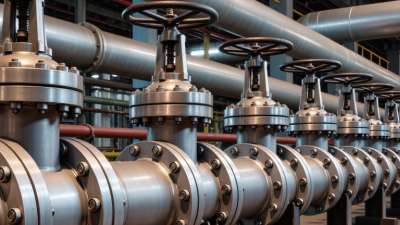
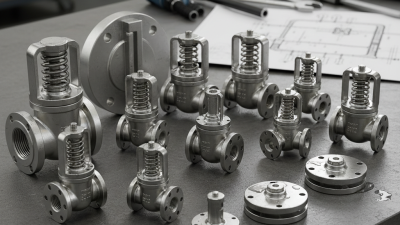
A plant’s isolation valve may sit unnoticed for months, then become critical during a shutdown. That is where industrial gate valves can make sense: they are designed mainly for fully open or fully closed service, with a relatively direct flow path when open. They are not ideal for throttling. Choosing one without checking the actual duty can create avoidable wear.
Valve author John Ballun’s published work offers a technical lens on valve selection. The following is an editorial paraphrase, not a verbatim quotation: “Match the valve to the process conditions, not just the pipe size.” That distinction matters. A procurement team should review pressure, temperature, fluid characteristics, operating frequency, end connections, and maintenance access. A stainless-steel body may suit one service; another may require different materials or trim. Confirm the manufacturer’s data for the specific model.
For many facilities, industrial gate valves offer straightforward isolation and familiar maintenance practices. In a large water line, for example, an appropriately selected valve can provide a clear shutoff point near a pump or branch connection. Yet the handwheel’s position, stem clearance, and space for removal deserve attention before installation. Small details become expensive later.
They are not a universal answer. Slow operation, seat condition, and unsuitable service can undermine performance. Even experienced teams sometimes focus too much on purchase price. A sound choice weighs lifecycle needs, documentation, and support alongside initial cost. The practical question is simple: will this valve isolate the line reliably under your real operating conditions?
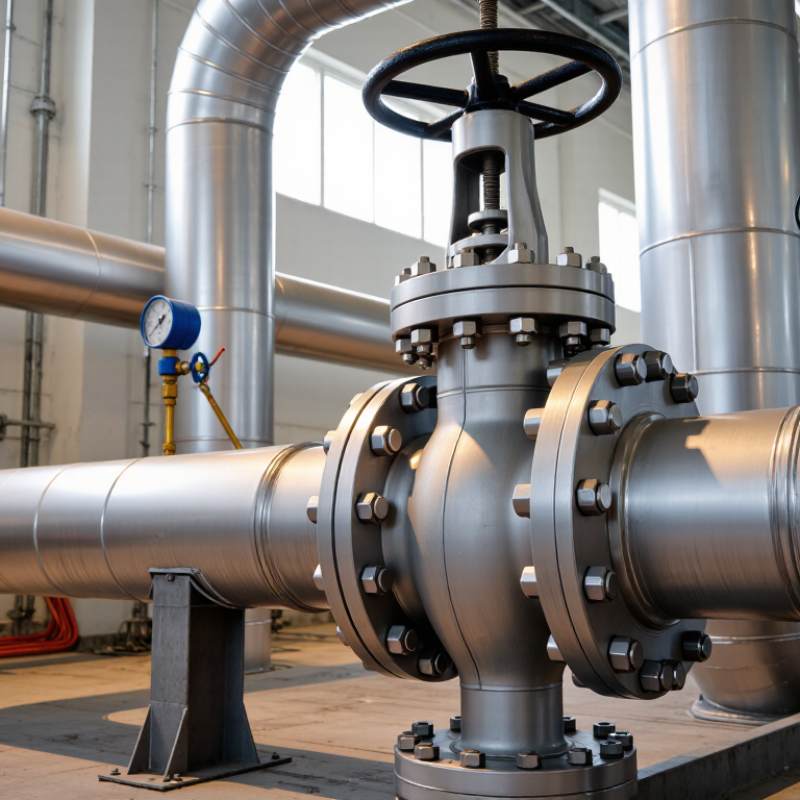
An industrial gate valve controls flow by moving a flat or wedge-shaped gate across the fluid path. Turning the handwheel or actuator raises the gate from its seat. When fully open, the gate usually clears the passage, allowing fluid to flow with relatively little restriction. Turning it closed presses the gate against the seats and stops flow.
Simple in principle. Details matter.
Many designs use a rising stem, which shows whether the valve is open, while non-rising stems save vertical space. Gate valves are commonly used on water, steam, and other process lines where operators need dependable isolation. They are generally intended for fully open or fully closed service, not frequent throttling. A partly lowered gate can vibrate, wear unevenly, or suffer damage from turbulent flow.
That is easy to overlook.
Material, pressure rating, temperature, and fluid compatibility all affect valve selection. Sediment or corrosion can also prevent a tight seal, even when the handwheel feels fully closed. The right design depends on the actual line conditions, and no single gate valve suits every installation.
In industrial piping, gate valves are primarily isolation devices. They stop or allow flow through a line, rather than regulate it. When fully open, the gate moves clear of the flow path, which helps limit obstruction and pressure loss. Picture a large water main or steam header: the valve may sit beside a pump, tank, or branch line, ready to isolate equipment for maintenance. Not for routine throttling.
The U.S. Energy Information Administration’s 2018 Manufacturing Energy Consumption Survey reports that U.S. manufacturing used about 20 quadrillion Btu of energy. That figure is not a measure of valve performance, but it shows why reliable isolation matters across energy-intensive plants. In steam, water, and process-service lines, engineers typically select a gate valve based on pressure, temperature, fluid, materials, and how often the valve must operate. The EIA report provides context, not a sizing rule.
A gate valve may suit a line that stays open for long periods and needs occasional, tight shutoff. It is usually a poor choice for frequent flow adjustment; partial opening can cause vibration, wear, or damage. That distinction is easy to miss on a piping drawing. A practical review should also check space for the rising stem, actuator access, and room to remove the valve during repairs. This is not a perfect rule: actual service conditions can change the choice.
Where gate valves fit in industrial piping systems
Gate valves are primarily used to isolate sections of piping. When fully open, the gate moves clear of the flow path, helping minimize obstruction. They are generally not recommended for throttling, as partially open operation can cause wear and damage. Suitability is shown as typical guidance, not a performance rating.
Industrial gate valves suit applications that need dependable isolation across large process lines. When fully open, the gate lifts clear of the flow path, allowing relatively unrestricted passage and limiting pressure loss in a correctly sized system. This matters in water treatment, power generation, and process plants, where operators may need to isolate a pump or pipeline for maintenance. The U.S. Department of Energy’s Improving Pumping System Performance: A Sourcebook for Industry reports that pumping systems use nearly 20% of global electricity and can account for 25–50% of energy use in some industrial operations. A valve alone will not deliver those savings, but sound valve selection supports efficient system design.
Gate valves also offer straightforward, visible operation: a rising stem can show whether the valve is open or closed. Their simple construction can make routine inspection easier, especially where access is limited and shutdown time is costly. Still, the choice is not perfect. Gate valves are generally intended for on-off service, not flow regulation; partial opening can cause vibration, wear, and poor control. In practice, teams should check pressure, temperature, fluid properties, and operating frequency before specifying one. A familiar handwheel is useful. So is a maintenance plan.
| Operational Consideration | Typical Gate Valve Characteristic | Business Application Advantage | Selection Consideration |
|---|---|---|---|
| On/off isolation | The gate moves across the flow path to stop or permit flow. Gate valves are generally intended for fully open or fully closed service. | Provides a straightforward means of isolating sections of process piping for maintenance or operational changes. | Do not use a standard gate valve as a routine throttling device; partial opening can cause flow disturbance and seat or gate wear. |
| Pressure loss when open | Many gate valve designs provide a relatively unobstructed, full-bore flow path when fully open. | Can help limit added flow resistance in pipelines where the valve is normally kept open. | Actual pressure loss depends on valve design, size, and flow conditions. Confirm performance data for the selected valve. |
| Operating speed | The gate typically travels a substantial distance between open and closed positions, so operation is slower than quarter-turn valve operation. | Suitable where deliberate isolation is more important than rapid cycling. | For frequent or emergency rapid shutoff, assess the required closing time and consider whether another valve type is more appropriate. |
| Flow direction | Many gate valves can handle flow in either direction, subject to the design and manufacturer’s instructions. | Can simplify installation in piping systems where flow direction may change or where bidirectional isolation is needed. | Check the valve’s flow-direction requirements, pressure limits, and installation orientation before specifying. |
| Fluid and solids handling | Wedge and parallel-slide designs are commonly used for clean fluids. Knife gate designs are often selected for certain slurries or fluids containing suspended solids. | Different gate designs allow selection for a range of industrial services, including some applications with solids. | Suitability depends on solids concentration, particle size, abrasiveness, and the valve’s seat and body design. |
| Materials and service conditions | Bodies, gates, stems, and seats are available in different materials and configurations for different services. | Allows the valve specification to be matched to the process fluid and operating environment. | Verify material compatibility, pressure-temperature ratings, end connections, and applicable design standards for the specific service. |
| Maintenance and access | Rising-stem designs show stem movement externally; non-rising-stem designs keep the stem’s overall height more compact. | Provides options for facilities with different clearance, inspection, and maintenance-access requirements. | Consider overhead clearance, actuator needs, stem protection, and access for inspection when planning installation. |
| Common business applications | Used in suitable water, utility, and process-piping services for isolation, with the exact design selected for the operating conditions. | Can support dependable line isolation in industrial facilities when correctly specified and operated. | Valve selection should be based on fluid properties, operating pressure and temperature, required shutoff, and maintenance practices. |
Selection note: Gate valve performance varies by design and service conditions. Confirm the applicable standards, pressure-temperature rating, materials, and operating requirements before procurement.
Start with the fluid, not the valve’s appearance. Identify its chemistry, operating temperature, and any suspended solids. Carbon steel may suit many water and oil services, while stainless steel can offer better resistance in some corrosive conditions. Compatibility still depends on the exact fluid and temperature.
Check the body, stem, and seating materials; they do not always face the same wear. Small details matter. A catalog chart is useful, but it may not capture unusual mixtures or cleaning cycles. Confirm material recommendations with technical documentation before specifying a valve.
Pressure ratings must match both normal operation and credible pressure surges. Compare the valve’s pressure-temperature rating with the system’s maximum conditions, not just its usual gauge reading. Check applicable engineering standards and installation requirements. Leave no assumptions hidden.
For sizing, do not automatically choose the valve to match the pipe diameter. Review required flow, pressure drop, and how often the valve will operate; a poorly matched size can restrict flow or make control less predictable. Verify the line data and expected duty with a qualified engineer. Estimates can miss real operating variation, so revisit them when site conditions change.
Water and wastewater facilities use industrial gate valves to isolate sections of large pipelines. Crews can shut off flow near pumps, screens, or treatment tanks during maintenance. These valves work best when fully open or fully closed. They are generally not intended for precise flow control.
Power plants also use gate valves on water and steam systems, where operating conditions can involve high temperatures or pressure. Mining operations may install them on slurry and water lines. Pulp and paper mills use them to manage process fluids that can contain fibers. In each setting, the valve’s materials and pressure rating must suit the actual service conditions, not just the pipe size.
Chemical processing plants may benefit too, but compatibility deserves careful review. A fluid that seems mild can still corrode valve parts over time. Not every line needs one. Gate valves can be slow to operate, and solids may affect sealing surfaces. It is easy to select a familiar valve too quickly; checking the medium, temperature, pressure, and maintenance access helps teams make a more dependable choice.