Why Choose a Gate Valve for Your Piping Needs?
When it comes to piping systems, selecting the right valve is crucial. Gate valves stand out for several reasons. They provide a reliable solution for controlling the flow of liquids and gases.
Gate valves are designed for full flow with minimal pressure loss. Their ability to create a tight seal makes them an excellent choice. This can lead to improved system efficiency. Yet, they are not always the optimal choice for every situation. They are less effective for throttling, as they can cause turbulence.
Consider the application before choosing a gate valve. Evaluate the operating conditions, such as pressure and temperature. While gate valves offer many benefits, they are not without limitations. Assessing your needs helps ensure you make the right decision for your piping system.
Understanding Gate Valves: Definition and Functionality
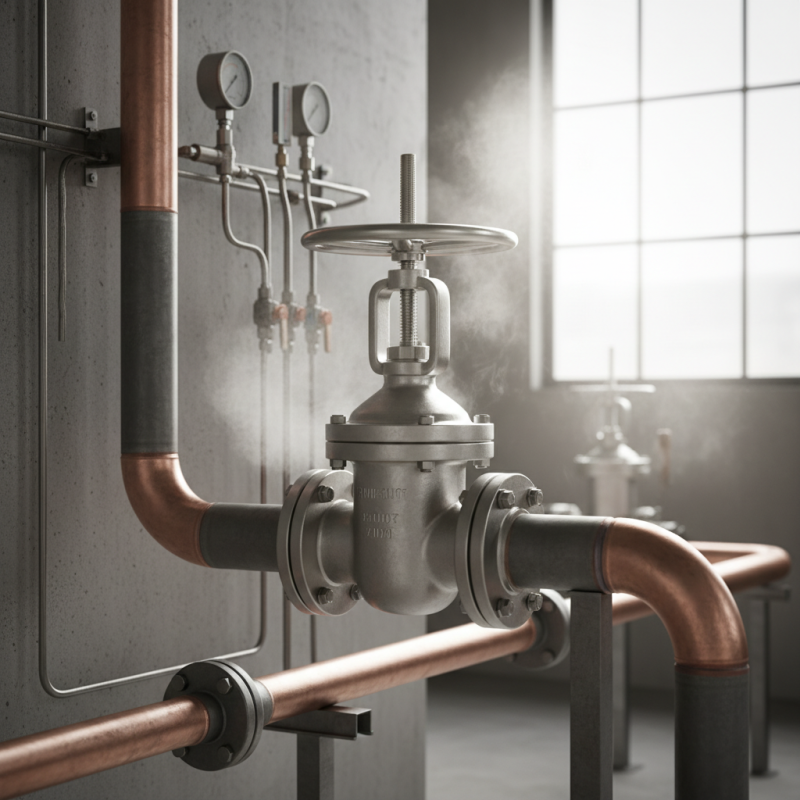
Gate valves are crucial components in many piping systems. They provide a simple and effective way to control fluid flow. These valves work by lifting a gate out of the path of the fluid. This design allows for minimal pressure drop, making them ideal for on/off applications. However, gate valves are not suited for throttling, or regulating flow, as it can damage their sealing surfaces.
Understanding the functionality of gate valves helps to appreciate their role. They typically feature a threaded or rising stem that connects to the gate. When turned, the stem moves the gate up or down. This action fully opens or closes the valve, providing efficient operation. It’s important to note that regular maintenance is necessary to ensure optimal performance over time. Without it, the gate valve could fail to open or close properly.
A common oversight involves using gate valves in inappropriate applications. Many assume they can handle any type of fluid. In reality, gate valves may not perform well with viscous fluids or heavy slurries. This misuse can lead to premature wear. Users must assess the specific conditions before selecting a gate valve for their system. Proper understanding enhances reliability and longevity in piping applications.
Advantages of Gate Valves in Piping Systems
Gate valves are widely recognized for their effectiveness in various piping systems. One significant advantage is their ability to provide a tight seal when fully closed. This feature minimizes leakage during operation. The flow of fluids can be efficiently controlled, which is crucial in many industrial applications. Gate valves are particularly suitable for on/off control. They are not ideal for throttling, as it may cause wear over time.
Another benefit is their simplicity in design. The internal components are straightforward, which results in lower maintenance needs. Users can expect longevity with proper care. Reliable performance is often reported across diverse industries like water treatment and oil refining. However, it's important to note that improper handling may lead to corrosion and malfunction.
Tip: Regularly inspect gate valves to ensure proper function. Monitor for signs of wear or damage. Educate staff on correct operation to foster reliability.
In high-pressure applications, gate valves may struggle with rapid cycling. This challenge can lead to wear, impacting performance. Users should evaluate their specific needs and consider this factor. Proper installation and attention to pressure ratings can mitigate potential issues. Optimizing system design is key to effective operation.
Applications of Gate Valves in Various Industries
Gate valves offer reliable performance in various industrial applications. They excel in on/off service and provide minimal flow resistance. Their straightforward design ensures ease of operation and maintenance. In the oil and gas industry, gate valves manage the flow of crude oil and natural gas. They withstand high-pressure conditions and prevent leaks, enhancing safety.
In water treatment plants, gate valves control water flow effectively. These valves help in isolating different sections of the piping system for maintenance. Their durability against corrosion makes them suitable for handling various fluids. However, proper installation and regular inspections are essential to avoid issues like wear and tear.
Chemical processing facilities also benefit from gate valves. They handle aggressive chemicals while ensuring a tight shut-off. Frequent checks are necessary to ensure functionality, as build-up can affect performance. Investing in high-quality gate valves is crucial for reliable operation across all industries.
Comparing Gate Valves with Other Types of Valves
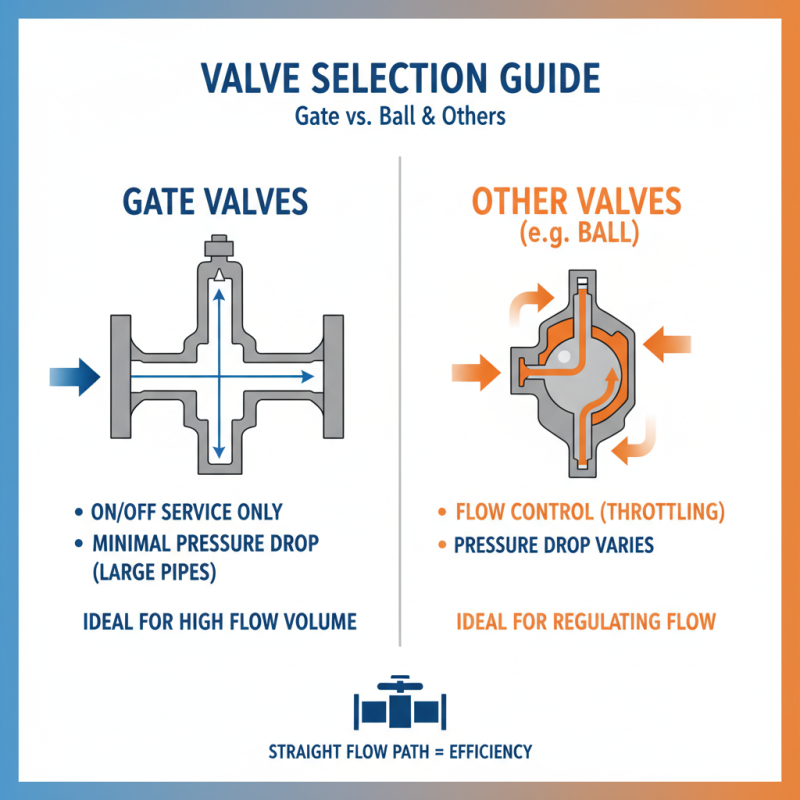
When selecting a valve for your piping needs, gate valves stand out for specific applications. Unlike ball valves, which can control flow well, gate valves are mainly for on/off service. Their design allows for minimal pressure drop across the valve, making them suitable for larger pipelines where maintaining flow volume is critical. Gate valves create a straight path for fluid, enhancing efficiency.
Comparatively, globe valves provide excellent throttling control. However, they can lead to more pressure loss due to their complex internal structure. Butterfly valves, on the other hand, offer a lightweight option for quick shut-off but may not seal as effectively as gate valves. While each valve type has its advantages, gate valves excel in high-flow situations.
In practice, gate valves require some reflection. They work best in fully open or closed positions, but operating them frequently can lead to wear. Users should consider maintenance routines and inspect for leaks. While they are reliable, gate valves may not be suitable for all scenarios. Always evaluate your specific needs before making a decision.
Maintenance and Care Tips for Gate Valves
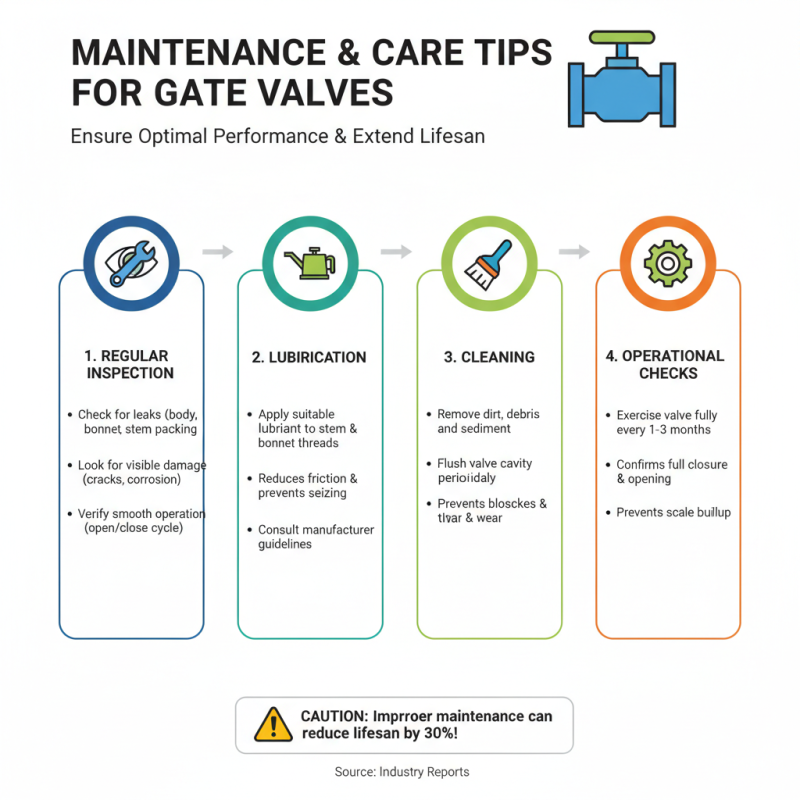
Gate valves are essential in many piping systems, providing reliable control over fluid flow. However, proper maintenance is crucial for ensuring their optimal performance. Regular inspection and care can prevent common issues such as leaks or blockages. According to industry reports, improper maintenance can reduce the lifespan of gate valves by nearly 30%.
For effective maintenance, start by periodically checking the valve for any signs of corrosion. Corrosion can develop quickly, especially in harsh environments. Ensure that the valve is cleaned regularly to remove debris or build-up. Lubricating the stem and threads is also vital; this helps to prevent seizing.
Tips: Utilize a moisture control technique to prolong valve life. Always use appropriate lubricants to avoid rubber degradation. Lastly, consider operating the valve fully open and closed at regular intervals. This action can help keep the internal mechanism free from sticking. Implementing these simple strategies can enhance the longevity and reliability of gate valves in your system.