Top Stainless Steel Valves Suppliers for Global Buyers
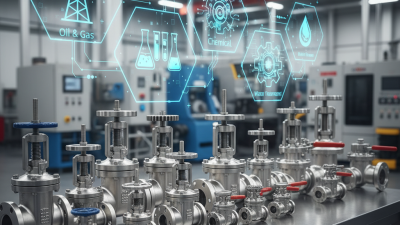
Choosing reliable stainless steel valves suppliers is more complicated than comparing prices on a spreadsheet. A valve may look polished and identical to another unit, yet differ in alloy grade, pressure rating, machining accuracy, or inspection records. Global buyers must examine practical evidence, including mill certificates, heat numbers, hydrostatic test reports, and clear traceability from casting to shipment.
Professor Harry Bhadeshia, a recognized authority on steel metallurgy, explains: “Stainless steel is a family of alloys, not a single material.” That distinction matters. 304 stainless steel may suit clean water systems, while 316 or duplex grades can perform better in chloride-rich environments. The wrong selection can cause pitting, leakage, or premature replacement.
Performance comes first.
This guide, “Top Stainless Steel Valves Suppliers for Global Buyers,” reviews suppliers through an engineering and purchasing lens. It considers product range, manufacturing experience, quality systems, testing capacity, documentation, customization, and after-sales support. Relevant benchmarks may include API, ASME, ISO, and EN requirements, depending on the application and destination market.
However, no ranking is perfect. Supplier websites often present their strongest claims, while weaknesses remain less visible. Buyers should request recent certificates, sample inspection records, reference projects, and realistic delivery commitments. A low quotation can become expensive when tolerances are inconsistent or spare parts arrive late.
The best supplier is not always the largest. It is the partner that understands service conditions, communicates limitations honestly, and delivers stainless steel valves with dependable technical evidence.
Stainless Steel Valve Basics: CF8M, 316L, and ASTM A351 Material Grades
Top Stainless Steel Valves Suppliers for Global Buyers
Stainless steel valve selection starts with the material grade, not the catalog photograph. CF8M is a cast stainless steel grade specified under ASTM A351. It contains molybdenum, which improves resistance to chloride-related corrosion. However, CF8M is not simply a cheaper form of 316L. Casting can create different grain structures, surface conditions, and inspection requirements. 316L is a low-carbon wrought grade. Its reduced carbon content supports better welding performance and lowers the risk of sensitization near welded areas. ASTM A351 is a specification for pressure-retaining castings, not one single alloy. CF8M is one grade within that standard.
In practical valve reviews, I check the heat number, chemical analysis, mechanical results, and pressure-test records. Traceability should continue from the foundry to the finished valve. Surface porosity deserves attention. It may hide beneath rough polishing. Buyers should also confirm temperature, pressure, media concentration, and chloride exposure before approving a grade. A supplier’s material certificate is useful, but independent positive material identification can reveal errors. Specifications are not magic.
Tips: Ask whether the body is cast CF8M or wrought 316L. Confirm trim materials separately. Review ASTM A351 compliance, heat-treatment records, and test standards. Do not assume “316 stainless” explains the carbon level or manufacturing route. Details matter. Some projects over-specify materials, while others save money too early. That judgment needs careful review.
Supplier Qualification: ASME B16.34, ISO 5208, and EN 10204 3.1
Top Stainless Steel Valves Suppliers for Global Buyers
Supplier qualification should begin with documents, then move to physical evidence. ASME B16.34 helps buyers verify valve design, pressure-temperature ratings, materials, and applicable end connections. Check the valve marking against the submitted drawings. A mismatch can expose weak document control.
ISO 5208 test records deserve close attention. Confirm the test medium, pressure, duration, seat direction, and observed leakage rate. Ask whether the stated leakage class matches the purchase specification. A neat report is not proof by itself. Inspectors should compare serial numbers, test dates, and calibrated gauge records. Small details matter.
EN 10204 3.1 certification links stainless steel components to chemical and mechanical results. The certificate should identify the heat number, material grade, delivery condition, and manufacturer’s authorized approval. Trace that heat number onto the body, bonnet, stem, and pressure-containing parts. It sounds basic. It is often missed.
Experienced buyers also review welding procedures, casting controls, passivation records, and nonconformance history. An independent inspection can witness hydrostatic and seat tests before shipment. Still, supplier qualification is not perfect. Standards can be met while communication remains poor. A reliable supplier answers technical questions clearly, admits limits, and corrects records without delay. That behavior is useful evidence.
Comparing Top Global Suppliers by Valve Type, Pressure Class, and Capacity
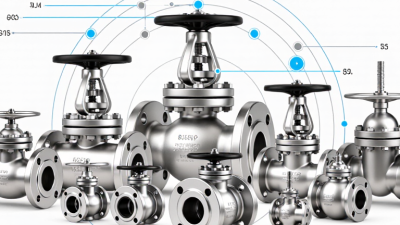
Global buyers should compare stainless steel valve suppliers by application, not catalogue size. Ball valves suit fast isolation, while gate valves support lower-resistance flow control. Globe valves offer finer regulation but can create higher pressure loss. Check body material, trim grade, seal selection, and temperature limits against the process medium.
Pressure class must match real operating conditions, including pressure spikes and thermal cycling. A supplier serving Class 150 applications may not have reliable experience with Class 600 or higher. Request pressure-test records, material certificates, dimensional drawings, and inspection procedures. Capacity also matters. A small workshop may handle twenty valves monthly, while a larger facility can manage container-scale orders with consistent lead times. However, high capacity does not always mean better quality. Details matter.
Tips: Ask for sample certificates and a recent production schedule. Confirm whether quoted capacity covers your valve type, size range, and pressure class. Review response times during technical discussions; unclear answers often become costly delays. Also check spare-part support and packaging for long-distance transport. One overlooked detail is flange protection during sea freight. Ask for photos. Suppliers should explain standards clearly, such as API, ASME, ISO, or applicable regional requirements. Avoid choosing only by price. I have found that the cheapest quotation sometimes excludes testing, documentation, or corrosion-resistant trim. That assumption deserves a second review.
Global Buying Data: Lead Times, MOQ, Certifications, and Total Cost
For global buyers, stainless steel valve sourcing depends on more than the quoted unit price. UN Comtrade 2023 data shows that valves remain widely traded across major manufacturing and industrial markets. However, public trade data rarely separates stainless steel grades, actuation types, or pressure classes. Buyers should request these details directly.
Lead times commonly change with casting schedules, machining capacity, testing, and export documentation.
A standard manual valve may ship within four to eight weeks, while engineered or actuated units can require ten to sixteen weeks. These are working estimates, not promises. World Bank Logistics Performance Index 2023 findings also show that customs, infrastructure, and shipment tracking strongly affect delivery reliability. Ask for a production schedule, inspection date, packing photographs, and a realistic buffer.
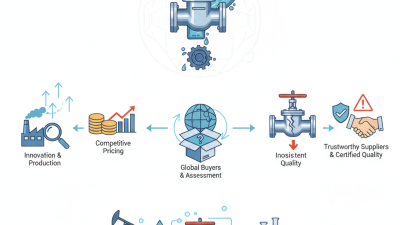
MOQ deserves equal attention. Some factories accept small trial orders, but lower quantities may increase tooling, testing, or packaging costs. Certification must match the application, not merely decorate the quotation. Check material certificates, pressure-test records, ISO 9001 controls, API 598 testing where applicable, and ASME B16.34 design references when relevant. Total cost includes the valve, freight, duties, inspection, spare parts, installation, and failure risk. A cheaper valve can become expensive after one delayed shutdown. I would still challenge any quote with an unusually short lead time and unusually low MOQ. Something may be missing.
Application Fit: Corrosion, Temperature, and Pressure Limits by Industry
Top Stainless Steel Valves Suppliers for Global Buyers
Application fit matters more than polished catalog pages.
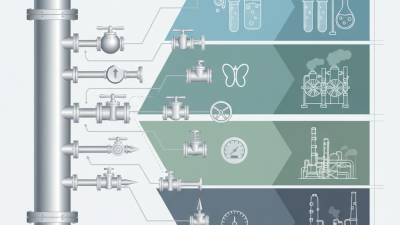
The NACE IMPACT study estimated global corrosion costs at about US$2.5 trillion annually, or 3.4% of global GDP. Stainless steel valves can reduce exposure, but alloy choice remains critical. Chloride-rich seawater may cause pitting in unsuitable grades, especially around welds and stagnant pockets. For coastal water, food processing, and chemical service, buyers should verify molybdenum content, surface finish, and documented corrosion testing.
Temperature and pressure limits must be checked together.
ASME B16.34 defines pressure-temperature rating principles, yet actual service limits also depend on trim, seals, casting quality, and thermal cycling. Steam, cryogenic gas, and high-temperature hydrocarbons create very different demands. A valve rated for 300 psi at ambient conditions may require a lower rating at elevated temperature. Small details matter.
Do not trust one number.
Supplier experience should include traceable material certificates, pressure-test records, and clear derating tables.
API 598 testing can support leakage verification, but it does not replace application engineering. I have seen procurement teams select 316 stainless steel for every wet service. That shortcut is understandable, but incomplete. Concentration, velocity, cleaning chemicals, and dead legs can change performance quickly. Buyers should request an operating envelope, not only a maximum rating. A perfect-looking datasheet can still hide an unsuitable seal or actuator.