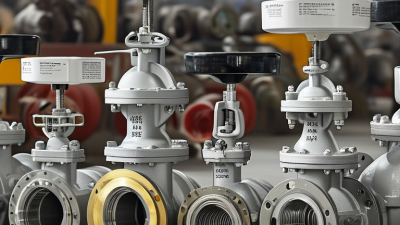
Choosing a reliable valve manufacturer is rarely as simple as comparing catalog prices. In process plants, a wrong selection can cause pressure loss, leakage, vibration, or difficult maintenance. This matters when evaluating gate valve globe valve suppliers worldwide.
R. W. Zappe, co-author of Valve Selection Handbook, emphasized a practical principle: “Valve selection must begin with the service conditions, not the valve name.” That idea remains useful. A gate valve may suit full-open isolation, while a globe valve often offers better throttling control. The difference becomes visible at the worksite: a rising stem, a handwheel, a hot pipeline, or a technician checking flange alignment.
This guide examines seven leading manufacturers through engineering experience and operating evidence. It considers product range, pressure classes, materials, certifications, testing, delivery capability, and after-sales support. Brand reputation alone is not enough. A polished website cannot replace traceable test records or responsive technical assistance.
The comparison also recognizes regional strengths. Some companies excel in oil and gas projects. Others focus on power generation, water treatment, chemical processing, or severe-service applications. Manufacturing scale varies. So does customization.
There is no universal winner. That is the uncomfortable part.
A manufacturer with excellent cryogenic valves may not be ideal for municipal water systems. Likewise, a low-cost supplier may appear attractive until spare parts become difficult to obtain. Readers should verify current specifications, local approvals, and project requirements before making a final decision. This review offers direction, not a substitute for engineering judgment.

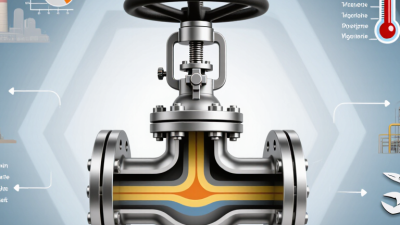
Gate valves and globe valves control fluid movement, but they solve different operating problems. A gate valve lifts a wedge or slab away from the flow path. When fully open, it creates a nearly straight passage with relatively low pressure loss. This makes it useful for isolation in pipelines, water systems, power plants, and process facilities. It should not normally regulate flow. A partly open gate can vibrate, erode, and suffer seat damage.
A globe valve uses a movable disc that travels toward or away from a fixed seat. Its shaped body forces the fluid through a changing path. This produces greater pressure loss, but it offers more reliable throttling and flow adjustment. Operators often use globe valves around steam, cooling water, fuel, and instrumentation systems. The handwheel may feel heavier because the disc works against fluid pressure.
Selection requires more than reading a product catalogue. According to Grand View Research, the global industrial valves market was valued at about 78 billion US dollars in 2023, with continued growth projected through 2030. MarketsandMarkets also reports steady expansion in industrial valve demand, driven by water treatment, energy, and process industries. These figures show market scale, not automatic suitability. That distinction matters. Pipe size, pressure class, temperature, fluid chemistry, cycling frequency, and maintenance access should guide the decision. No rule is perfect. A gate valve may isolate well but respond poorly to control demands; a globe valve may control accurately while consuming more pumping energy. Engineers should verify the final design against applicable ASME and API requirements.
Gate and globe valves serve different control philosophies, even when their bodies look similar. A gate valve lifts its wedge from the flow path, reducing pressure loss during full opening. A globe valve forces fluid through a changing passage, allowing finer throttling. The difference becomes obvious beside a pump: a gate valve opens like a door, while a globe valve behaves more like a brake.
The 2024 Industrial Valves Market report by Grand View Research estimates strong demand through 2030, driven by water treatment, energy, and process industries. That growth does not make every design suitable. Gate valves generally fit isolation duties and straight pipelines. Globe valves handle repeated adjustment, but their longer flow path creates greater pressure loss. In field inspections, this often appears as higher actuator effort, heat, or unstable downstream pressure. Small details matter.
Selection also depends on temperature, fluid cleanliness, cycle frequency, and maintenance access. ISO 15848 data emphasizes fugitive-emission performance, which makes stem sealing important in demanding services. A gate valve may perform poorly when partly open, because vibration can damage the wedge and seats. A globe valve may be safer for control, yet its seat and disk can wear faster under abrasive flow. The boundary is not always clean. Engineers should compare torque charts, leakage classes, materials, and test records from each manufacturer. A low purchase price can hide expensive pressure losses. That lesson is easy to overlook.
When comparing the seven best gate valve and globe valve manufacturers worldwide, avoid judging by product range alone. Grand View Research’s Industrial Valves Market report estimated the global market at about USD 78.7 billion in 2022, with steady growth expected through 2030. A growing market does not guarantee reliable production.
Evaluate experience through verified project records, material expertise, and service history. Ask whether the manufacturer has supplied valves for similar pressure, temperature, media, and operating cycles. Technical documents should identify body materials, trim grades, pressure classes, testing methods, and inspection results. ISO 9001 certification supports quality control, but it is not proof of perfect valve performance. That distinction matters. API 6D or relevant EN standards may be essential for pipeline applications. For globe valves, check flow-control data and seat leakage results. For gate valves, examine sealing performance, actuator compatibility, and maintenance access. I would also review independent test reports, not only factory claims. My own evaluation would still have gaps without field feedback.
Tips: Request three years of failure data, warranty terms, and spare-part lead times. Compare quoted prices with lifecycle costs. Visit the factory when possible. Watch the testing process, not just the showroom. Check serial-number traceability from casting to final inspection. A supplier may offer attractive pricing but weak documentation. That risk is easy to overlook. Use procurement audits and customer references before making a final ranking.
7 Best Gate Valve and Globe Valve Manufacturers Worldwide
Seven leading gate and globe valve manufacturers stand out through tested designs, stable production, and practical field support. Their products serve refineries, power stations, water plants, and chemical facilities. Gate valves usually isolate pipelines, while globe valves regulate flow more precisely. The difference matters when pressure drops and maintenance costs become serious concerns. A strong manufacturer should provide material certificates, pressure-test records, and traceable inspection data.
Tips: Check the valve body material against the fluid, temperature, and operating pressure. Ask for cycle-test results, not only attractive brochures. Confirm face-to-face dimensions before installation. Small mismatches can delay an entire project. Also inspect packing, stem finish, and actuator compatibility. These details often reveal manufacturing discipline.
In practical purchasing, compare seven suppliers by engineering capability, delivery consistency, and after-sales response. Look for documented quality systems and compliance with recognized industrial standards. Experienced manufacturers can explain why a wedge gate valve suits one line, while a rising-stem globe valve suits another. However, no supplier is perfect. Even reliable factories may face delays, specification misunderstandings, or regional service limits. Buyers should review references from similar operating conditions and request clear warranty terms. A careful site inspection still beats confidence based on a polished website.
Gate valves and globe valves serve different duties in industrial systems. Gate valves provide low resistance during full-open service. They suit pipelines, water networks, and process isolation. Globe valves offer better throttling control. Their internal disc manages flow more gradually. This makes them useful for steam, fuel, cooling water, and pressure regulation. Selection should begin with operating temperature, pressure, fluid chemistry, and required flow control. A valve that looks robust may still fail when its trim resists the process medium.
Reliable manufacturers should document materials, pressure ratings, testing, and traceability. Common references include API 600 for steel gate valves and ASME B16.34 for valve design requirements. ISO 5208 and EN 12266 address pressure testing. These standards support comparison, but they do not replace project-specific engineering. Check face-to-face dimensions, end connections, actuator compatibility, and fire-safe requirements where applicable. Field experience shows that installation space is often underestimated. Maintenance access matters too. A perfect specification can still become a poor choice.
Tips: Match the valve body and trim to the fluid. Confirm the pressure class at actual temperature. Request test records and material certificates. Ask how spare parts are identified. Avoid selecting by price alone. A small omission in the datasheet can create a costly shutdown. Recheck flow direction, especially for globe valves. And do not assume every “industrial” valve meets the same standard.
The chart compares the highest ASME pressure class covered by two widely referenced API product standards. API 600 covers steel gate valves from Class 150 through Class 2500, while API 623 covers bolted-bonnet steel globe valves from Class 150 through Class 1500. Gate valves are generally selected for isolation and full-flow service, whereas globe valves are commonly selected where throttling and flow regulation are required. Actual selection should also consider size, temperature, end connections, materials, emissions control, and applicable project specifications.
Reference standards: API 600, Steel Gate Valves—Flanged and Butt-welding Ends, Bolted Bonnets; API 623, Steel Globe Valves—Flanged and Butt-welding Ends, Bolted Bonnets.