2026 Best Globe Valve Manufacturers for Global Buyers
Choosing the right globe valve in 2026 requires more than comparing catalog prices. Global buyers must examine pressure ratings, temperature limits, trim materials, flow control accuracy, and maintenance access. A valve that performs well in a clean-water system may fail quickly in hot steam, corrosive chemicals, or abrasive slurry.
Greg Johnson, a recognized valve-industry educator, expresses the principle simply: “The valve must fit the process.” That practical warning shapes this guide to the 2026 Best Globe Valve Manufacturers for Global Buyers. The strongest manufacturers combine proven engineering, consistent casting quality, accurate machining, and dependable testing records. Their products should also support traceability, international documentation, and responsive after-sales service.
Look beyond polished brochures.
A reliable globe valve manufacturer should explain its design choices clearly. Buyers should ask about body materials, seat leakage testing, actuator compatibility, pressure-temperature charts, and spare-part availability. Certifications matter, but they do not replace factory discipline or field experience. A familiar standard can still hide weak inspection practices.
This ranking considers manufacturers serving power generation, oil and gas, chemical processing, water treatment, and industrial manufacturing. It evaluates technical capability, production scale, customization, delivery reliability, and customer support. Some companies excel in severe-service applications, while others offer better value for standard industrial duties.
No ranking is perfect. Market conditions change, and supplier performance can vary by region. Still, careful comparison reduces costly surprises, such as leakage, difficult handwheel operation, delayed replacement parts, or incompatible materials. The best choice is rarely the cheapest globe valve. It is the valve that performs predictably throughout its intended service life.

What Globe Valves Are and Where They Are Used
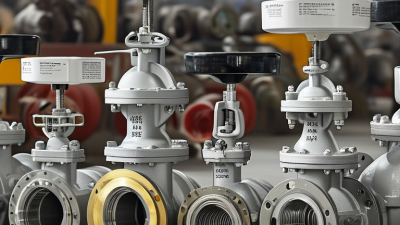
Globe valves are linear-motion valves designed to regulate, start, or stop fluid flow. A movable disc travels toward a fixed seat inside the body. This movement allows precise adjustment, unlike a simple on-off valve. The internal path creates useful throttling control, but it also produces more pressure loss when fully open. That trade-off matters.
In field applications, globe valves are common in steam lines, boiler systems, cooling water circuits, and process piping. Operators use them where flow changes frequently or pressure must be controlled carefully. A handwheel suits manual service, while a pneumatic or electric actuator supports remote operation. HVAC systems may use smaller valves for hot-water balancing. Large industrial lines often need stronger bodies and reinforced trim.
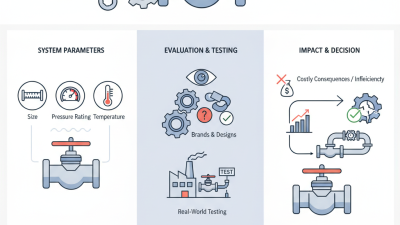
Selection requires more than checking pipe size. Engineers review pressure class, operating temperature, fluid properties, seat materials, and expected cycling frequency. Flow direction also deserves attention. Many conventional designs place pressure beneath the disc, but special services may require another arrangement. A poor choice can cause vibration, leakage, or difficult maintenance. Not always obvious.
Reliable manufacturers should provide test records, material certificates, dimensional data, and clear installation guidance. Buyers should also inspect packing quality and actuator compatibility before shipment. A valve may look robust yet perform poorly with the wrong trim. That is an easy mistake. Careful sizing remains essential, even when the application seems routine.
How to Assess Globe Valve Manufacturers in 2026
Assessing globe valve manufacturers in 2026 requires more than comparing catalog prices. Experienced buyers should inspect design records, production controls, and test evidence. Ask how the manufacturer sizes valves for pressure, temperature, flow rate, and cavitation risk. A practical review includes drawings, material certificates, welding procedures, and inspection plans. Look for traceable heat numbers on bodies, bonnets, and stems. Small details matter.
Request recent hydrostatic and seat-leakage reports, not generic certificates. Confirm the test standard, pressure, duration, and calibrated equipment used. Independent inspection can verify results before shipment. Factory visits reveal more than polished presentations. Watch machining areas, storage conditions, cleanliness, and rejected-part controls. A reliable manufacturer explains failures clearly and records corrective actions. That honesty is valuable. Ask for references from similar services, including steam, hot oil, or corrosive media. Their answers should match actual operating conditions.
After-sales capability deserves equal attention. Check spare-part lead times, technical response, installation guidance, and warranty boundaries. Evaluate whether engineers can review noise, vibration, and actuator compatibility. Digital documentation should remain accessible years after delivery. Cybersecurity matters for connected monitoring systems. I would avoid scoring suppliers on promises alone. A neat factory can still miss a critical inspection. No evaluation method is perfect. Recheck assumptions with witnessed testing and written questions. Cost matters, but an inexpensive valve may create expensive downtime. Choose evidence over confidence, even when the evidence is inconvenient.
Leading Globe Valve Manufacturers for Global Buyers
For global buyers, selecting a globe valve manufacturer requires more than comparing catalog prices. In 2026, procurement teams are examining pressure ratings, trim materials, testing records, and delivery capability together. Experienced manufacturers explain how flow direction, temperature, and throttling frequency affect valve life. They also provide dimensional drawings, material certificates, inspection plans, and traceable test reports. Details matter.
A dependable manufacturer should support the full purchasing cycle, from technical clarification to commissioning feedback. Buyers may need carbon steel, stainless steel, or special alloy bodies for steam, water, chemical, and energy systems. The right supplier confirms standards, flange dimensions, actuator interfaces, and packing selection before production. Factory acceptance testing can include shell tests, seat leakage checks, and visual inspection. Ask for evidence, not promises. Some suppliers respond quickly but offer vague documentation. That is a warning sign. Even strong manufacturers may make mistakes in lead-time estimates or customization notes. Careful review remains necessary.
Global purchasing also depends on communication. Clear drawings, revision control, protective packaging, and realistic shipping schedules reduce installation delays. Manufacturers with trained engineers can investigate abnormal torque, leakage, or noise instead of blaming field conditions immediately. After-sales support should include spare-part identification and practical maintenance guidance. A useful evaluation compares performance under actual service conditions, not only brochure figures. Buyers should record every assumption, because small omissions can become costly rework.
2026 Best Globe Valve Manufacturers for Global Buyers
Pressure classes are a key specification for comparing globe valve suppliers. The chart shows ASME Class pressure ratings at 38°C (100°F) for carbon steel body material, based on commonly used ASME B16.34 rating values.
Pressure ratings: ASME Class 150–285 psi, Class 300–740 psi, Class 600–1,480 psi, Class 900–2,220 psi, Class 1500–3,705 psi, and Class 2500–6,170 psi at 38°C. Final selection must confirm material, temperature, end connection, and applicable standards.
Comparing Designs, Materials, Standards, and Certifications
Globe valve selection for 2026 requires more than comparing catalog pressure ratings. Design details affect control, maintenance, and operating life. Rising-stem valves provide clear position indication but need installation space above the bonnet. Non-rising designs suit restricted areas, although visual inspection becomes less convenient. Bolted bonnets support routine maintenance, while pressure-seal bonnets often suit high-pressure and high-temperature service. A guided disc can improve throttling stability. However, excessive throttling may accelerate seat wear and increase actuator loads.
Material choice should match the fluid, temperature, pressure, and corrosion risk. Carbon steel works well in many general industrial systems. Stainless steel offers stronger resistance against moisture and selected chemicals. Duplex alloys can help in chloride-rich environments, but they require careful welding control. Trim materials deserve equal attention. A durable body cannot compensate for an unsuitable seat or stem. I have seen specifications focus heavily on body material and overlook packing compatibility. That is an expensive mistake.
Global buyers should check applicable standards, including API 600, API 602, ASME B16.34, and relevant testing requirements. Certification should be verified against the destination market, not copied from an old project. ISO 9001 supports quality management, while pressure equipment and hazardous-area requirements may demand additional documentation. Request material certificates, pressure-test records, dimensional reports, and traceability evidence. Paperwork can look complete. It may still hide gaps. Independent inspection, witness testing, and clear acceptance criteria provide stronger purchasing confidence.
Evaluating Prices, Lead Times, Logistics, and After-Sales Support
For global buyers, the best globe valve manufacturer is not always the one offering the lowest quotation. Price comparisons should include valve material, pressure class, trim selection, testing, packaging, and documentation. A cheaper unit may require costly inspection or replacement parts later. Request a line-by-line quotation. Avoid vague terms.
Lead time deserves equal attention. Ask whether production starts after payment, drawing approval, or technical clarification. In my experience, unclear approval points create avoidable delays. A reliable manufacturer should provide a realistic schedule, inspection date, and shipping readiness date. Get it in writing. Small delays compound.
Logistics planning should cover port selection, export documents, crate dimensions, weight, and Incoterms. Check whether valves are protected against moisture, dust, and impact during ocean transport. After-sales support is easier to judge through evidence. Ask for spare-part availability, warranty procedures, remote troubleshooting, and response times in different time zones. A useful supplier can explain failure handling without making exaggerated promises. That matters.
One overlooked issue is technical consistency. The supplier should match drawings, material certificates, pressure-test reports, and nameplate data. Buyers should also confirm local compliance requirements before placing an order. I have seen projects delayed because the paperwork was treated as an afterthought. No selection process is perfect. However, a documented comparison of price, lead time, logistics, and support exposes risks before they become expensive.