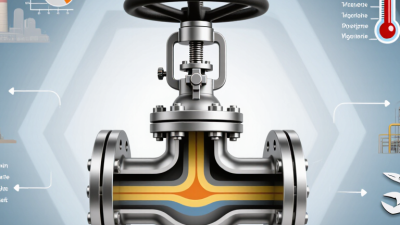
10 Globe Valve Buying Tips for Global Buyers?
Buying a globe valve for an international project is rarely a simple catalog decision. Flow rate, pressure class, temperature, media, and end connections can change the correct choice. A valve that performs well on a clean water line may struggle with steam, corrosive chemicals, or abrasive slurry. Global buyers also face varying standards, documentation practices, delivery terms, and service expectations. Small details matter.
This guide brings together practical checks used by engineers, maintenance teams, and experienced procurement professionals. It examines body materials, trim selection, seat design, actuation, pressure testing, certifications, supplier capability, and lifecycle cost. A clear datasheet should state working pressure, temperature range, leakage requirements, face-to-face dimensions, and inspection records. Ask for traceability. Confirm it.
Before comparing prices, match the globe valve to the actual operating conditions. Request drawings and test reports, then verify them against the project specification. Consider spare parts, local technical support, installation space, and future maintenance. A low purchase price can become expensive when seals arrive late or the actuator is poorly sized.
No checklist is flawless. Site conditions are often less predictable than tender documents suggest. Therefore, this article highlights common buying gaps, including vague material descriptions, unsuitable coatings, unclear warranty limits, and assumptions about international standards. It also encourages direct questions and documented decisions. Reliable purchasing depends on evidence, not confident promises. With disciplined evaluation, global buyers can select a globe valve that controls flow safely, consistently, and economically across its expected service life.
Define the Application, Media, Pressure, Temperature, and Flow Requirements
10 Globe Valve Buying Tips for Global Buyers
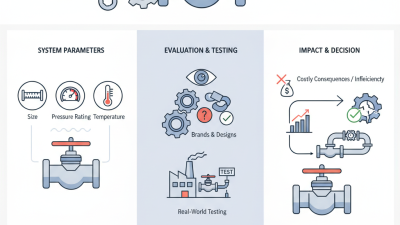
Define the application before comparing valve prices. Is the valve for isolation, throttling, steam service, water treatment, or process piping? A globe valve can regulate flow, but constant throttling may increase wear and energy loss. Identify the media clearly. Water, oil, steam, corrosive chemicals, and gas require different body, seat, and stem materials. Check viscosity, solids, acidity, and cleanliness. Small details matter.
Record the operating pressure, design pressure, and possible pressure surges. Do not select a valve using normal pressure alone. Temperature also needs careful attention. Include startup, shutdown, and cleaning conditions, not only the average temperature. Extreme heat can damage seals, while low temperatures may reduce material toughness. I once saw a specification based on room-temperature data. It looked acceptable, but the service conditions were very different.
Flow requirements should include normal, minimum, and maximum rates. Confirm the required flow coefficient and acceptable pressure drop. An oversized valve may operate near its closed position, causing unstable control. An undersized valve can restrict production and create noise. Check pipe size, connection standards, actuator space, and installation direction. Ask for material certificates, pressure-test records, and inspection documents. These records support reliable international purchasing. Still, specifications are not perfect; field conditions can expose assumptions that a spreadsheet misses.
Choose the Globe Valve Design, Size, Material, and Pressure Class
Choosing a globe valve for international service requires more than matching a pipe diameter. The valve must suit the process, installation space, and operating habits. A rising-stem design offers clear visual position indication, while a compact design can help in crowded piping areas. Consider flow direction carefully. Incorrect installation may increase turbulence, noise, and seat wear.
Tip: Confirm the nominal size, connection standard, face-to-face dimension, and actuator clearance before ordering. A valve that fits the pipe may still fail to fit the plant.
Material selection should follow the fluid, temperature, and corrosion risk. Carbon steel may suit general utility service, while stainless steel can provide better resistance in aggressive environments. For high-temperature steam, inspect the body, trim, packing, and gasket materials together. One weak component can reduce the whole valve’s reliability. I have seen projects focus on body material and overlook packing compatibility. That mistake is expensive to correct after installation.
Tip: Ask for material certificates, pressure-test records, and a clear trim description. Do not accept “standard material” without written details.
Pressure class must match the actual pressure-temperature rating, not only the line pressure. Check the applicable standard and derating tables. A Class 300 valve may not maintain the same allowable pressure at elevated temperatures. Also verify shutoff requirements, flow coefficient, and expected cycling frequency. Some purchasing teams choose a larger valve for safety, but oversizing can reduce control accuracy and cause unstable operation. Recheck the calculation. Human assumptions are often the weakest part of the specification.
Evaluate Trim, Actuation, Sealing, Standards, and Certification Needs
Buying globe valves for international projects requires more than matching pipe size. In field reviews, trim selection often decides service life. Stainless trim suits many corrosive fluids, but chemistry, temperature, and velocity matter. Hard-facing can reduce erosion during throttling service. It can still crack under unsuitable thermal cycling. Small details matter. Ask for pressure-temperature tables, flow coefficients, material certificates, and test records. Check whether the stated standard covers design, testing, or both. Common frameworks include ASME, API, ISO, and EN, but project specifications should control.
Actuator selection should reflect torque, stroke time, failure position, and available instrument air. Electric units need enclosure ratings and verified cycle performance. Pneumatic units need clean, dry air. Not every seal serves every medium. PTFE may perform well across broad temperature ranges, while elastomers require chemical compatibility checks. Metal seals can tolerate heat, yet they may need tighter installation control. Request fugitive-emission data when leakage has serious consequences. Certification should be traceable to the exact valve configuration. Review nameplates, serial numbers, calibration dates, and inspection scope. A certificate without traceability is weak evidence. I have seen procurement teams trust brochures too quickly. That is a costly assumption. Leave room for independent inspection and a documented acceptance test.
Compare Manufacturers, Quality Controls, Pricing, Lead Times, and Support
10 Globe Valve Buying Tips for Global Buyers
Compare manufacturers through documented capability, not polished brochures. Request material certificates, traceability records, welding procedures, and recent pressure-test reports. ISO 5208 defines valve pressure-testing and leakage criteria, while ASME B16.34 addresses pressure-temperature ratings and construction requirements. Ask whether each shipment receives independent inspection. A factory photograph proves little.
Quality has a price, but price alone is a weak filter. Compare body material, trim grade, coating, actuator compatibility, testing scope, packaging, and warranty terms. A cheaper quotation may exclude inspection, spare parts, or export documentation. UNCTAD’s Review of Maritime Transport 2024 reported 2.4% growth in seaborne trade during 2023. That demand can tighten capacity and raise freight exposure. Request three price options: production cost, delivered cost, and estimated lifecycle cost. Keep assumptions visible.
Lead time must include engineering approval, inspection, port handling, and customs clearance. The World Bank’s 2023 Logistics Performance Index shows major differences in shipment reliability between countries. Build buffer days into critical projects. Confirm factory capacity with a dated production schedule, not a verbal promise. Support also matters after delivery. Require response times, installation guidance, replacement-part availability, and a named technical contact. I have seen buyers focus heavily on discounts, then struggle with small documentation errors. That is an avoidable weakness. No checklist is perfect. Recheck the details that seem obvious.
Verify Global Shipping, Documentation, Installation, Maintenance, and Warranty
10 Globe Valve Buying Tips for Global Buyers?
Global valve buying starts before the purchase order. Confirm the seller’s shipping experience, export packaging, and delivery terms. Ask whether the valve will travel by sea, air, or road. Wooden crates need proper treatment and moisture protection. Small errors can create large delays.
Request complete documentation before payment. This may include material certificates, pressure test records, dimensional drawings, inspection reports, and operating instructions. Check that model numbers match the valve, crate, invoice, and certificates. They should match exactly. Also verify destination requirements with your customs broker. A missing document can hold equipment at a port for weeks.
Installation guidance must suit your pipeline, fluid, pressure, temperature, and flow direction. Confirm flange dimensions and actuator requirements before delivery. Maintenance instructions should explain inspection points, sealing replacement, lubrication, and safe isolation. Warranty terms deserve equal attention. Ask what the warranty covers, how claims are submitted, and who pays return freight. Do not accept vague promises. A practical service response time matters. Field experience shows that buyers often focus on price and overlook support. I have seen this mistake become expensive. A perfect checklist does not exist, so review the purchase with an installer and a maintenance technician. Their questions may expose gaps that a sales document misses.
10 Globe Valve Buying Tips for Global Buyers
Recommended verification checkpoints for international globe valve purchases. The values represent the number of evidence items to confirm in each buying area, rather than market-share or company-performance data.
Key references commonly used in valve procurement include ASME B16.34 for industrial valves, API 598 or ISO 5208 for pressure testing, Incoterms® 2020 for delivery responsibilities, and the applicable project, local safety, and customs requirements.