2026 How to Choose and Use a Trunnion Valve Effectively?
Choosing the right trunnion valve is crucial in various industrial applications. These valves are designed for pipeline use and can handle high pressures. Their unique design provides better support and stability. However, not all trunnion valves are created equal.
Consider the intended application before making a purchase. It's essential to evaluate the pressure and temperature characteristics. Ensure the valve materials are suitable for the medium being transported. Companies often overlook these details, leading to costly replacements. Quality and durability are paramount factors for effective valve operation.
Using a trunnion valve correctly enhances its lifespan. Routine maintenance is necessary to avoid malfunctions. Operators should be trained to identify early signs of wear. Moreover, underestimating these procedures can result in significant downtime. Always consult manufacturing guidelines for best practices, as each valve type may have unique requirements. Making informed decisions is key to maximizing the benefits of your trunnion valve.
Understanding Trunnion Valve Basics and Applications
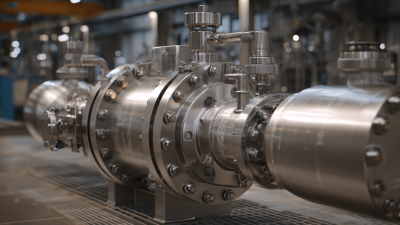
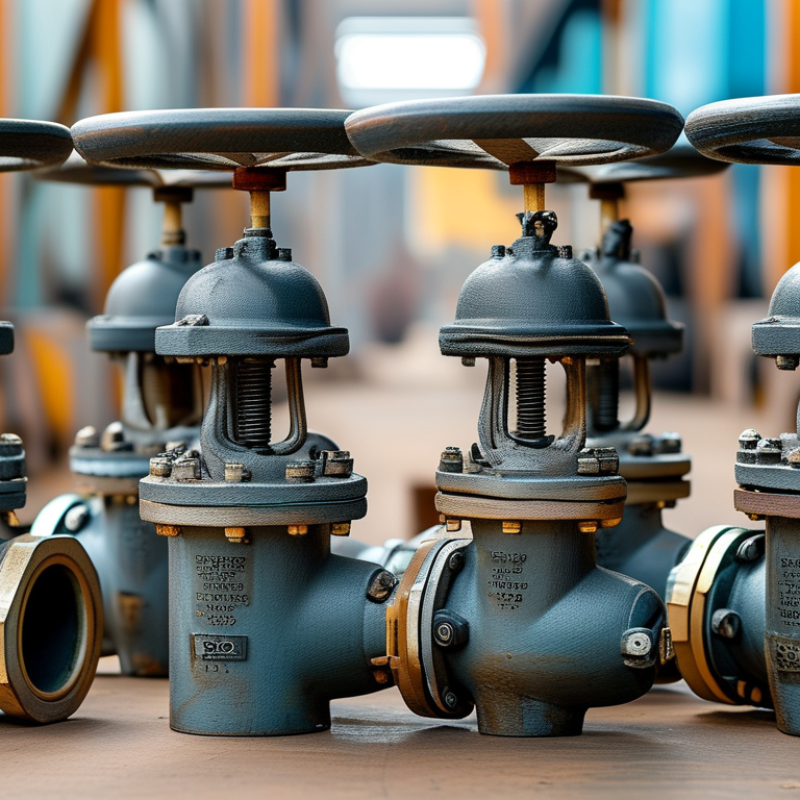
When discussing trunnion valves, it's essential to grasp their components and functions. A trunnion valve features a fixed shaft that allows for greater stability and less wear compared to traditional floating valves. This design is critical in high-pressure applications, where leaks can have serious consequences. Understanding these basics helps users select the right valve type. Consider the specific needs of your application.
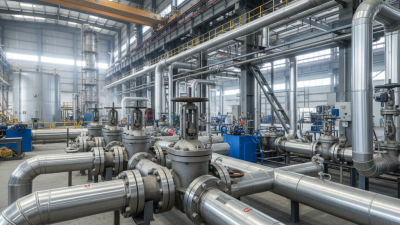
Trunnion valves are found in various industries, including oil and gas, water treatment, and chemical processing. Their robust construction supports heavy-duty operations. However, it's crucial to ensure the installation is done correctly. Improper alignment or pressure settings can lead to failures. Regular maintenance checks also play a vital role in the effective use of these valves.
Another aspect worth mentioning is the need for training. Operators should understand the valve's mechanics for a safe working environment. Communication between teams often gets overlooked. Yet, it’s vital for troubleshooting and optimizing performance. Engaging in continuous learning can help bridge knowledge gaps.
Key Factors for Selecting the Right Trunnion Valve
When selecting a trunnion valve, several key factors must be considered to ensure optimal performance. One primary consideration is the material of the valve. Common materials include carbon steel and stainless steel. The chosen material should match the fluid's characteristics. For example, corrosive substances require more robust materials. According to industry reports, 75% of valve failures stem from material incompatibility. This highlights the importance of material selection in valve longevity.
Another critical factor is the valve size and pressure rating. Ensuring the valve fits correctly within the system is vital. An ill-fitting valve can lead to leaks or failures, costing companies significant downtime. Current studies suggest that nearly 40% of maintenance issues in pipeline systems can be traced back to improper valve sizing. It’s essential to use accurate calculations and expert recommendations when determining these specifications.
Lastly, installation practices greatly affect the valve's overall efficiency. Proper installation ensures that the valve operates as intended. According to data from industry surveys, poor installation can reduce a trunnion valve's lifespan by up to 30%. Regular training for installation teams can mitigate these risks. Creating an environment where continuous learning is encouraged could lead to better installation outcomes and reduced operational headaches.
Installation Guidelines for Trunnion Valves
Installing trunnion valves requires careful consideration of several key guidelines to ensure optimal performance. Proper alignment is crucial. Misalignment can lead to leakage or even valve failure. According to industry reports, nearly 30% of valve issues stem from installation errors. This statistic highlights the importance of precision during setup.
When sealing, use suitable materials that match the application’s pressure and temperature. Incorrect materials can compromise integrity. For instance, in high-pressure systems, using appropriate seals can prevent up to 85% of potential leaks. Ensure all components are clean before assembly. Contaminants can interfere with valve operation.
Regular maintenance is also essential. Inspections should occur at least quarterly. Many operators overlook this step, which can lead to unexpected downtime. Reports indicate that preventative maintenance can reduce operational costs by 20%. A key focus should be on monitoring the valve's performance and immediately addressing any signs of wear or malfunction. Being proactive can enhance the valve's lifespan significantly.
Best Practices for Operating Trunnion Valves
When operating trunnion valves, awareness of operational best practices is essential. These valves are designed for high-pressure applications, and mishandling can lead to serious issues. Operators must understand the valve’s design and functionality to ensure safety and efficiency.
Tips: Always inspect the valve for signs of wear or damage before operation. Small leaks can indicate a bigger problem. Regular maintenance checks can prevent significant failures down the line.
Proper control of the valve is crucial. Adjustments should be made gradually to avoid shock loads. This ensures consistent performance and reduces wear over time. Operators should also be trained on emergency procedures for quick action in case something goes wrong.
Tips: Familiarize yourself with the valve's manual. This resource is valuable for troubleshooting. Don’t hesitate to seek mentorship or further education on valve operations.
Understanding the environment where the trunnion valve operates is also vital. Temperature and pressure fluctuations can impact performance. Operators should monitor these conditions closely and make adjustments accordingly.
Maintenance and Troubleshooting Tips for Trunnion Valves
Trunnion valves, commonly used in high-pressure applications, require careful maintenance for optimal performance. Regular inspections are essential. According to recent industry reports, nearly 30% of valve failures are linked to inadequate maintenance. This highlights the importance of a structured maintenance schedule.
Lubrication plays a crucial role in ensuring the valve operates smoothly. Recommended intervals for lubrication depend on the specific environment and usage. Harsh conditions may require more frequent maintenance. Using the right type of grease can extend the life of the valve. Inspect seals regularly as wear or damage can lead to leaks.
Tips for maintenance:
- Conduct routine visual inspections.
- Test the valve's operation monthly.
- Keep good records of service and repairs.
Troubleshooting issues early is vital. If you notice unusual noises or leaks, investigate immediately. Delaying repairs can escalate problems, increasing downtime. A proactive approach ensures
long-lasting performance and reliability of trunnion valves in your system.