What Are the Best Industrial Valves Made in China?
Choosing the best industrial valves made in China requires more than comparing prices or polished product photos. A reliable valve must match the medium, pressure, temperature, pipe size, and operating cycle. In a chemical plant, a small sealing weakness can become a visible leak around a flanged joint. In a water-treatment facility, poor coating may appear first as rust under a handwheel.
Industrial valve consultant and author James R. Couper wrote, “Valve selection begins with the process, not the catalogue.” This principle remains practical. Chinese manufacturers now produce ball, gate, globe, butterfly, check, and control valves for demanding applications. However, quality varies between factories, product lines, and inspection systems.
The strongest suppliers usually provide traceable materials, pressure-test records, dimensional reports, and clear standards documentation. Look for evidence of ISO 9001 systems, applicable API or ASME compliance, and independent inspection when the project risk justifies it. Ask how the manufacturer tests body integrity, seat leakage, actuator performance, and coating thickness.
Yet certification alone is not proof of long-term field performance. A beautifully stamped certificate cannot compensate for weak machining or inconsistent assembly. That is an uncomfortable point.
This guide examines leading Chinese industrial valves by construction, application, testing, customization, and after-sales support. It also considers practical warning signs, including vague material grades, unusually low quotations, and delayed technical answers. The best choice may not be the cheapest valve. It is the valve that performs predictably when pressure rises, maintenance access is limited, and failure has real consequences.
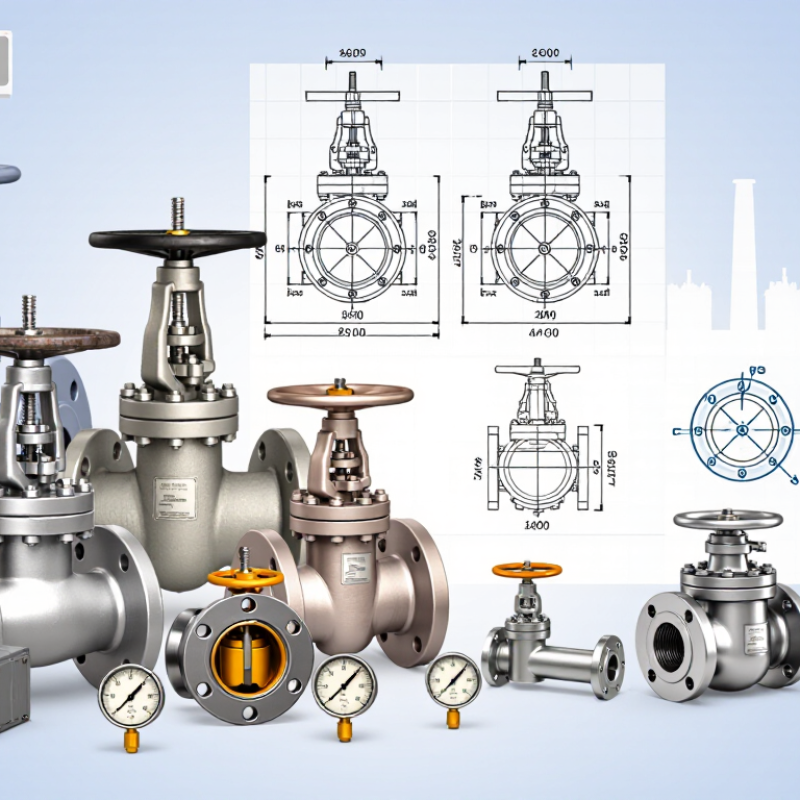
Types of Industrial Valves Manufactured in China
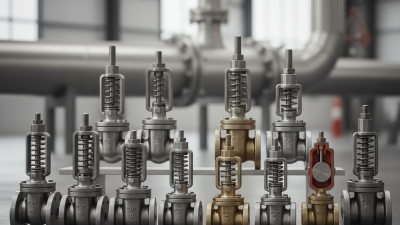
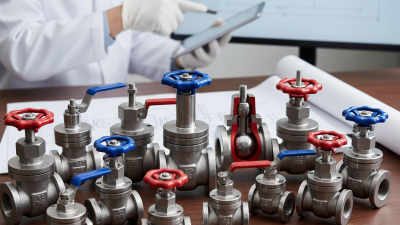
China manufactures a broad range of industrial valve types for water, energy, chemical, and process applications. According to Grand View Research’s Industrial Valves Market report, the global market was valued at about USD 78.8 billion in 2023.
Gate valves isolate pipelines effectively.
Globe valves provide more precise throttling.
Ball valves offer fast, quarter-turn shutoff.
Butterfly valves reduce weight and installation space.
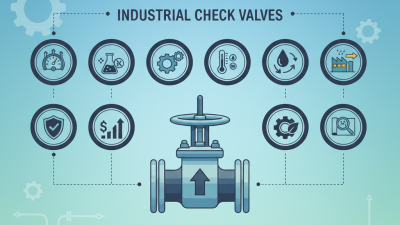
Check valves stop reverse flow.
Diaphragm and pinch valves handle corrosive fluids or suspended solids.
Pressure matters.
Many Chinese manufacturers produce cast, forged, and fabricated valve bodies, with materials such as carbon steel, stainless steel, and ductile iron.
Control valves require careful sizing, especially when flow changes frequently.
Safety and relief valves protect equipment from excessive pressure. Selection should match the fluid, temperature, pressure rating, cycling frequency, and maintenance access.
Testing matters more than a polished finish.
Buyers should request material certificates, shell tests, seat-leakage results, dimensional records, and serial traceability. Relevant requirements may include API, ASME, ISO, or GB/T standards.
UN Comtrade data for HS 8481 consistently places China among the leading exporters of taps, cocks, and valves. However, export volume does not prove field performance. A valve may pass factory testing yet fail after poor installation.
No valve is best everywhere.
Real operating evidence should outrank catalogue claims, while coating quality, documentation, spare parts, and service response deserve equal attention.
Key Materials and Manufacturing Standards
What Are the Best Industrial Valves Made in China?
Key Materials and Manufacturing Standards
Industrial valve quality begins with material selection, not surface polish. Carbon steel suits many water, steam, and oil applications. Stainless steel performs better in corrosive or coastal environments. Ductile iron offers strength at a practical cost. Alloy steel can support higher temperatures and pressures. Seat and gasket materials also require careful matching. PTFE handles many chemicals, while graphite tolerates intense heat. Elastomers need compatibility checks with the working medium. A bright finish proves little. Records matter.
Reliable factories connect design, production, and testing through documented controls. ISO 9001 supports process consistency, but it cannot guarantee perfect performance. Pressure tests should follow applicable standards, including ISO 5208, API 598, or relevant GB/T requirements. GB/T 12224 covers general industrial valve requirements, while GB/T 13927 addresses pressure testing. Shell and seat tests can expose casting pores, seal damage, or misalignment. Critical orders may require radiography, ultrasonic inspection, and positive material identification. Each heat number should remain traceable from raw material to final report.
In China, capable manufacturers often combine CNC machining, controlled casting, qualified welding, and calibrated test equipment. Buyers should examine pressure ratings, temperature limits, leakage classes, coatings, and spare-part plans. Request material certificates and calibration records. Factory acceptance testing adds useful evidence. It should not replace independent inspection. No factory is perfect. In practical sourcing work, paperwork sometimes looks complete while a small machining error causes uneven sealing. That detail deserves attention. A final seat test should record the actual pressure, duration, and leakage result.
What Are the Best Industrial Valves Made in China? - Key Materials and Manufacturing Standards
Chromium content is a practical indicator of oxidation and corrosion resistance in commonly specified cast valve alloys. Values below are the midpoint of the nominal chromium ranges defined for representative grades.
CF8M is a cast 316 stainless steel grade covered by ASTM A351. Duplex 4A and super duplex 5A grades are covered by ASTM A995 and provide higher chromium content than austenitic 316 stainless steel. Material selection should also consider pressure, temperature, chloride exposure, erosion, and process chemistry. Common manufacturing and testing references include ASME B16.34, API 600, API 6D, ISO 5208, and EN 12266-1.
Leading Chinese Industrial Valve Applications
Chinese-made industrial valves serve demanding applications across water treatment, power generation, chemical processing, mining, and building services. In practical project reviews, performance depends on application fit rather than origin alone. Water plants commonly use resilient-seated gate valves for isolation and butterfly valves for large pipelines. Chemical facilities require corrosion-resistant alloys, reliable seals, and precise flow control. Power stations often specify globe valves for steam regulation and check valves for preventing reverse flow.
Mining sites expose valves to abrasive slurry, pressure changes, and difficult maintenance conditions. Pinch valves and lined designs can reduce wear in these lines. Food-processing facilities need smooth internal surfaces and materials suitable for frequent cleaning. Oil and gas systems may require forged bodies, fire-safe construction, and strict pressure testing. Small details matter, such as actuator response time and drain placement.
Reliable purchasing involves more than comparing prices. Engineers should review pressure ratings, temperature limits, material certificates, inspection records, and traceability documents. Factory testing should include shell tests, seat leakage checks, and actuator verification. Field feedback also deserves attention. A valve may pass inspection yet perform poorly when installation space is limited. No valve is perfect. Even a minor sizing mistake can cause noise, vibration, or premature seal failure. Regular maintenance plans and accessible spare parts help keep Chinese industrial valves dependable in real operating conditions.
How to Evaluate Chinese Valve Manufacturers
Choosing the best industrial valves made in China requires more than comparing prices. The manufacturer’s process matters just as much as the final product.
Start by checking technical experience with your valve type, pressure class, temperature range, and operating medium. Ask for drawings, material specifications, inspection plans, and recent test records. A serious factory should explain how it controls casting, machining, assembly, and pressure testing.
Look closely at traceability. Each valve should connect to material certificates, heat numbers, inspection results, and a clear production date. During a factory visit, inspect machining areas, calibration labels, storage conditions, and final testing equipment. Small details often reveal large weaknesses. I once saw excellent paperwork beside poorly protected sealing surfaces. That mismatch deserves attention.
Independent certification can support your review, but certificates should be verified with the issuing organization. Request references from projects with similar pressure and service conditions. Ask how the manufacturer handles leakage, delayed parts, warranty claims, and technical changes. The answer may be more useful than a polished brochure.
Do not ignore communication. Engineers should respond with precise dimensional and material information, not vague promises. Sample testing is valuable, although one successful sample cannot prove consistent mass production. Factory audits also have limits; conditions may improve temporarily before an inspection. Keep checking.
A dependable supplier usually provides controlled documents, trained inspectors, calibrated instruments, and realistic delivery commitments. The cheapest quotation can become expensive when replacement valves stop a production line.
Quality Control, Certification, and Export Considerations
What makes an industrial valve reliable is not its country of origin alone. Quality control must be visible at every production stage. A dependable Chinese manufacturer should provide material certificates, heat-number traceability, dimensional records, and pressure-test reports. Inspectors should verify body materials before machining begins. They should also witness shell and seat tests under documented conditions.
Certification requires careful interpretation. ISO 9001 supports quality management, but it does not certify every valve design. Depending on the application, buyers may need API, ASME, EN, or other relevant approvals. CE marking can apply to certain pressure equipment sold in the European market. The certificate must match the exact model, size, pressure class, and material. Check the issuing body. Do not trust a scanned logo alone.
Export preparation involves more than loading crates. Valves need corrosion protection, sealed openings, clear labels, and strong wooden cases for long transit. Packing lists should match quantities and serial numbers. Export documents must state specifications accurately, including flange standards and actuator details. In my experience, small document errors create uncomfortable delays. No process is perfect. Even a qualified supplier can miss a paint defect or confuse one gasket material. Independent pre-shipment inspection adds useful resistance to that risk, especially for large orders or critical pipelines.