Blogs | Steelstrong Valves

Why Choose a Submersible Drainage Pump?

When water collects in a basement, utility pit, or construction trench, removing it quickly can protect equipment and limit disruption. A Submersible Drainage Pump works while immersed, drawing water through its intake and pushing it through a discharge hose. Because the motor and pump body sit below the waterline, the setup can be compact and practical where floor space is limited. No separate priming step is usually needed, though the manufacturer’s instructions should always guide installation and use.

The right pump can handle routine drainage with less fuss, but the details matter. Check the required flow rate, lift height, solids-handling capacity, power supply, and hose diameter against the site conditions. A pump suited to clear seepage may clog when water carries grit, leaves, or small debris. Keep the intake clear, use a stable surface where possible, and inspect cables and connections before operation. Small checks help.

There are limits. A drainage model may not be designed for sewage, corrosive liquids, or continuous heavy-duty service. Choosing solely by horsepower can also lead to poor performance if the discharge route is too long or the lift is too high. This guide explains why submersible drainage pumps are often chosen, what their practical advantages are, and which specifications deserve a closer look. The right choice is not always the largest one. It is the pump that matches the water, the site, and the work ahead.
Why Choose a Submersible Drainage Pump?

What Is a Submersible Drainage Pump?

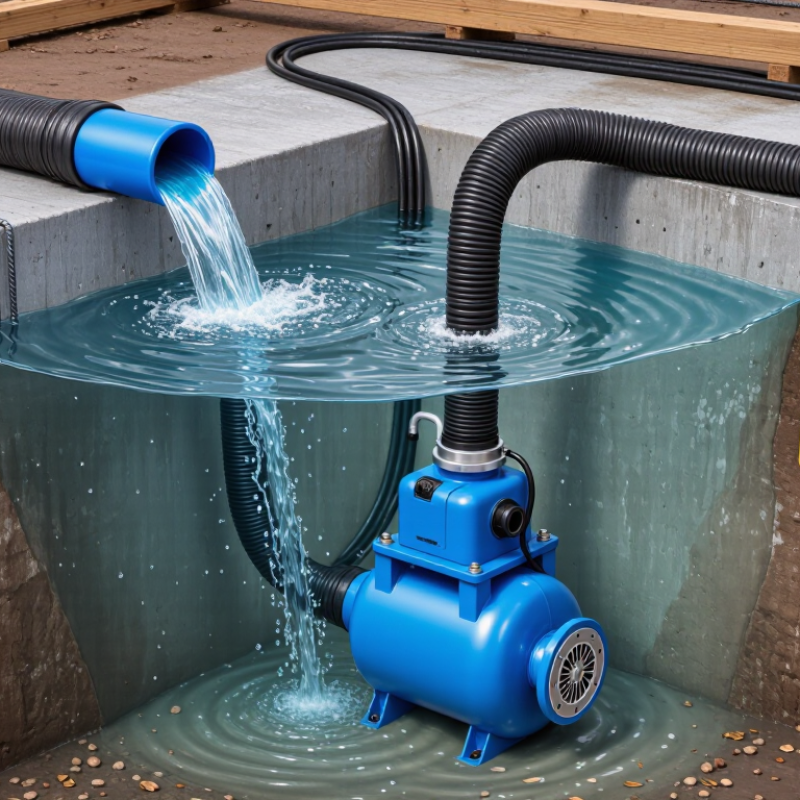
A submersible drainage pump is a compact water-moving machine designed to work while submerged. Its sealed motor sits beneath the waterline, while an inlet draws water into an impeller and sends it through a discharge hose. You may see one in a basement sump, a flooded utility room, or a shallow construction pit. No priming is usually needed. The pump must still remain within its specified operating depth and water-temperature limits.

Many drainage models use a float switch to start when water rises and stop when the level falls. Check the pump’s flow rate at the required discharge height, not just its maximum flow figure. A long hose, narrow pipe, or steep lift can reduce actual output. The U.S. Department of Energy’s Improving Pumping System Performance: A Sourcebook for Industry estimates that pumping systems use nearly 20% of global electricity demand. That broad estimate is not specific to drainage pumps, but it highlights why correct sizing matters.

Drainage pumps generally handle water with limited solids; they are not automatically suitable for sewage or water containing large debris. Check the manufacturer’s particle-size limit and clean the intake screen, especially after muddy flooding. Never let a pump run dry unless its instructions allow it. Still, a pump alone may not solve recurring water entry. The cause of seepage can be easy to miss.

How Does a Submersible Drainage Pump Work?

Why Choose a Submersible Drainage Pump?
How Does a Submersible Drainage Pump Work?

A submersible drainage pump works while sitting in the water it removes. Its sealed electric motor turns an impeller, which draws water through an intake grille and pushes it into the discharge pipe. Inside the pump casing, the water’s movement becomes pressure. A float switch may start and stop the pump as the water level rises and falls. Not every model uses one, so check the pump’s controls before installation.

The U.S. Department of Energy’s Improving Pumping System Performance sourcebook reports that pumping systems account for nearly 20% of global electricity demand. That figure covers pumping broadly, not drainage pumps alone, but it highlights why correct sizing matters. A pump that is too powerful can cycle frequently; one that is undersized may struggle with lift height or debris. The Hydraulic Institute’s ANSI/HI 11.6 standard describes performance testing for submersible pumps, offering a useful reference when comparing rated flow and head. Real site conditions still matter.

Tips: Keep the intake clear, use a discharge hose sized for the outlet, and test the float switch in a bucket before relying on it. A small oversight—like a kinked hose—can reduce flow.

Why Choose a Submersible Drainage Pump?

How does it work? A submersible pump sits in the water and uses an electric motor to drive an impeller, moving water through the discharge outlet. The chart shows how water depth increases the surrounding hydrostatic pressure.

Gauge pressure is calculated for fresh water using P = ρgh, approximately 9.81 kPa per metre of depth. Actual pump flow depends on the pump’s performance curve and system losses.

What Are the Main Advantages of Submersible Drainage Pumps?

Why Choose a Submersible Drainage Pump?
What Are the Main Advantages of Submersible Drainage Pumps?

A submersible drainage pump operates beneath the water surface, close to the liquid it moves. This setup can reduce suction-line problems and usually avoids manual priming. In a flooded basement, for example, the pump can sit in a shallow collection pit and send water through a discharge hose. No separate pump room is needed. Its enclosed motor is designed for submerged use, while the surrounding water can help carry away heat. Actual performance depends on the model and operating conditions.

These pumps can also keep noise and spray lower than many surface-mounted arrangements. Models designed for drainage may pass suspended particles, but allowable particle size varies. Check the specification before pumping muddy water. The U.S. Department of Energy’s Improving Pumping System Performance sourcebook reports that pumping systems can account for 25–50% of energy use in some industrial facilities. That figure is not specific to drainage pumps, but it shows why matching pump capacity to the job matters: oversizing can waste energy.

Convenient, yes—but not maintenance-free. A float switch can automate operation, though debris may obstruct it. The U.S. EPA’s 2022 Clean Watersheds Needs Survey estimated $630.1 billion in water infrastructure needs over 20 years, underscoring the scale of wastewater and stormwater challenges. For a particular site, verify lift height, flow rate, solids handling, and safe electrical installation. A pump that is easy to lower into water may still be the wrong pump for the task.

Where Are Submersible Drainage Pumps Commonly Used?

Submersible drainage pumps are commonly used wherever water collects below a safe discharge point. In basements, they remove seepage or water after a burst pipe, helping protect stored materials and electrical equipment. A compact pump can sit in a sump pit and switch on as water rises. Small details matter: a float needs room to move, and sediment can block the inlet.

Construction sites use them in excavations, lift pits, and temporary drainage sumps. Rain can fill a trench overnight. A pump can keep the work area accessible, but muddy water may carry sand or gravel that wears components quickly. Check the permitted solids size and discharge capacity against actual conditions. The hard part is that site water rarely matches a neat specification. That matters.

They also appear in stormwater chambers, parking garages, utility vaults, and low areas near roads, moving runoff to a drain or holding tank. Some farms and landscaping projects use them to empty shallow ponds or flooded channels. For relatively clean water, many models work well; for sludge or fibrous debris, a drainage pump may be the wrong tool. Confirm water depth, hose length, lift height, and power supply before installation. Water levels change fast.

Why Choose a Submersible Drainage Pump? - Where Are Submersible Drainage Pumps Commonly Used?

Application Typical Location Typical Water or Liquid Why a Submersible Pump Is Useful Selection Consideration
Basement and utility-room drainage Residential basements, elevator pits, and building service areas Groundwater, seepage, or rainwater, usually with limited solids The pump sits in a sump and can remove collected water without needing a surface-mounted suction line. Check sump dimensions, automatic float-switch operation, discharge-head requirements, and access for maintenance.
Construction-site dewatering Excavations, trenches, foundation pits, and temporary work areas Rainwater and groundwater; water may contain sand or other abrasives A submerged unit can be placed close to the water being removed, helping drain low points in confined areas. Match the pump to the required flow and lift; verify solids-handling limits and material suitability for abrasive water.
Stormwater and floodwater removal Flooded rooms, parking areas, drainage sumps, and low-lying outdoor spaces Rainwater that may carry leaves, grit, or other debris Submersion avoids the need to prime a typical surface suction pump and allows water to be collected from low points. Choose an appropriate debris-passing capacity, protect the intake from blockage, and use suitable electrical protection in wet areas.
Wastewater and sump drainage Commercial buildings, service pits, and wastewater collection chambers Dirty water or wastewater, depending on the pump design The pump operates within the collected liquid, which can simplify installation where a dedicated wet well or sump is available. Confirm whether the model is rated for wastewater, the permitted solids size, and any required screening or maintenance procedures.
Drainage of tanks and reservoirs Water-storage tanks, reservoirs, and process sumps Stored water or compatible process water A compact submerged pump can draw water from within the tank without occupying much floor space outside it. Check the liquid’s temperature and chemical compatibility, minimum operating water level, and required discharge connection.
Fountains and water features Decorative ponds, fountains, and display-water systems Recirculating water, generally with low levels of suspended solids Submerged placement can keep equipment discreet and move water directly within the feature. Use a pump intended for continuous operation and the specific water feature; follow electrical and water-safety requirements.

Pump suitability depends on flow rate, total head, liquid temperature, solids content, materials, and installation conditions. Check the pump’s rated specifications before use.

What Factors Should Guide Your Pump Selection?

Choosing a submersible drainage pump starts with the water, not the product label. Is it clear seepage, muddy runoff, or water carrying grit? That difference affects the impeller and the pump’s tolerance for solids. Measure the pit’s width and depth, then estimate how quickly water enters during heavy rain. These estimates can be rough; inflow may change quickly. A pump that looks powerful on paper may still struggle with the actual conditions.

Check the total head: the vertical lift plus friction from the discharge hose and its bends. Compare this figure with the pump’s performance curve, rather than relying on its maximum flow rating. A long, narrow hose can reduce output noticeably. Not a small detail. Also confirm the voltage, outlet size, and whether the unit is designed for continuous or intermittent operation.

Think about controls and upkeep. A float switch needs room to move freely; in a cramped pit, it may catch against a wall. Check the manual for the solids limit and cleaning instructions if the water may contain sand. Corrosion-resistant materials can help with aggressive water, but “stainless” does not mean indestructible. Access matters. Leave space to lift and clean the pump, even when the pit is small. The water level, discharge route, and maintenance needs should all guide your choice.