Blogs | Steelstrong Valves

Top Industrial Valves Types and Their Applications in Modern Industries?

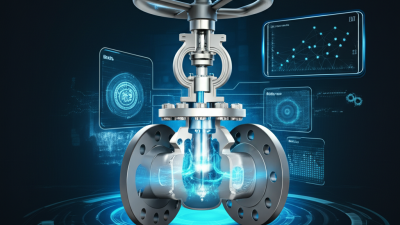
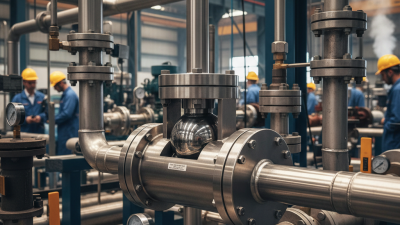
Industrial valves play a crucial role in various sectors. They control the flow of liquids and gases. Their proper functioning is essential for productivity and safety.

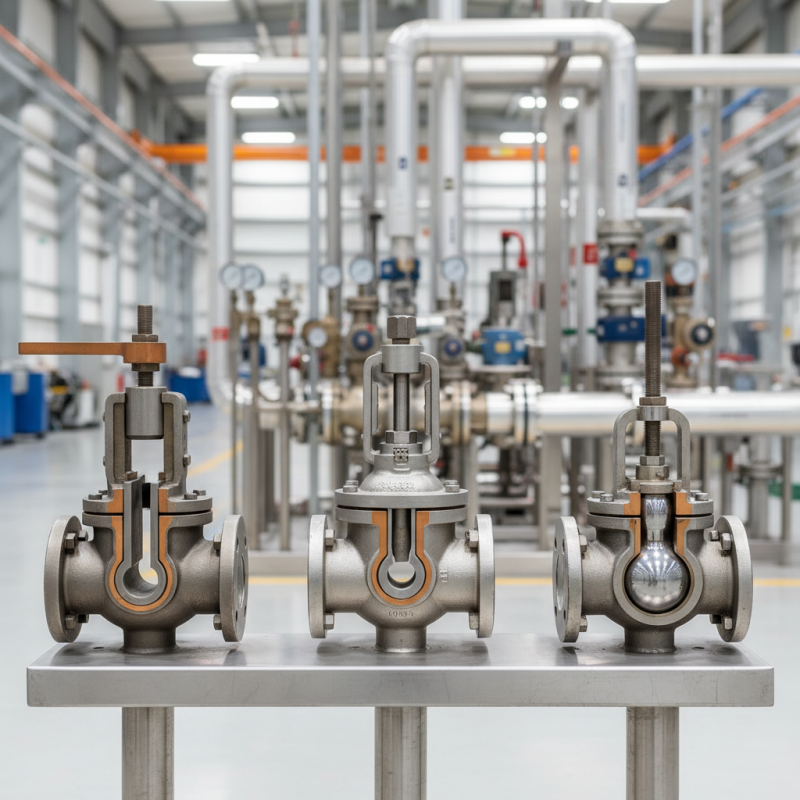
Different types of industrial valves are used in modern industries. Gate valves, globe valves, and ball valves are among the most common. Each type has unique features and applications. For instance, gate valves are used where a straight-line flow is needed. Globe valves provide excellent throttling abilities, while ball valves offer quick shut-off. Understanding these differences is important.

Yet, even with advanced technology, issues can arise. Maintenance is often overlooked. Valve failure can lead to significant downtime. Companies must prioritize regular inspections. Careful management can ensure efficiency and safety in operations. Industrial valves are vital, but they require proper attention.
Top Industrial Valves Types and Their Applications in Modern Industries?

Overview of Industrial Valves and Their Importance in Modern Industries

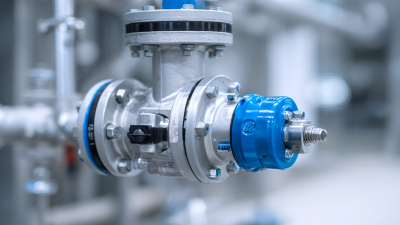
Industrial valves are crucial components in a wide range of sectors. They control the flow of liquids, gases, and slurries. Proper valve selection can greatly affect efficiency and safety in operations. The design and material of a valve can influence its performance. For example, a poorly chosen valve may lead to leaks or breakdowns. This not only causes waste but can also result in costly repairs.

In modern industries, valves must withstand various conditions. High pressures and temperatures make certain materials essential. Valves used in chemical plants need to be corrosion-resistant. This specificity highlights the importance of selecting appropriate valve types. Each application requires careful consideration. A mismatch can lead to operational failures, impacting production time and resources. Organizations must regularly assess their valve systems to ensure components are up to standard. Continuous evaluation can prevent unforeseen issues and improve overall efficiency.
Top Industrial Valves Types and Their Applications

This chart illustrates the distribution of different types of industrial valves used in modern industries. Understanding the application of each valve type can help in selecting the right valve for specific operational needs.

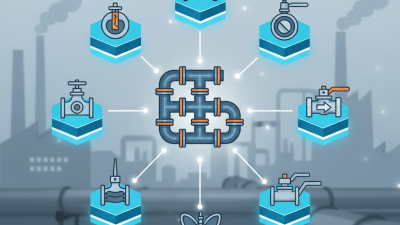
Major Types of Industrial Valves and Their Distinct Features

Industrial valves play a crucial role in various industries. Different types serve unique functions. For instance, gate valves are commonly used for on-off control. They create minimal pressure loss and are ideal for pipelines. However, they may not perform well in throttling applications.

Another important type is the globe valve. This valve allows for precise flow control and is effective in regulating pressure. Its design promotes easy maintenance but can result in higher pressure drops. Ball valves offer quick shut-off capabilities. They are durable and work well in high-pressure applications. Yet, they can be more expensive to install.

Butterfly valves are lightweight and compact. They are suitable for large flow volumes and are often used in water distribution. Their simple structure makes them easy to operate. However, they may not provide a tight seal, which can lead to leaks. Each valve type has distinct features and applications that must be carefully considered. Not all valves suit every task, making selection critical for efficiency and safety.

Common Applications of Industrial Valves Across Various Sectors

Industrial valves play a crucial role across various sectors. They control the flow of liquids and gases. This functionality is essential in oil and gas, water treatment, and manufacturing. According to a recent industry report, the demand for industrial valves is projected to grow significantly. By 2026, the market is expected to reach over $85 billion. This growth stems from various applications that utilize valves in innovative ways.

In the oil and gas sector, valves manage the flow under high pressure. They ensure safety while maximizing efficiency. In water treatment, they regulate water flow and pressure, crucial for maintaining quality. The food industry also relies on valves for hygiene and safety standards. Reports indicate that the need for sanitary valves is increasing as food safety regulations tighten. However, many facilities still struggle with outdated systems, leading to inefficiencies and potential risks.

Manufacturing processes have seen a rise in automated systems. Valves are integral in creating a seamless operation. Yet, many industries face challenges in maintaining these systems. Frequent breakdowns and slow responses can hinder productivity. Furthermore, some manufacturers may overlook the necessity for regular inspections, which can lead to costly errors. This highlights the need for ongoing training and better practices in maintaining these essential components.

Top Industrial Valves Types and Their Applications in Modern Industries

Valve Type Common Applications Industries Operating Pressure
Ball Valve On/off control in piping systems Oil & Gas, Water Supply up to 600 psi
Gate Valve Isolation in pipelines Water Treatment, Oil & Gas up to 300 psi
Globe Valve Flow regulation Chemical Processing, Power Generation up to 500 psi
Check Valve Prevent backflow in pipelines Water Supply, HVAC up to 400 psi
Butterfly Valve Flow regulation in large pipelines Water Treatment, Food Processing up to 200 psi

Future Trends in Industrial Valve Technology and Innovation

Top Industrial Valves Types and Their Applications in Modern Industries?

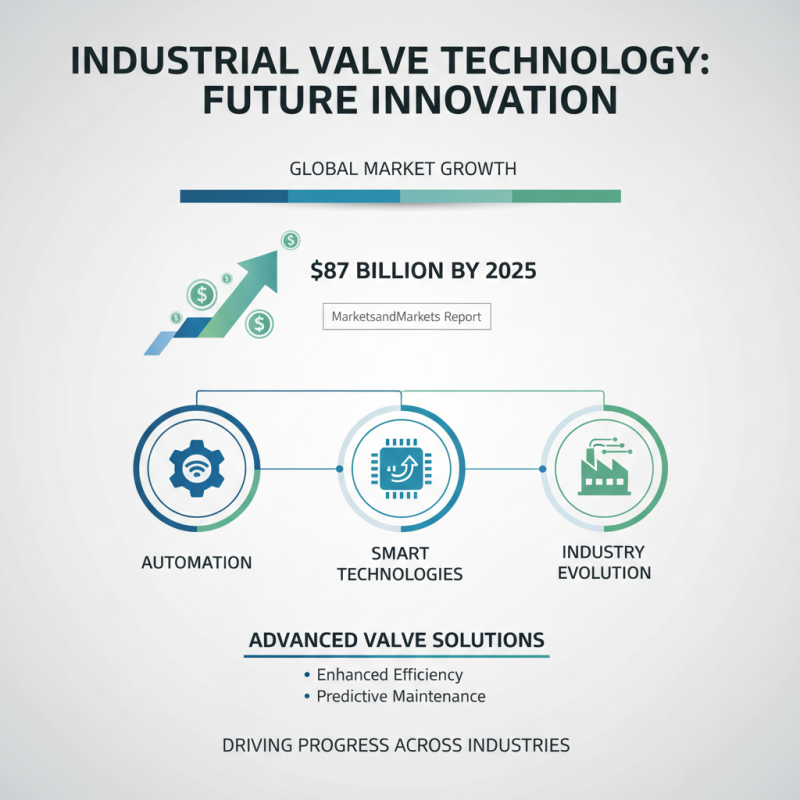
The future of industrial valve technology is promising. Many industries are evolving rapidly. Automation and smart technologies drive innovation. According to a report by MarketsandMarkets, the global industrial valves market is expected to reach $87 billion by 2025. This growth reflects a sizable shift in demand toward advanced valve solutions.

Today’s valves are not merely mechanical components. They are integrated tools equipped with sensors and connectivity features. These innovations allow for real-time monitoring and predictive maintenance. For example, predictive analytics can anticipate valve failures before they occur. This can prevent costly downtime and enhance system reliability.

**Tip:** Regularly assess your valve inventory. Consider transitioning to smart valves to boost efficiency. As technologies advance, remaining static could inhibit growth. Success demands a proactive mindset. Industries must adapt to embrace smart innovations fully.

Challenges in Valve Selection and Maintenance in Industrial Settings

In industrial settings, selecting the right valve is critical. A recent report indicated that improper valve selection can increase maintenance costs by over 30%. Factors like pressure, temperature, and medium type all play essential roles in this decision process. For example, not all valves handle corrosive fluids equally well. Often, engineers overlook specific applications, leading to inefficient systems.

Maintenance poses its own set of challenges. Regular inspections are necessary but can be time-consuming. A study showed that 45% of valve failures result from inadequate maintenance. This can disrupt operations significantly. Many companies fail to implement a proper preventive maintenance schedule. Neglecting these practices can lead to unexpected downtimes.

Training staff is equally vital. A sizable percentage of industrial workers may lack knowledge about advanced valve technologies. Industry reports reveal that ongoing education can reduce errors in valve handling by nearly 25%. However, many organizations fail to prioritize this training, which can exacerbate existing issues and lead to costly mistakes.