Top 10 Industrial Valves in China for Global Buyers?
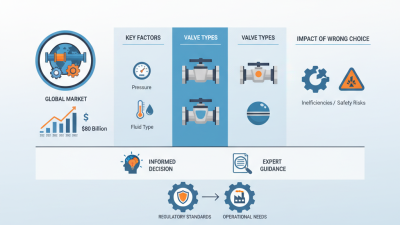
In recent years, the industrial valves market in China has witnessed significant growth. With an estimated valuation exceeding $10 billion, this sector has become pivotal for global buyers looking for reliable components. According to a report by the Global Market Insights, the industrial valves demand is expected to grow at a CAGR of 5.2% from 2020 to 2027. This trend underscores China's role as a leading manufacturer of industrial valves, exporting to numerous countries.
Dr. Alan Zhang, a renowned expert in the field, asserts, "The rise of industrial valves in China is driven by innovation and quality." His insights reflect a broader acknowledgment of the robust manufacturing capabilities in the region. However, the market is not without its challenges. Quality control remains a critical issue. Many buyers report discrepancies in product standards, indicating a need for vigilance.
Moreover, as the global demand for sustainable solutions increases, the industrial valves sector must adapt. While opportunities abound, the complexities of international trade and variable quality could pose risks for buyers. Understanding these dynamics is crucial for making informed purchasing decisions.
Overview of the Industrial Valve Market in China: Key Statistics
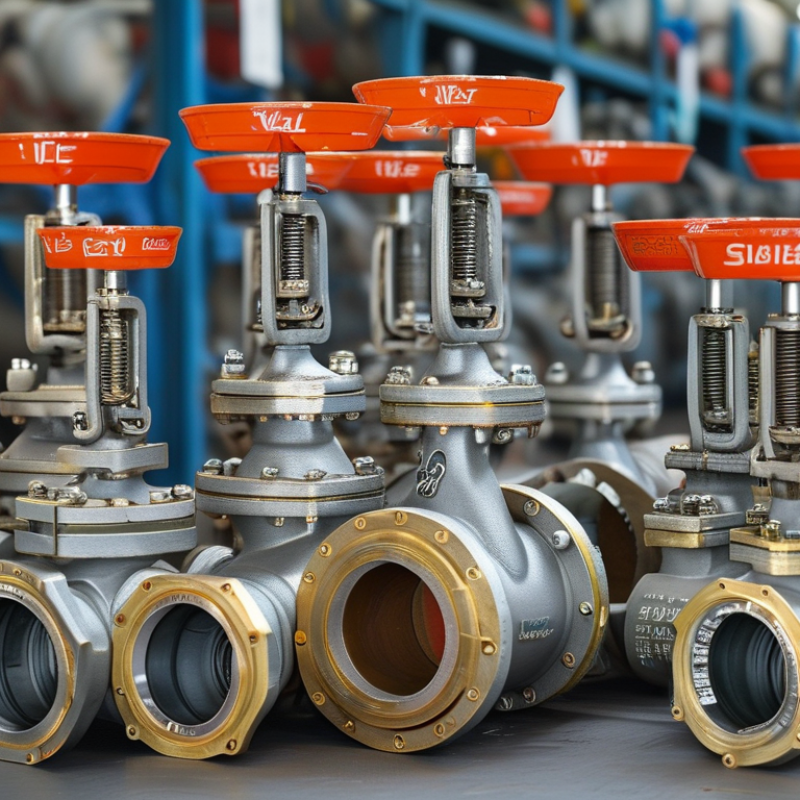
The industrial valve market in China is rapidly expanding. By 2023, the market is expected to reach significant revenue figures. The demand for high-quality valves is driven by various sectors, including oil and gas, water treatment, and manufacturing. China has become a manufacturing hub for these essential components.
To navigate this complex market, buyers should consider several factors. First, understanding local regulations is crucial. Each province may have distinct requirements affecting production. Additionally, assessing product quality can be challenging. Some manufacturers may not meet international standards.
Tips: Always ask for certifications before making a purchase. This can verify the quality and reliability of valves. It is beneficial to compare multiple suppliers to ensure you receive the best options. Conducting site visits may also provide insight into the manufacturing process.
Market statistics reveal that growth is not uniform across sectors. Economic fluctuations and changes in policy can influence supply and demand. Buyers must remain adaptable and proactive. Being informed about market trends can help in strategic decision-making.
Top 10 Industrial Valves in China for Global Buyers
Top Industrial Valve Manufacturers in China: Market Share and Influence
In recent years, the industrial valve market in China has shown significant growth. With the rise of various industries, the demand for high-quality valves has increased. Understanding market share and influence among manufacturers is crucial for global buyers. This can help them make informed purchasing decisions.
Many manufacturers have invested heavily in research and development. This leads to innovative designs and improved valve performance. The right choice can significantly impact efficiency and sustainability. However, not every manufacturer meets global standards, leading to quality variances. Buyers must be vigilant and conduct thorough assessments.
Tip: Always check for certifications when sourcing valves. This helps ensure compliance with international quality standards.
Moreover, geographical factors influence manufacturing capabilities. Certain regions specialize in specific valve types. Buyers should consider this aspect when sourcing. Local expertise often correlates with product reliability. However, it is essential to also consider potential supply chain disruptions.
Tip: Building relationships with multiple suppliers may provide flexibility. This strategy may mitigate risks associated with reliance on a single source.
Top 10 Industrial Valves in China for Global Buyers
| Rank |
Valve Type |
Material |
Application |
Market Share (%) |
Influence Level |
| 1 |
Gate Valve |
Carbon Steel |
Water Supply |
25 |
High |
| 2 |
Globe Valve |
Stainless Steel |
Oil and Gas |
20 |
Medium |
| 3 |
Check Valve |
Brass |
Water Treatment |
15 |
Medium |
| 4 |
Ball Valve |
Plastic |
Chemical Processing |
10 |
High |
| 5 |
Butterfly Valve |
Ductile Iron |
HVAC |
8 |
Medium |
| 6 |
Pressure Relief Valve |
Alloy Steel |
Power Generation |
5 |
Medium |
| 7 |
Plug Valve |
PVC |
Water Distribution |
4 |
Low |
| 8 |
Pneumatic Valve |
Aluminum |
Manufacturing |
3 |
Medium |
| 9 |
Solenoid Valve |
Brass |
Automotive |
2 |
Low |
| 10 |
Diaphragm Valve |
PTFE |
Pharmaceutical |
1 |
Low |
Types of Industrial Valves in China: Applications and Specifications
Industrial valves play a crucial role in various applications. In China, these valves significantly impact industries such as oil, gas, and water treatment. According to a market research report by ResearchAndMarkets, the industrial valve market in China is projected to grow at a compound annual growth rate (CAGR) of over 6% from 2021 to 2026. This growth is driven by increased industrial activity and infrastructural development.
Different types of industrial valves serve specific functions. Gate valves are common for on-off applications, while globe valves provide throttling control. Similarly, ball valves are preferred for their reliability in tight sealing. The selection of these valves often considers factors like pressure ratings, material specifications, and compatibility with fluids. A report from Technavio highlights that nearly 30% of industrial valves used in China are made from stainless steel due to its high corrosion resistance.
Despite advancements, challenges remain. The quality of some valves can vary significantly, affecting operational efficiency. Misapplications can lead to failures, incurring replacement costs. As industries continue to evolve, ensuring optimal quality and performance of industrial valves is essential for the sustainability of these sectors.
Emerging Trends in China's Industrial Valve Industry: Innovations and Challenges
China's industrial valve industry is undergoing significant transformations. Innovations are often driven by the need for enhanced efficiency and sustainability. Recent reports indicate that nearly 40% of manufacturers are investing in automation technologies. These advancements aim to streamline production processes and reduce costs. However, the transition to automation presents challenges, including workforce training and the integration of new systems.
Emerging trends also highlight a growing demand for smart valves. The global market for smart valves is expected to grow at a CAGR of 10% by 2025. This demand reflects industries seeking better data analysis and control measures. Yet, not all companies can keep pace with these technological advancements. Many still rely on outdated systems that are less efficient. This gap can hinder competitiveness in the increasingly global market.
Despite the positive outlook, the industry faces challenges. Supply chain disruptions have impacted raw materials availability. In 2022, 35% of companies reported delays in production due to supply issues. Additionally, compliance with stricter environmental regulations remains a concern. Balancing innovation with these challenges will be vital for the future of China's industrial valve market.
Global Impact of China's Industrial Valves: Export Data and Trade Relationships
China's industrial valve market has a significant global impact, particularly in trade relationships. Recent data indicates that China's export volume for industrial valves reached approximately
4.5 billion USD in 2022. This surge reflects China's pivotal role in the global supply chain. The country is not just a manufacturer but a key player in technology adoption. Advanced manufacturing processes are helping to enhance quality and efficiency, contributing to growing international demand.
China’s export data highlights its connections with diverse markets. In 2021, the U.S. and Europe accounted for over 40% of China's industrial valve exports. However, this dependence raises questions about market volatility. Trade tensions and regulatory changes can pose risks. Furthermore, many manufacturers face challenges in compliance with international standards. While innovative designs are emerging, the need for quality assurance remains vital.
There is an ongoing shift towards sustainable production methods. Eco-friendly materials and energy-efficient designs are becoming essential. Yet, some industry players struggle to adapt quickly. This slow response can hinder competitiveness in a fast-evolving market. Awareness of these trends is crucial. Understanding both opportunities and challenges can lead to better strategic decisions for global buyers.