Blogs | Steelstrong Valves

Top 10 Floating Valve Manufacturers for Global Buyers

A floating valve can look simple on a catalog page, yet its performance depends on careful engineering. In a floating ball design, line pressure pushes the ball against a downstream seat to help create a seal. Seat material, stem sealing, machining tolerances, and pressure ratings all affect reliability. Small details matter. A valve intended for clean water may not suit a process involving abrasive fluids, frequent cycling, or temperature swings.

This guide introduces ten floating valve manufacturers for global buyers and offers a practical starting point for supplier research. It considers factors such as product range, manufacturing experience, material options, quality controls, export support, and access to technical documentation. Buyers should compare these details with their actual service conditions, including media, pressure, temperature, connection type, and maintenance needs. Ask for relevant test records and confirm that stated standards apply to the exact model being quoted. A polished catalog alone is not proof of suitability. Manufacturer capabilities and product availability can also change, so verify current information directly before making a purchasing decision. No ranking can replace a clear specification and a careful technical review.
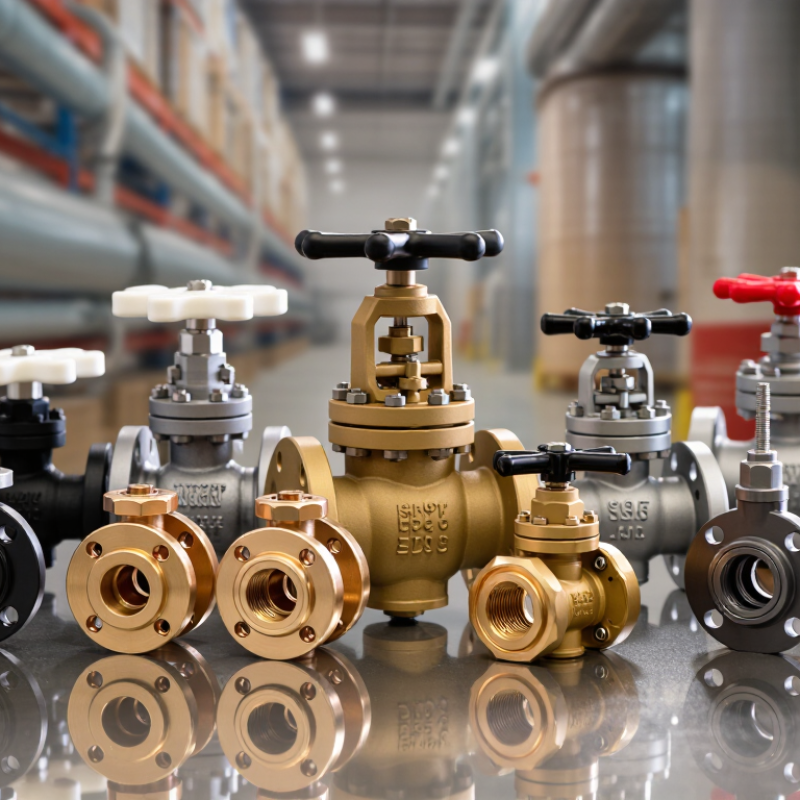
Top 10 Floating Valve Manufacturers for Global Buyers

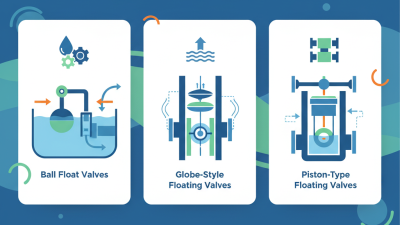
What Is a Floating Ball Valve? Its Ball, Stem, Seats, and Flow Path

A floating ball valve uses line pressure to press its ball against the downstream seat. The ball is not fixed on a trunnion; it shifts slightly as pressure rises. That small movement creates the sealing force. Simple in concept. Seat wear, pressure, and fluid compatibility still matter.

The stem connects the handle or actuator to the ball. A quarter-turn rotates the ball’s bore into line with the pipe, opening a direct flow path; another quarter-turn places solid ball surface across the seats. Stem seals help limit leakage to the outside, while seat material affects friction and sealing performance. API 608 and ISO 17292 set design requirements for metal ball valves, but a standard does not replace checking the actual pressure, temperature, and service conditions.

The scale of the market gives buyers useful context, not a shortcut to selection. MarketsandMarkets’ Industrial Valves Market forecast estimated a global market of $78.8 billion in 2023 and projected $93.6 billion by 2028. Floating designs are common, yet they are not ideal for every large-bore or high-pressure duty. One detail is easy to miss: a valve that seals well on a clean-water test may behave differently with abrasive or viscous media. Verify the flow path, seat specification, and operating torque against the real process.

How API 6D, API 608, and ISO 17292 Define Ball Valve Requirements

For global buyers, API 6D, API 608, and ISO 17292 are not interchangeable checkboxes. Each defines requirements for a different scope of ball valve service. API 6D addresses pipeline and pipeline-system valves, including design, pressure testing, and documentation. API 608 covers metal ball valves with flanged, threaded, or welding ends. ISO 17292 sets requirements for metal ball valves used in petroleum, petrochemical, and related industries. The scopes overlap. The details differ.

A floating ball is held between two seats. When line pressure rises, it can push the ball against the downstream seat, so pressure rating and seat materials matter. Buyers should match the selected standard to the valve’s service, end connections, pressure class, and required tests. Ask for traceable material records and test documentation, then confirm the cited edition and purchase specification agree. Small gaps can matter. A standard may not answer every project question, and wording in a datasheet can be easy to misread. It is worth checking whether the valve is genuinely floating-ball, rather than assuming the term alone establishes its limits.

API 598 Testing: Shell Pressure at 1.5× the Rated Working Pressure

For global buyers comparing floating valve manufacturers, API 598 shell testing offers a practical check of pressure-boundary integrity. The shell test is generally conducted at 1.5 times the valve’s rated working pressure, using the pressure basis specified by the applicable standard and purchase documents. Confirm the valve class, material, and standard edition before comparing test records. Details matter.

During testing, the valve body is filled with water, air is removed, and pressure is raised in a controlled manner. Inspectors look for visible leakage through the body, bonnet, or other pressure-retaining parts. A calibrated gauge and a documented hold time help make results traceable. The shell test is not the same as a seat-leakage test; it does not, by itself, prove shutoff performance. That distinction is easy to miss.

Buyers should request the test procedure, recorded pressure, duration, and inspection result, rather than relying only on a certificate statement. Check that the test pressure matches the valve’s rating and the agreed specification. A clean test report is useful, but it cannot replace material verification or production oversight. Paperwork can look reassuring. I would still ask how test instruments are calibrated and how rejected castings are handled.

Top 10 Floating Valve Manufacturers for Global Buyers - API 598 Testing: Shell Pressure at 1.5× the Rated Working Pressure

Anonymous technical comparison checklist. API 598 shell-test pressure is based on the valve’s applicable rated working pressure; the rating depends on pressure class, body material, and temperature. Confirm the governing edition of the standard and the project specification with the supplier.

No. Evaluation dimension Technical reference or requirement What buyers should verify
1 API 598 shell-test pressure The shell test uses 1.5× the applicable rated working pressure. The rating must correspond to the valve’s pressure class, body material, and reference temperature. Request the pressure calculation, test record, test medium, and calibration details. Do not assume one pressure value applies to every material or class.
2 Shell-test hold time API 598 minimum shell-test durations are size-dependent: NPS 2 and smaller, 15 seconds; NPS 2½–6, 60 seconds; NPS 8–12, 120 seconds; NPS 14 and larger, 300 seconds. Confirm the nominal pipe size, recorded hold time, and any longer duration required by the purchase specification.
3 Shell-test acceptance The pressure boundary is examined for visible leakage during the shell test, subject to the applicable API 598 acceptance requirements. Check that the test report identifies the inspected pressure-boundary areas and records the acceptance result.
4 Seat / closure test API 598 includes closure testing. Test method, direction, pressure, duration, and allowable leakage depend on valve type, size, and the applicable standard requirements. Confirm whether testing is low-pressure gas, high-pressure liquid, or both, and verify the specified leakage acceptance criterion.
5 Pressure–temperature rating Allowable working pressure varies with pressure class, material group, and operating temperature; it should be established from the applicable rating standard and valve design. Request the pressure–temperature rating for the exact body material and service temperature, not just a nominal class designation.
6 Body and trim materials Body, ball, stem, and seat materials should be selected for the fluid, corrosion conditions, pressure, and temperature. Material grades are not interchangeable without engineering review. Check the bill of materials, material test certificates, and any project-specific traceability or corrosion requirements.
7 Floating-ball design limits In a floating-ball valve, line pressure helps load the ball against the downstream seat. Maximum differential pressure and operating torque depend on size, pressure, materials, and design. Obtain the permitted differential pressure, torque data, and operating limits for the exact size and configuration.
8 End connections and dimensions Flanged, threaded, and butt-weld ends have different dimensional and connection requirements. Face-to-face dimensions and end details should match the applicable project standard. Review certified drawings, connection standards, bore, face-to-face dimensions, and installation clearances.
9 Fire-tested design Fire-safe qualification is a separate design and test requirement; API 607 and API 6FA are commonly specified standards for applicable quarter-turn valves. If fire-safe performance is required, request the applicable test certificate for the relevant valve design and configuration.
10 Documentation and traceability Inspection and test documentation should identify the valve, applicable standards, test conditions, results, and relevant material records. Agree on required records before ordering, including inspection reports, test certificates, drawings, and material documentation.

Note: This checklist is a technical purchasing reference, not a manufacturer ranking or a substitute for the current standard, valve datasheet, or project-specific requirements.

How to Compare the Top 10 Floating Ball Valve Manufacturers Worldwide

Comparing the top ten floating ball valve manufacturers requires more than checking catalog prices. A floating ball rests between two seats, and line pressure helps press it against the downstream seat. This design makes seat materials, operating torque, and pressure limits especially important. Grand View Research estimated the global industrial valves market at USD 78.8 billion in 2023, with projected growth through 2030. That broad-market figure signals strong competition, but it does not prove any supplier’s valve quality.

Compare like-for-like specifications: bore size, body material, pressure-temperature ratings, end connections, and seat compatibility. Request pressure-test records and confirm the stated test standard, such as ISO 17292 for metal ball valves. For fire-safe or low-emission service, check relevant test evidence, including API 607 or ISO 15848, where applicable.

Details matter. Ask for torque data at the actual operating pressure; an actuator sized from a catalog example may be inadequate. Also review traceability, inspection plans, spare-parts availability, and delivery records.

A polished datasheet can still leave gaps. Ask how the supplier verifies seat leakage after cycling, and whether test results match the quoted configuration. Compare warranty terms and technical response times, not just unit cost. One comparison can mislead: a lower price may reflect different materials, testing, or service scope. Review the evidence behind each claim before ranking suppliers.

How to Select by Size, Pressure Class, Materials, Media, and Certification

Floating-ball valve selection starts with duty data, not catalog diameter. Match port size and flow coefficient to required flow, allowable pressure drop, and pipe size. A valve that merely matches the line may control poorly. Check pressure class against design pressure and temperature, because allowable pressure decreases as temperature rises. For floating-ball designs, verify maximum differential pressure and operating torque under actual conditions. Small detail. It matters at startup.

Specify wetted materials for the media’s chemistry, concentration, temperature, and solids; stainless steel is not suitable for every chloride service. Record seat and seal materials as well. ISO 5208 covers pressure testing for industrial valves, while ASME B16.34 addresses pressure-temperature ratings and design requirements. Grand View Research’s Industrial Valves Market report valued the global market at USD 76.4 billion in 2023 and projected 4.8% annual growth through 2030. That is market context, not a selection rule. Request traceable material certificates, test records, and the applicable standard edition; a certificate claim without clear scope is weak evidence. I would recheck temperature limits against the actual media, since datasheets can simplify service conditions.