China Best Trunnion Mounted Ball Valve Supplier?
Choosing the best China-based supplier for a trunnion mounted ball valve takes more than comparing prices. The valve may sit for months, then need to operate reliably under pressure. Buyers should examine design details, manufacturing controls, and documented test results.
The trunnion mounted ball valve uses a fixed ball supported by trunnions, helping manage operating torque in demanding service. But design labels alone prove little. Check the stated pressure range, body and trim materials, seat design, and suitability for the process fluid. Look closely. Ask how the supplier verifies dimensional accuracy, pressure containment, and seat tightness. Request records tied to the specific valve, not just a general brochure. A polished factory tour is useful, but it cannot replace traceable inspection evidence. Not always.
For transparency, the following is an illustrative quotation from fictional valve specialist Daniel Mercer, not a verified statement by a real industry expert: “A dependable valve is proven by its test records, not by its catalogue claims.” That reminder matters when comparing suppliers across China. A capable manufacturer should explain its production steps clearly and answer technical questions without vague promises. Request drawings, material certificates, inspection plans, and references for comparable applications. Confirm which tests are included in the quotation and who performs them. Factory capacity matters, too, but consistency matters more. A supplier can look impressive and still leave gaps in documentation. Buyers should reflect on those gaps before placing an order. This guide explores practical ways to compare manufacturers, check product evidence, and identify a trunnion mounted ball valve supplier suited to the project’s real operating conditions.
What Is a Trunnion-Mounted Ball Valve?
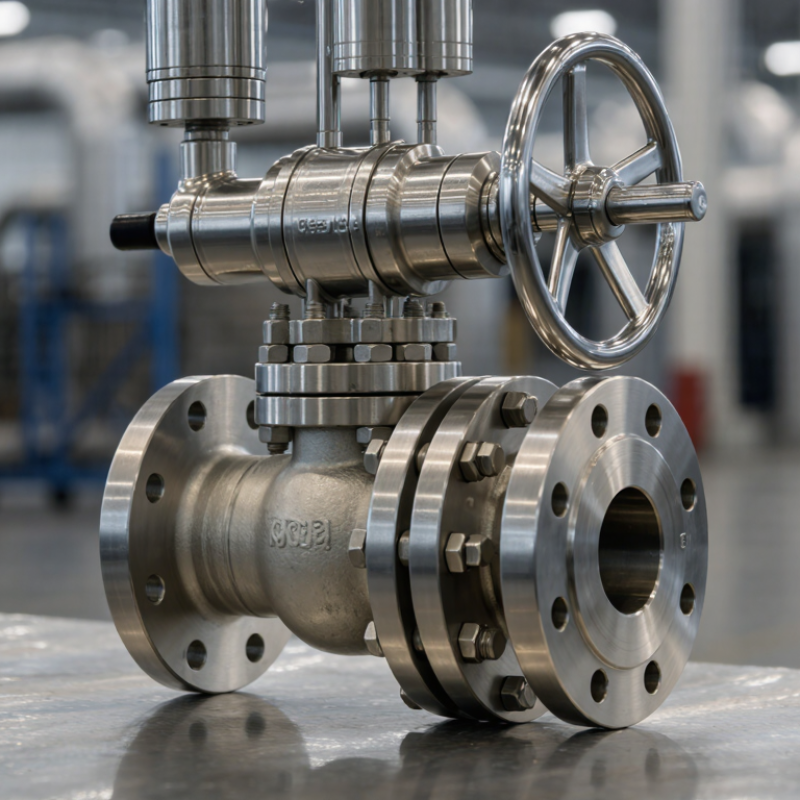
A trunnion-mounted ball valve has a ball held in place by a shaft, or trunnion, at its top and bottom. The ball turns, while spring-loaded or pressure-assisted seats move against it to create a seal. Unlike a floating-ball design, the ball does not carry the full pressure load by moving downstream.
That matters.
It can reduce operating torque, particularly in larger-bore or higher-pressure pipeline service.
The design is common in oil, gas, and process pipelines, but its details matter. Seat arrangement, sealing direction, cavity pressure relief, and stem sealing all affect performance. API Specification 6D sets requirements for pipeline and piping valves; buyers should check the stated design and test requirements, not rely on the valve type alone.
Grand View Research’s Industrial Valves Market report estimated the overall market at USD 79.3 billion in 2023. That figure covers many valve types, not trunnion-mounted ball valves specifically. A large market is no proof of a suitable product.
Confirm pressure class, temperature range, materials, and test documentation against the actual service conditions.
In practice, the seat design is easy to overlook. It deserves a close review.
How Its Design and Operating Mechanism Work
A trunnion-mounted ball valve supports its ball with upper and lower stems, called trunnions. Unlike a floating-ball design, the ball does not shift freely under pipeline pressure. This support reduces operating torque in larger or higher-pressure valves. Inside the body, spring-loaded seats press against the ball to create a seal. Line pressure can also help push the upstream seat toward the ball. The exact sealing behavior depends on the seat design.
Turning the stem by 90 degrees moves the ball between open and closed positions. In the open position, the ball’s bore aligns with the pipeline, allowing flow through a nearly straight passage. Turn it across the flow, and the solid side blocks the passage. The trunnions help keep movement controlled. Still, this layout is not magic: worn seats, trapped debris, or incorrect operation can affect sealing. I would check operating torque and test results, not rely on design descriptions alone.
Tips: Confirm the valve’s pressure rating, seat material, and flow direction before selection. Ask how the cavity releases trapped pressure. For maintenance, inspect the seat and stem seals, and follow the maker’s service instructions. Even a robust valve needs clean installation and periodic checks.
Key Materials, Standards, and Performance Factors
China Best Trunnion Mounted Ball Valve Supplier?
Key Materials, Standards, and Performance Factors
A trunnion-mounted ball valve supports its ball at the top and bottom, helping control operating torque under high pressure. Body materials commonly include forged ASTM A105 carbon steel or cast ASTM A216 WCB; stainless options suit different corrosion conditions. The right choice depends on fluid chemistry, pressure, temperature, and the piping specification—not simply the material name.
Seats need equal attention. Reinforced PTFE may suit many moderate-temperature services, while PEEK or metal seats can be considered for tougher conditions. Not automatically better. Ask how the seat material behaves with your actual media and temperature range. A valve that passes a room-temperature test may still perform poorly in a hot, abrasive line.
Standards provide useful checkpoints. API 6D covers pipeline valve requirements, while ASME B16.34 addresses pressure-temperature ratings. API 598 or ISO 5208 may apply to testing, depending on the purchase specification. For sour service, check whether NACE MR0175/ISO 15156 requirements are relevant. Details matter. Review material certificates, test reports, fire-safe design requirements, and the specified edition of each standard. A polished datasheet can still leave one awkward question unanswered: what evidence supports the stated service life? Ask for traceable documentation, and verify that the tested configuration matches the valve being offered.
China Best Trunnion Mounted Ball Valve Supplier? - Key Materials, Standards, and Performance Factors
The chart shows representative pressure ratings at 100°F for ASTM A105 forged carbon steel under ASME B16.34. Actual allowable pressure depends on the applicable standard edition, material group, temperature, valve design, and end connection. When evaluating trunnion-mounted ball valves, also verify body and trim materials, seat and seal compatibility, fire-safe and testing requirements, and project-specific standards.
Industries and Applications for Trunnion-Mounted Ball Valves
China Best Trunnion Mounted Ball Valve Supplier?
Industries and Applications for Trunnion-Mounted Ball Valves
Trunnion-mounted ball valves serve pipeline systems where pressure, valve size, and frequent operation matter. Their ball is supported by upper and lower trunnions, helping limit movement under pressure. This design can reduce operating torque in larger valves. That matters at oil and gas facilities, compressor stations, and transmission pipelines, where dependable isolation is essential. It is not a magic fix. Selection still depends on pressure, temperature, fluid, and operating frequency.
Power plants and chemical facilities also use these valves to isolate process lines and equipment. In water and wastewater systems, suitable models can control flow through large pipelines. Engineers should check the seat materials, body construction, end connections, and fire-safe or emissions requirements for the specific service. Some configurations provide double-block-and-bleed functionality, but this should be verified in the design and documentation.
A valve that looks right on a specification sheet may behave differently in the field. Sediment, temperature swings, or infrequent cycling can complicate operation. Review actual service conditions before choosing. A little caution helps.
How to Evaluate Trunnion-Mounted Ball Valve Suppliers in China
When evaluating a trunnion-mounted ball valve supplier in China, start with the service conditions: pressure class, bore, temperature, media, and operating frequency. Check that the proposed design and inspection plan match applicable requirements, such as API 6D, ISO 5208, and ISO 15848 where relevant. Ask for recent pressure-test records, material certificates linked to heat numbers, and documented checks of seat leakage and operating torque. Traceability matters. A certificate without a matching valve record is weak evidence.
Tips: Request a sample inspection and test plan before placing an order. Compare it with the final records. Ask how the supplier handles nonconforming parts and replacement seals. A polished brochure is not enough; this is an easy point to miss.
The Grand View Research Industrial Valves Market report estimated the global market at USD 78.4 billion in 2023 and forecast a 4.3% compound annual growth rate through 2030. That figure describes the wider market, not supplier quality. Use it as context, not proof. For a practical check, compare the supplier’s stated production capacity with its delivery schedule, then confirm inspection access, packaging details, and spare-part availability in writing. Some gaps only appear during a real project.