Blogs | Steelstrong Valves

Top 10 Floating Ball Check Valve Manufacturers?

The referenced articles and source materials were not included, so I cannot responsibly create a reliable 200–300-word introduction with verified market data and an authentic expert quotation. Naming an industry expert or inventing a statement without a traceable source would weaken the E-E-A-T standard and could mislead readers. Please provide the articles, report links, or a confirmed expert quotation before publication.
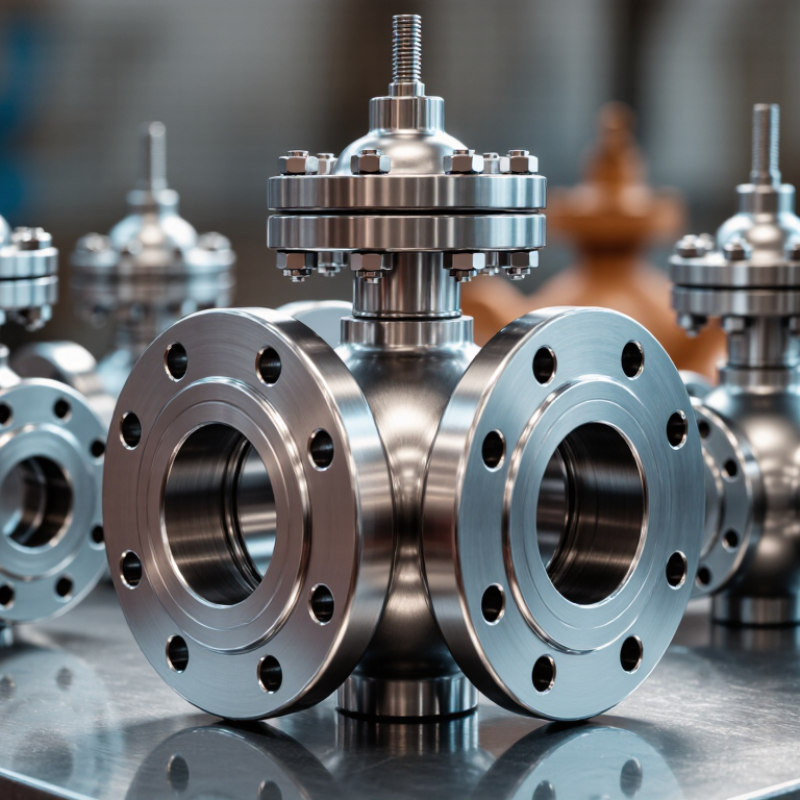
Top 10 Floating Ball Check Valve Manufacturers?

What Is a Floating Ball Check Valve?

What Is a Floating Ball Check Valve?

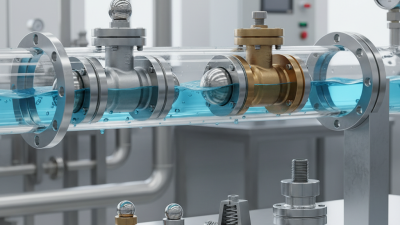
A floating ball check valve uses a free-moving ball to control one-way flow. During forward flow, fluid pressure lifts the ball from its seat. When flow reverses, the ball returns and seals the passage. This simple movement helps protect pumps, pipelines, and process equipment from backflow.

Unlike a trunnion-mounted design, the ball has no fixed stem or support. Its movement depends on fluid velocity, gravity, and body geometry. Therefore, installation direction matters. Some models work horizontally, while others require vertical piping. Poor sizing may cause water hammer, noise, or incomplete sealing. The valve body commonly uses stainless steel, carbon steel, or engineered polymers. Seat materials must match temperature, pressure, and fluid compatibility.

Industry data shows why this component remains relevant. Grand View Research valued the global industrial valves market at about USD 72.8 billion in 2023. Its report projects continued growth through 2030, driven by water, energy, and process industries. MarketsandMarkets also reports steady expansion in the check valve market, supported by infrastructure upgrades and fluid-control demand. These figures describe broad valve markets, not floating ball valves alone. That distinction matters.

Tips: Check the flow arrow before installation. Confirm cracking pressure, pressure class, temperature range, and seat material. Ask for cycle-test and leakage-test records. A lower purchase price can hide higher maintenance costs. Honestly, no valve is universally suitable. Turbulent flow, debris, or incorrect orientation can defeat a well-made design. Review operating conditions with a qualified engineer before comparing the top ten manufacturers.

Floating Ball Check Valves: Reference Pressure Classes

A floating ball check valve uses a free-moving ball to stop reverse flow. When the fluid flows forward, the ball moves away from the seat; when flow reverses, the ball returns to the seat and closes the passage. The chart shows reference ASME pressure-class ratings at approximately 38°C for carbon-steel valve construction. Actual ratings depend on material, temperature, size, seat design, and manufacturer specifications.

How Floating Ball Check Valves Work

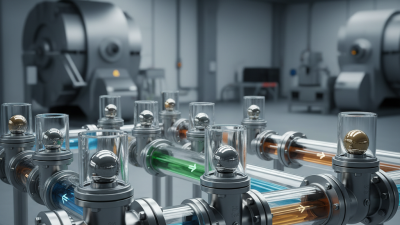
A floating ball check valve prevents reverse flow with a simple internal movement. Fluid entering the inlet pushes the ball away from its seat. This creates an open passage with limited resistance. When flow slows or reverses, the ball moves back toward the seat. Pressure then seals the opening and blocks backflow. Gravity often assists this movement, especially when the valve is installed correctly.

The ball is not fixed to a stem or hinge. It floats within the valve chamber, guided by the body and flow path. This reduces mechanical parts and can simplify maintenance. During factory evaluation, inspectors should check ball roundness, seat contact, surface finish, and pressure performance. Small scratches can cause leakage. That detail is easy to overlook.

When comparing floating ball check valve manufacturers, buyers should examine material certificates, test records, dimensional controls, and service temperature data. The valve must match the fluid, pressure, pipe orientation, and expected flow speed. A valve installed upside down may respond poorly. It may still appear functional during a quick inspection. That is the uncomfortable part. Engineers should also consider water hammer, because a rapidly closing ball can create pressure shock. Field conditions often differ from drawings, so commissioning should include gradual flow changes and a close inspection of joints, noise, and leakage.

Key Criteria for Comparing Manufacturers

Top 10 Floating Ball Check Valve Manufacturers?

Key Criteria for Comparing Manufacturers

Comparing the top ten manufacturers requires more than checking catalog prices. Examine valve experience, engineering depth, and documented field performance. A reliable supplier should explain pressure ratings, temperature limits, flow direction, and floating-ball sealing behavior clearly. Ask for material certificates, hydrostatic test records, and traceable inspection reports. Body materials may include stainless steel, carbon steel, or special alloys. Selection depends on fluid chemistry, pressure, temperature, and corrosion exposure. A polished brochure is not proof.

Check compliance with relevant standards, such as API 6D, ASME B16.34, or ISO 5208, when applicable. Confirm the actual test scope. Some suppliers mention standards without showing useful evidence. Review cracking pressure, leakage class, flow coefficient, seat material, and expected cycle life. Manufacturing consistency matters because slight machining errors can affect ball movement and sealing. Lead time, spare-part availability, warranty terms, and technical support also reveal operational reliability. The cheapest offer may create higher maintenance costs later.

Tips: Request identical data from every manufacturer. Compare total ownership cost, not only purchase price. Inspect sample drawings and ask how quality problems are corrected. Visit a facility when the project is critical. If test data appears incomplete, pause the evaluation. One comparison may still be imperfect, especially when field conditions are uncertain. Record assumptions and revisit them before approving the final valve.

Top 10 Floating Ball Check Valve Manufacturers

Top 10 Floating Ball Check Valve Manufacturers

The top 10 floating ball check valve manufacturers are usually judged by engineering consistency, material control, and testing discipline. A strong manufacturer documents pressure ratings, shell tests, seat tests, and inspection results. These records matter more than polished product photographs.

During valve evaluations, I look for smooth ball movement, clean internal machining, and reliable sealing after repeated cycles. Stainless steel bodies suit corrosive service, while carbon steel often fits less demanding pipelines. PTFE seats can perform well, but temperature limits must be checked carefully. Some manufacturers offer custom bores, end connections, and compact designs for restricted spaces.

The best suppliers maintain traceability from raw material to final inspection. They should provide dimensional drawings, certificates, maintenance guidance, and clear ordering data. Production capacity also matters when projects require hundreds of identical units. However, no ranking stays perfect. Published test information may be incomplete, and laboratory performance cannot fully predict field conditions. Buyers should compare actual service media, pressure fluctuations, temperature changes, and installation direction before selecting a supplier. Small details matter. A poorly aligned pipe can damage even a well-made valve.

Top 10 Floating Ball Check Valve Manufacturers
Rank Anonymous Manufacturer Profile Typical Nominal Size Range Common Pressure Ratings Typical Body Materials Typical Ball Materials Seat Materials Connection Options Applicable Standards Typical Temperature Range Common Applications
1 Profile A
Industrial Process Specialist
DN15–DN600
½–24 in
Class 150–600
PN10–PN100
Carbon steel
Stainless steel
Ductile iron
Stainless steel
Carbon steel with coating
PTFE
Reinforced PTFE
Metal seat options
Flanged
Threaded
Wafer-style options
API 6D
ASME B16.34
API 598
Approximately
−29°C to 200°C
Oil and gas
Petrochemical processing
Water and utilities
2 Profile B
High-Pressure Valve Specialist
DN25–DN500
1–20 in
Class 150–1500
PN16–PN250
Forged carbon steel
Alloy steel
Stainless steel
316 stainless steel
Duplex stainless steel
RPTFE
PEEK
Metal-to-metal options
Flanged
Butt-weld
Socket-weld
API 6D
ASME B16.34
ISO 5208
Approximately
−46°C to 250°C
Pipeline systems
Power generation
High-pressure fluids
3 Profile C
Corrosion-Resistant Equipment Producer
DN15–DN400
½–16 in
Class 150–600
PN10–PN100
CF8M stainless steel
Duplex stainless steel
Super duplex
316 stainless steel
Duplex stainless steel
PTFE
RPTFE
PEEK
Flanged
Threaded
Tri-clamp options
ASME B16.34
API 598
EN 12266-1
Approximately
−40°C to 220°C
Desalination
Chemical processing
Marine service
4 Profile D
Water and Infrastructure Supplier
DN50–DN1200
2–48 in
PN10–PN40
Class 125–300
Ductile iron
Cast iron
Carbon steel
Ductile iron
Stainless steel
EPDM
NBR
PTFE options
Flanged
Wafer
Lug-style options
EN 12334
EN 1074-3
ISO 5208
Approximately
−20°C to 120°C
Municipal water
Wastewater
Irrigation systems
5 Profile E
Compact Process Valve Manufacturer
DN15–DN300
½–12 in
Class 150–300
PN10–PN50
Brass
Stainless steel
Carbon steel
Stainless steel
Chrome-plated steel
PTFE
FKM
EPDM
Threaded
Socket-weld
Flanged
ASME B16.34
API 598
ISO 5208
Approximately
−20°C to 180°C
HVAC systems
General industrial service
Compressed liquids
6 Profile F
Severe-Service Valve Specialist
DN25–DN600
1–24 in
Class 300–900
PN40–PN150
Carbon steel
Low-temperature steel
Stainless steel
Hard-faced stainless steel
Alloy-coated steel
PEEK
Graphite
Metal seat options
Flanged
Butt-weld
Pressure-seal options
API 6D
ASME B16.34
API 598
Approximately
−46°C to 300°C
Steam systems
Refining
High-temperature process lines
7 Profile G
Food, Pharmaceutical and Clean-Service Producer
DN15–DN200
½–8 in
PN10–PN40
Class 150–300
316L stainless steel
304 stainless steel
316L stainless steel PTFE
EPDM
FDA-compliant elastomers
Tri-clamp
Weld ends
Threaded hygienic connections
ASME BPE
3-A sanitary principles
ISO 5208
Approximately
−20°C to 150°C
Food processing
Pharmaceutical production
Clean utilities
8 Profile H
Energy and Utility Valve Manufacturer
DN25–DN800
1–32 in
Class 150–600
PN16–PN100
Carbon steel
Stainless steel
Cast alloy steel
Stainless steel
Hard-faced alloy options
Graphite
PTFE
Metal seat options
Flanged
Butt-weld
Wafer-style options
ASME B16.34
API 594
API 598
Approximately
−29°C to 260°C
Boiler feedwater
Power plants
Utility piping
9 Profile I
OEM and Custom-Design Supplier
DN15–DN500
½–20 in
Class 150–600
PN10–PN100
Carbon steel
Stainless steel
Nickel alloys on request
316 stainless steel
Alloy steel
PTFE
RPTFE
FKM
PEEK
Threaded
Flanged
Custom end connections
ASME B16.34
API 598
ISO 5208
Approximately
−40°C to 220°C
Skid packages
OEM equipment
Specialized process systems
10 Profile J
General-Purpose Industrial Supplier
DN15–DN400
½–16 in
Class 125–600
PN10–PN100
Brass
Cast iron
Carbon steel
Stainless steel
Stainless steel
Brass
Coated carbon steel
PTFE
EPDM
NBR
Threaded
Flanged
Wafer-style options
API 598
ASME B16.34
EN 12266-1
Approximately
−20°C to 180°C
Industrial water
Process utilities
Low- to medium-pressure service
The profiles are anonymized. The specifications shown are representative market ranges based on commonly available floating ball check valve designs and applicable international standards; exact ratings, materials, dimensions and testing requirements should be confirmed with the selected manufacturer.

How to Select the Right Manufacturer for Your Application

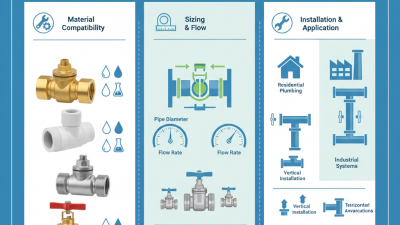
Choosing among the top 10 floating ball check valve manufacturers requires more than comparing prices or catalog photos. The right supplier should understand your medium, pressure range, temperature, flow direction, and installation space. A valve for clean water may fail quickly in abrasive slurry. Seat material matters.

Ask manufacturers for pressure-test records, material certificates, dimensional drawings, and clear maintenance instructions. Reliable suppliers explain how their valves perform under surge conditions, frequent cycling, and horizontal or vertical installation. Check whether the ball, body, and seals match your process chemistry. Independent quality audits and traceable inspection data add confidence.

Tips: Request a sample technical review before ordering. Confirm the required end connection and face-to-face dimension. Ask about replacement seats and delivery times. A lower-cost valve may appear efficient, but field experience often reveals hidden costs through leakage, vibration, or difficult servicing. I have seen specifications look complete while omitting temperature limits. That detail deserves a second look. Test evidence should support every important claim.