Essential Tips for Choosing Hexagon Socket Cap Screws?
Choosing the right fasteners is crucial for any project. Hexagon socket cap screws are a popular choice among engineers and builders. As Paul Reynolds, an expert in fastener technology, once stated, “A hexagon socket cap screw can make or break the integrity of your assembly.” This highlights their significant role in ensuring structural reliability.
Selecting the appropriate hexagon socket cap screw involves understanding various factors. These include material, strength, and thread pitch. Many people overlook the specific application requirements. This oversight can lead to expensive failures down the line. It’s essential to analyze your project’s demands closely to find the best fit.
Attention to detail is vital. Not all hexagon socket cap screws are created equal. Misjudging their specifications could result in structural issues. So, take the time to review all options available. Explore materials ranging from stainless steel to alloy. The right choice can provide durability and performance for your project. However, it’s easy to rush and miss crucial details. Being thorough is necessary for achieving the right balance in any assembly.
Understanding Hexagon Socket Cap Screws and Their Applications
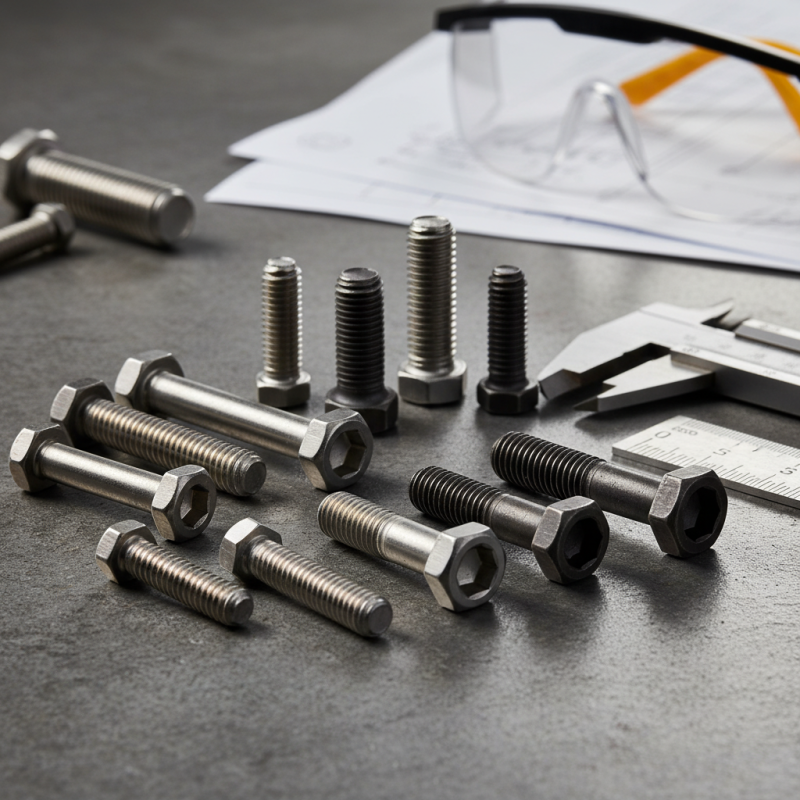
Hexagon socket cap screws are versatile fasteners commonly used in various applications. Their design features a cylindrical head with a hexagonal recess, allowing for a secure grip. This allows tools to exert a high torque without slipping. Such a feature is crucial in metal fabrication, automotive engineering, and woodworking, ensuring safety and reliability.
Understanding the applications of these screws is key to choosing the right type for your project. They are often used where tight spaces limit tool access. In machinery, for example, a high-strength cap screw can endure significant stress and vibrations. However, selecting the wrong material can lead to premature failure. Consideration of environmental factors is also vital; for instance, stainless steel screws are preferred in corrosive environments.
Beyond material and strength, pay attention to thread specifications. Choosing fine vs. coarse threads impacts the screw's grip in different materials. The decision can affect assembly and disassembly ease. Reflecting on past projects can highlight common issues faced when using hexagon socket cap screws, guiding future choices. Always ensure you are aware of the specific requirements of your application before purchasing these fasteners.
Key Factors to Consider When Selecting Hexagon Socket Cap Screws
When selecting hexagon socket cap screws, several key factors arise. The material is crucial. Stainless steel offers resistance to rust, while carbon steel is strong but may corrode without treatment. Ensure you assess the environmental conditions where the screws will be used.
Another important aspect is the head size. A larger head can provide more surface area for torque application. However, this might not be suitable for all applications. Consider the space available for installation. Tight spaces might require a smaller head.
Tips to keep in mind: Always verify the screw size against the related equipment specifications. Additionally, don’t overlook threading. Coarse threads provide strength, while fine threads allow for better adjustment. Be cautious when selecting the grade; higher grades offer more strength but might be more brittle. Careful consideration of these factors can enhance both the integrity and efficiency of your projects.
Essential Tips for Choosing Hexagon Socket Cap Screws
| Dimension | Material | Strength Grade | Coating Type | Recommended Torque (Nm) |
| M6 | Stainless Steel | A2-70 | Plain | 8.5 |
| M8 | Carbon Steel | 8.8 | Zinc Plated | 18 |
| M10 | Alloy Steel | 10.9 | Black Oxide | 30 |
| M12 | Stainless Steel | A4-80 | Natural | 50 |
Materials and Coatings for Durability and Performance
When choosing hexagon socket cap screws, material and coating are crucial. Steel is the most common option. It offers strength but lacks corrosion resistance. Stainless steel provides better durability. It resists rust, making it ideal for outdoor use. However, it can be more expensive.
Coatings also play a vital role. A black oxide finish enhances appearance and offers minor corrosion resistance. However, it may not hold up in harsh environments. Zinc coatings are popular too. They are cost-effective and provide significant corrosion protection. Yet, over time, the zinc can wear off, exposing the screw to potential damage.
Consider the environment where the screws will be used. Extreme temperatures can affect material performance. Some coatings may not perform well under heat or moisture. Always balance cost with performance needs. Testing different materials may lead to unexpected results. Understanding your project needs is essential to making informed decisions.
Sizing and Thread Specifications for Proper Fit
When selecting hexagon socket cap screws, proper sizing and thread specifications are crucial. A common mistake is overlooking the dimensions. Always measure the diameter and length to ensure a perfect fit. The thread pitch also varies, influencing how securely the screw can hold materials together. Understanding the thread specifications will prevent stripped screws and enhance joint integrity.
Another factor is the material of the socket cap screws. Different applications require different materials. Stainless steel works well for outdoor use. In contrast, carbon steel might be better for indoor projects. Consider the environment and stress factors involved in your project. The details matter. Even slight discrepancies in sizing can lead to significant issues in the long run.
If you find yourself unsure about the right choice, don’t hesitate to consult with professionals. Online resources may provide basic guidance, but expert advice can clarify complex specifications. Missing the right measurements can lead to frustration. Investing time in proper selection saves effort and money later.
Common Mistakes to Avoid When Choosing Cap Screws
When selecting hexagon socket cap screws, many overlook crucial details. One common mistake is ignoring the screw's material. Different materials offer varied strength and corrosion resistance. For instance, stainless steel screws resist rust, but may not suit all environments. Make sure to evaluate the surrounding conditions and project requirements.
Another error is choosing the wrong size. Proper sizing affects strength and fit. Too large or small screws can lead to failures. Always refer to charts for dimension specifications. Inadequate knowledge of torque values is also critical. Over-tightening can strip threads, while under-tightening leaves joints loose. Familiarize yourself with the torque needed for your application.
Lastly, don't underestimate quality. Cheaper screws may seem appealing, but their performance often suffers. Subpar screws can cause costly repairs or project delays. It's essential to prioritize quality over price to ensure reliable results. Reflect on these aspects when making your choice, to avoid future complications.
