Blogs | Steelstrong Valves

What is a Precision Air Conditioner and How Does It Work?

A Precision Air Conditioner is a sophisticated cooling solution designed for critical environments. Unlike standard air conditioning systems, it offers precise temperature and humidity control. These features are vital for data centers, laboratories, and sensitive manufacturing processes.

The technology behind Precision Air Conditioners ensures reliable operation even during the most demanding conditions. These units adjust their cooling output based on real-time data. Users can experience significant energy savings through optimized performance. However, selecting the right unit may require careful consideration of specific needs.

Despite their advantages, Precision Air Conditioners can also present challenges. Maintenance is crucial for sustained efficiency. Users may find it daunting to oversee regular service checks. Understanding the system's mechanics can feel overwhelming for some. The balance between complexity and reliability is something to reflect on when investing in this technology.
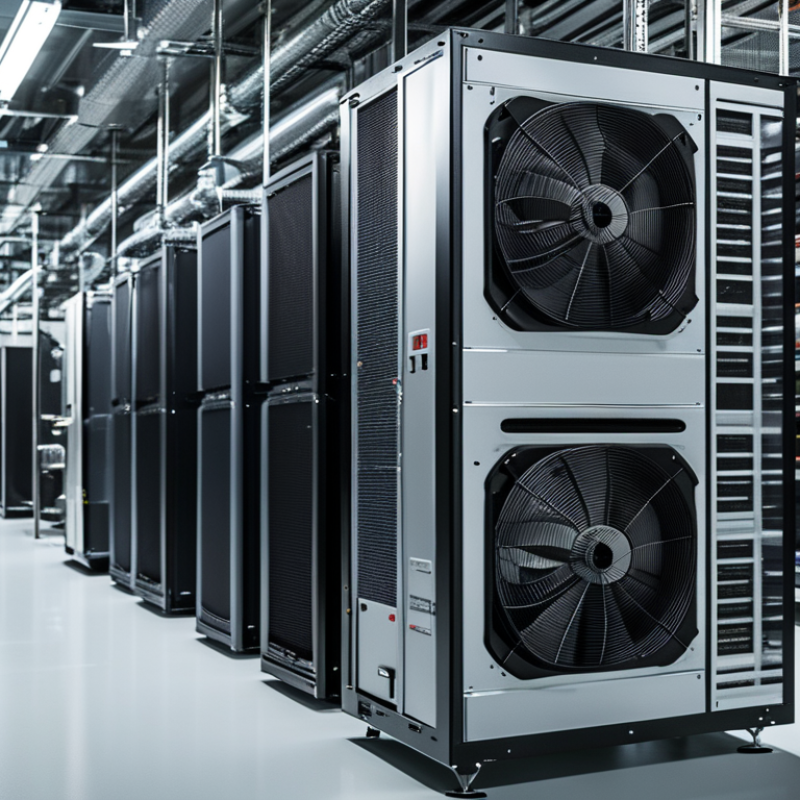
What is a Precision Air Conditioner and How Does It Work?

What is a Precision Air Conditioner?

A precision air conditioner is designed to maintain specific temperature and humidity levels in data centers and sensitive environments. Unlike standard units, it focuses on the exact needs of electronic equipment. This is essential for preventing overheating and ensuring efficiency.

These units employ advanced technology to regulate airflow and monitor conditions continuously. They are equipped with precise sensors that detect temperature fluctuations and humidity changes. The compressor and fans adjust automatically to maintain optimal conditions.

Despite their effectiveness, precision air conditioners can present installation challenges. Proper placement and calibration are crucial for achieving desired results. Sometimes, the initial setup may not meet expectations, requiring fine-tuning. Regular maintenance is also necessary to avoid performance issues over time.

Key Features of Precision Air Conditioners

Precision air conditioners are specialized cooling systems designed to maintain exact temperature and humidity levels. They are essential in environments where stability is crucial, such as data centers or laboratories. Understanding their key features helps you appreciate their importance.

One significant feature is the ability to control temperature with high accuracy. Many systems have digital controls, enabling precise adjustments. Another key aspect is humidity regulation. Maintaining ideal humidity levels is vital for protecting sensitive equipment. Precision air conditioners often come with advanced sensors to monitor these factors continuously.

Energy efficiency is also a crucial attribute. Many modern units are designed to consume less power while providing superior cooling. However, it's important to note that costs can be higher upfront. Users may need to consider the long-term savings against initial expenses.
These systems may require regular maintenance, which can be overlooked. Understanding these factors helps users make informed decisions about implementation.

How Precision Air Conditioners Operate: A Technical Overview

Precision air conditioners are designed to maintain tight environmental controls. They are especially crucial in settings like data centers or laboratories. These units focus on temperature, humidity, and air quality. Maintaining stable conditions is essential for equipment and sensitive processes.

Unlike traditional air conditioning systems, precision units employ advanced algorithms for monitoring. They utilize sensors to detect changes in temperature and humidity. When a fluctuation occurs, the system reacts quickly. This responsiveness helps prevent damage or operational issues. Components work together, ensuring optimal performance. Regular maintenance can enhance reliability, yet many users overlook this aspect.

A downside of precision air conditioning is their complexity. They require a skilled technician for installation and service. Users may find it confusing to operate without proper training. Moreover, energy consumption can be higher compared to standard systems. Balancing efficiency and effectiveness is a constant consideration for users. The initial investment is significant, but the benefits often justify the expense when equipment longevity and performance are at stake.

Common Applications of Precision Air Conditioning Systems

Precision air conditioning systems play a crucial role in environments that require stringent temperature and humidity control. Common applications include data centers, laboratories, and healthcare facilities. These systems maintain stable conditions to protect sensitive equipment and critical research.

In data centers, precision air conditioners ensure that servers operate efficiently. Overheating can lead to equipment failure. Moreover, labs benefit from precise climate control during experiments. Fluctuations can compromise results. In healthcare facilities, these systems are vital for operating rooms and storage areas, safeguarding both patient health and the integrity of medications.

While precision air conditioning is essential, challenges exist. Installation can be complex and costly. Regular maintenance is necessary to prevent breakdowns. Some facilities may underestimate their cooling needs and end up with inadequate systems. Ultimately, understanding the specific requirements of each application is key to optimizing performance. This ongoing reflection on the system's effectiveness can lead to improvements and better outcomes.

What is a Precision Air Conditioner and How Does It Work? - Common Applications of Precision Air Conditioning Systems

Dimension Value
Cooling Capacity 5-50 kW
Temperature Range 18°C to 27°C
Humidity Control 30% to 80%
Power Consumption 1.5 - 20 kW
Applications Data centers, Telecom rooms, Laboratories, Hospitals
Maintenance Frequency Quarterly
Efficiency Rating SEER 14 - 26

Benefits of Using Precision Air Conditioners in Controlled Environments

Precision air conditioners are essential for spaces that require strict temperature control. These units maintain optimal conditions in data centers, laboratories, and museums. They provide consistent cooling, even when outside temperatures fluctuate. This reliability ensures sensitive equipment and valuable items are protected from heat damage.

One major benefit of using precision air conditioners is energy efficiency. They often use advanced technologies to reduce power consumption, saving costs in the long run. Moreover, these units allow for precise humidity control. This feature is crucial in environments where moisture can lead to the deterioration of materials. Controlling humidity also enhances comfort in controlled spaces.

Tips: Always monitor the temperature and humidity settings regularly. Small adjustments can make a big difference. Consider the layout of your space; airflow can be affected by furniture placement. It’s important to conduct routine maintenance on the system to ensure it operates efficiently. Remember, even small issues can escalate if not addressed quickly.

Benefits of Using Precision Air Conditioners in Controlled Environments

This chart illustrates the key benefits of using precision air conditioners in controlled environments. The ratings reflect the importance of energy efficiency, temperature and humidity control, reliability, and cost-effectiveness based on industry standards.