
How to Choose the Right Gate Valve?
Choosing the right gate valve begins with the service conditions, not the catalog photograph. The U.S. Environmental Protection Agency’s 2023 Drinking Water Infrastructure Needs Survey and Assessment estimates $625 billion in drinking-water infrastructure needs over 20 years. That figure covers much more than valves, but it highlights the cost of reliable, maintainable system components. A poorly matched valve can complicate isolation, maintenance, or future replacement.
A gate valve is generally selected for on-off isolation, rather than frequent throttling. Check the fluid, operating pressure and temperature, pipe size, end connections, and required materials before comparing designs. API Standard 600 covers bolted-bonnet steel gate valves, while ASME B16.34 addresses valve pressure-temperature ratings and construction requirements. These standards help define a sound starting point; they do not replace review of the actual operating conditions. Look closely at seat and trim materials, stem arrangement, actuator needs, and available installation space. A handwheel that clears the drawing may still be awkward beside a wall. Small detail. Also confirm maintenance access and the manufacturer’s documentation. No single gate valve suits every line, and selection can involve trade-offs that are easy to overlook. The sections below explain how to weigh those factors and choose a valve that fits the system, not just the specification sheet.
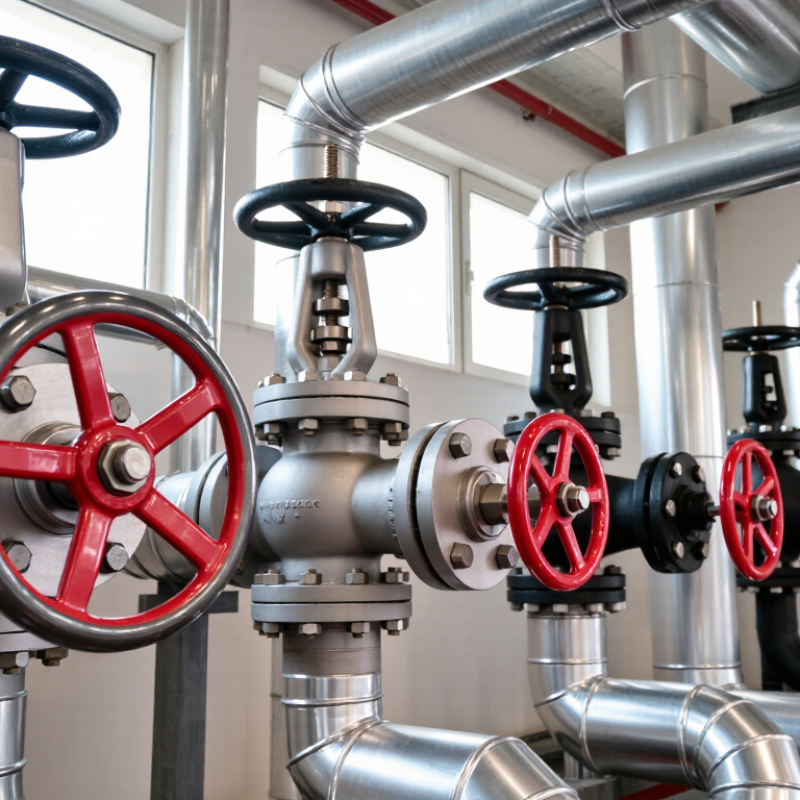
Identify the Application and Operating Conditions
Choosing a gate valve starts with understanding what the line carries and how it operates. Is the medium clean water, hot oil, steam, or a fluid with suspended grit? Each can affect material selection, sealing, and wear. Record the normal and maximum pressure and temperature, including startup surges. A valve chosen only from average readings may struggle when conditions change.
Consider how often the valve will operate and whether it must provide tight shutoff. Gate valves are generally intended for fully open or fully closed service, not routine throttling. Partly open operation can cause vibration and seat damage. Small details matter. Check the available space, pipe orientation, handwheel clearance, and whether operators can reach the valve safely. For a buried installation, stem extension and access for maintenance deserve attention.
Field conditions rarely match a tidy specification sheet perfectly. A line may contain more sediment than expected, or a pump may create pressure spikes during startup. Be candid about these uncertainties. Confirm the fluid, operating range, connection dimensions, and required shutoff performance with current system records and a qualified valve specialist. Where the service is corrosive or unusually hot, verify compatibility against documented material limits rather than relying on appearance or habit.
How to Choose the Right Gate Valve? — Identify the Application and Operating Conditions
| Application or Operating Condition | Selection Consideration | Typical Configuration or Material | Important Checks |
|---|---|---|---|
| Clean water or general utility service | For infrequent operation and reliable on/off isolation, choose a valve sized to match the pipeline and required flow capacity. | Wedge gate valve; body and trim materials selected for the water chemistry and applicable piping specification. | Check pressure rating, end connections, corrosion allowance, and whether the valve is intended for buried or above-ground installation. |
| Potable water distribution | Confirm that wetted materials and coatings meet the relevant local drinking-water requirements. | Resilient-seated or metal-seated design, depending on the system specification and service requirements. | Verify approved materials, coating suitability, operating torque, and access for maintenance. |
| Steam or high-temperature service | Account for operating temperature, pressure, thermal cycling, and the strength of the selected materials at temperature. | Metal-seated gate valve with body, bonnet, stem, and trim specified for the service conditions. | Use the pressure–temperature rating for the exact material and applicable standard; consider thermal expansion and packing requirements. |
| Oil, gas, or process piping | Specify the fluid composition, design pressure, temperature range, shutoff expectations, and any hazardous-service requirements. | Wedge or parallel-slide design, selected according to the process specification and operating conditions. | Check material compatibility, applicable codes, fire-safe or emissions requirements where required, and end-connection details. |
| Slurry, wastewater, or fluids containing solids | Assess solids concentration, particle size, abrasiveness, settling, and the risk of material accumulating in the valve body. | A knife gate valve may be suitable for some slurry or solids-handling duties; a conventional wedge gate valve may not be appropriate. | Confirm the valve is designed for the actual solids and flow direction; review seat design, wear parts, and maintenance access. |
| Corrosive or chemically reactive fluids | Select materials based on the full chemical composition, concentration, temperature, and exposure conditions. | Body, stem, gate, seat, and seals chosen from compatible metallic or non-metallic materials. | Check a qualified chemical-compatibility source and verify that every wetted component—not just the body—is suitable. |
| Frequent cycling or automated operation | Confirm the required operating frequency, actuator torque, available power, and fail-position requirements. | Actuator-equipped gate valve only when its operating duty and cycle requirements are within the manufacturer's limits. | Gate valves are generally intended for on/off isolation, not routine throttling; consider a control valve if flow regulation is required. |
| Limited space or restricted access | Check installation clearance, stem travel, handwheel access, and the available space above the valve. | Rising-stem or non-rising-stem design selected to suit the layout and maintenance plan. | Rising stems show gate position but require overhead clearance; non-rising stems need less vertical space but may make position less visible. |
| High pressure drop sensitivity when fully open | A gate valve can provide a relatively unobstructed flow path when fully open, depending on its design and size. | Full-port design where specified by the system; confirm the actual bore and flow characteristics in the valve data. | Do not assume every gate valve has a full-bore passage. Compare pressure-loss data for the specific valve and operating point. |
| Outdoor, buried, or hard-to-reach installation | Consider environmental exposure, drainage, access, corrosion protection, and the method of operation. | Stem, coating, gearbox, extension, and operator accessories selected for the installation arrangement. | Plan for inspection and operation; verify buried-service suitability and protection against water ingress or external corrosion. |
Selection reminder: Confirm the design pressure and temperature, fluid compatibility, required shutoff performance, valve size, end connections, applicable standards, and installation requirements against the project specification. Final selection should be checked by a qualified piping or valve professional.
Related Posts
-

Top 10 Gate Valve Types Every Engineer Should Know for Optimal Performance
-

Top 10 Tips for Choosing the Right Gate Valve for Your Needs
-
Top 10 Best Stainless Steel Check Valves for Reliable Performance?
-
7 Best Gate Valve and Globe Valve Manufacturers Worldwide
-

Top Industrial Gate Valve Manufacturers for Global Buyers?
-

Top 10 Floating Ball Check Valve Manufacturers?