2026 How to Choose the Right Ball Check Valve for Your Needs?
Selecting the right ball check valve is crucial for various industrial applications. A ball check valve is specifically designed to prevent backflow, ensuring the smooth operation of fluid systems. However, not all ball check valves are created equal. Factors such as material, size, and pressure rating greatly impact their performance and longevity.
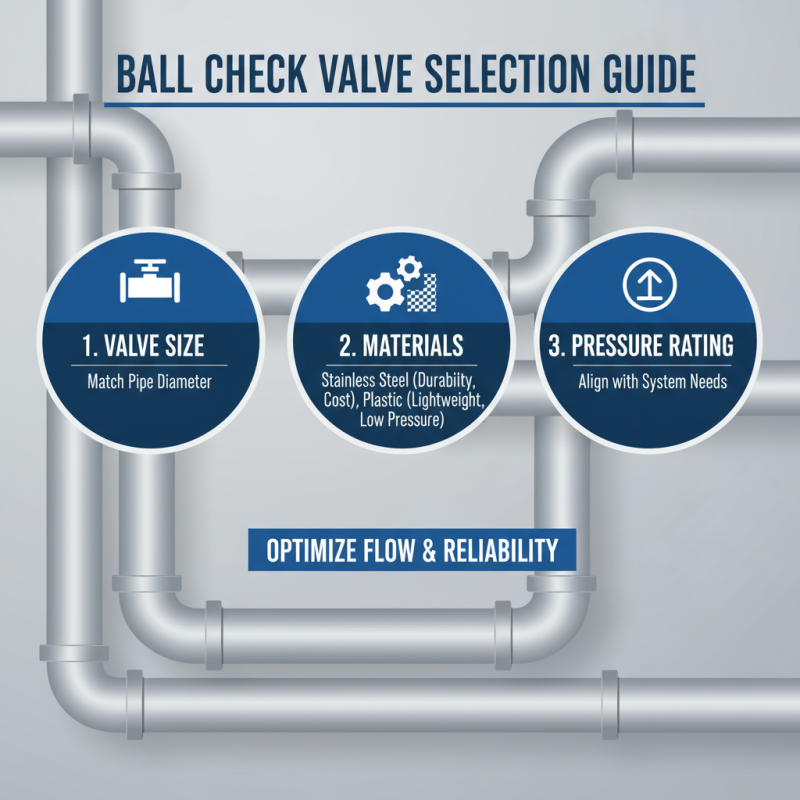
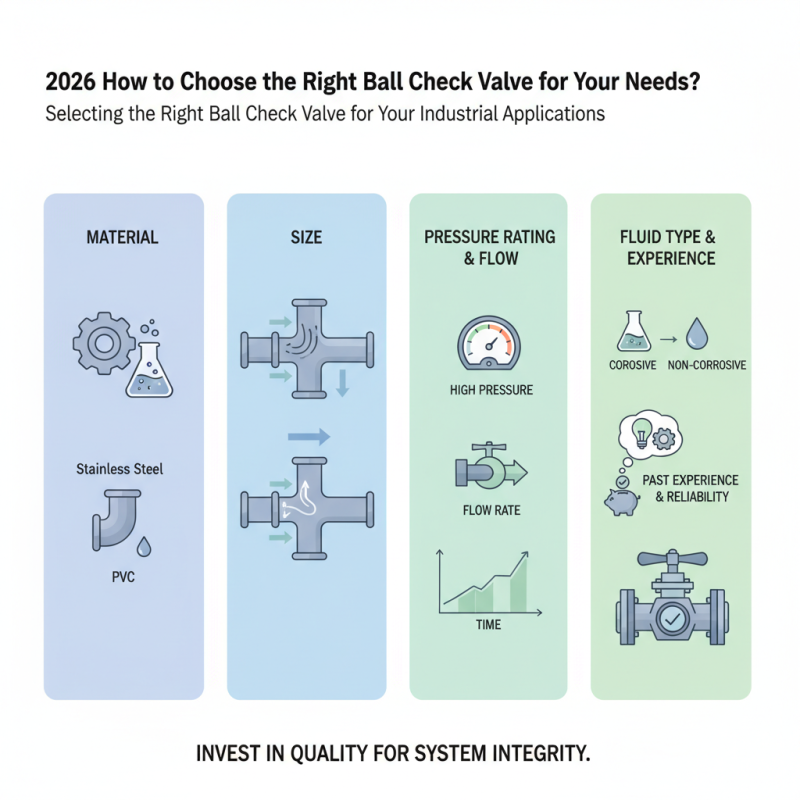
When choosing a ball check valve, consider the environment it will operate in. Different materials resist corrosion differently. For instance, stainless steel might suit harsh chemicals, while PVC can handle less aggressive fluids. Additionally, size matters. An improperly sized valve can lead to inefficiency or even system failure.
Understanding your specific needs is vital. This includes the flow rates, pressure requirements, and the type of media being used. Reflecting on past experiences can guide your decision. Sometimes, the cheapest option may not endure as long as a quality valve. Therefore, investing in a reliable and suitable ball check valve is essential for securing the integrity of your system.
Understanding Ball Check Valves: Basics and Functionality
Ball check valves play a crucial role in fluid systems. They allow fluid to flow in one direction, preventing backflow. This is essential in many applications, from water treatment to industrial processing. According to industry reports, improper selection can lead to system failures and costly downtimes. Understanding the functionality of ball check valves helps avoid these pitfalls.
These valves operate using a spherical ball that sits in a valve seat. When the flow enters from one end, it pushes the ball away from the seat, allowing fluid passage. If the flow reverses, the ball is seated back, blocking the reverse flow. This simple yet effective design minimizes turbulence and pressure drop, making it suitable for various applications. Tests have shown that improperly sized valves can reduce efficiency by up to 25%.
Selecting the right ball check valve requires attention to detail. Consider factors such as material compatibility, pressure ratings, and size. A mismatch can lead to failure points, increasing maintenance costs. For instance, using a valve not rated for high temperature can cause premature wear. Understanding these details can significantly enhance system reliability and performance.
Materials and Design Options for Ball Check Valves
When selecting a ball check valve, materials and design can greatly influence performance. Common materials include stainless steel, brass, and PVC. Each material offers distinct advantages. For example, stainless steel is known for its durability and resistance to corrosion, while PVC provides excellent chemical resistance at a lower cost. According to a recent industry report, over 40% of users prefer stainless steel in environments with high pressure and temperature variations.
Design is another crucial factor. Ball check valves come in various designs, such as spring-loaded or free-floating types. Spring-loaded options tend to provide better sealing at low pressures. In contrast, free-floating designs are ideal for higher flow rates. Studies show that choosing the right design can improve efficiency by as much as 30%. However, many users underestimate the impact of design on operational reliability.
When considering these options, reflect on your specific application. Are you dealing with corrosive materials? Is the pressure within your system stable? Each decision can lead to either enhanced or hindered performance. Seek guidance from industry experts and validators to ensure your investment aligns with your operational needs.
2026 How to Choose the Right Ball Check Valve for Your Needs? - Materials and Design Options for Ball Check Valves
| Material |
Design Option |
Temperature Range (°F) |
Pressure Rating (PSI) |
Application Examples |
| Stainless Steel |
Full Port |
-40 to 300 |
150 |
Water, Oil |
| Brass |
Standard |
-20 to 200 |
200 |
HVAC, Gas |
| Plastic |
Compact |
-10 to 140 |
50 |
Chemical Processing |
| Ductile Iron |
Wafer |
32 to 250 |
300 |
Wastewater |
Common Applications of Ball Check Valves in Various Industries
Ball check valves are crucial in various industries for maintaining flow direction and preventing backflow. In the water and wastewater sector, they are often utilized in pump systems. A report by the American Water Works Association (AWWA) highlights that effective backflow prevention can reduce water treatment costs by 20-30%. That's significant savings for municipalities and industries alike.
In the oil and gas industry, these valves play a vital role. The global market for oil and gas valves is expected to reach $85 billion by 2026, according to Market Research Future. Properly selecting ball check valves can enhance efficiency in pipeline operations. However, many organizations still overlook the importance of regular maintenance. Neglected valves can lead to costly leaks or system failures.
The manufacturing sector also extensively uses ball check valves. They ensure smooth operations in automated processes. Yet, a study from the International Society of Automation (ISA) cites that about 40% of equipment failures are due to improper valve selection or maintenance. This statistic serves as a reminder of the need for informed choices in valve selection and consistent upkeep to optimize performance.
Common Applications of Ball Check Valves in Various Industries
Maintenance and Troubleshooting Tips for Ball Check Valves
Ball check valves are crucial in fluid systems, ensuring one-way flow. However, improper maintenance can lead to serious issues. Regular inspections are essential. According to a recent industry report, nearly 30% of valve failures stem from inadequate maintenance practices.
Start with visual checks. Look for leaks or corrosion around the valve. Listen for unusual noises during operation. These could indicate wear or misalignment. Many maintenance professionals emphasize the need for routine disassembly. A thorough cleaning prevents buildup, which can obstruct flow. If the valve is stuck, it often requires manual intervention. Industry data shows that 20% of ball check valves fail due to debris accumulation.
When troubleshooting, pay attention to the environment. Extreme temperatures can affect valve performance. If fluid characteristics change, so should maintenance protocols. Document findings from inspections. This practice enhances reliability. Reflect on past failures; they provide valuable lessons. Ignoring minor issues can lead to major downtime. Inadequate responses to maintenance needs can undermine operational efficiency.