Blogs | Steelstrong Valves

Top 5 Tips for Effective Electrostatic Coating Techniques?

Electrostatic Coating is a powerful technique used in various industries for its efficiency and cost-effectiveness. This method relies on the application of charged particles, enabling even coverage on complex surfaces. Many companies have adopted this technique to enhance product quality and performance. However, mastering Electrostatic Coating requires knowledge and practice.

Implementing effective Electrostatic Coating techniques can be challenging. Factors such as humidity, surface preparation, and equipment settings often influence the final results. Small inconsistencies can lead to defects or uneven finishes. Learning from mistakes is essential to improve the process. It's common for practitioners to encounter issues like poor adhesion or overspray. Reflecting on these experiences can lead to better practices.

Successful application of Electrostatic Coating is not just about following guidelines; it involves understanding the intricacies of the method. This overview seeks to highlight key tips to optimize your coating experience. By leveraging expertise and continually evaluating your techniques, you can achieve superior results.
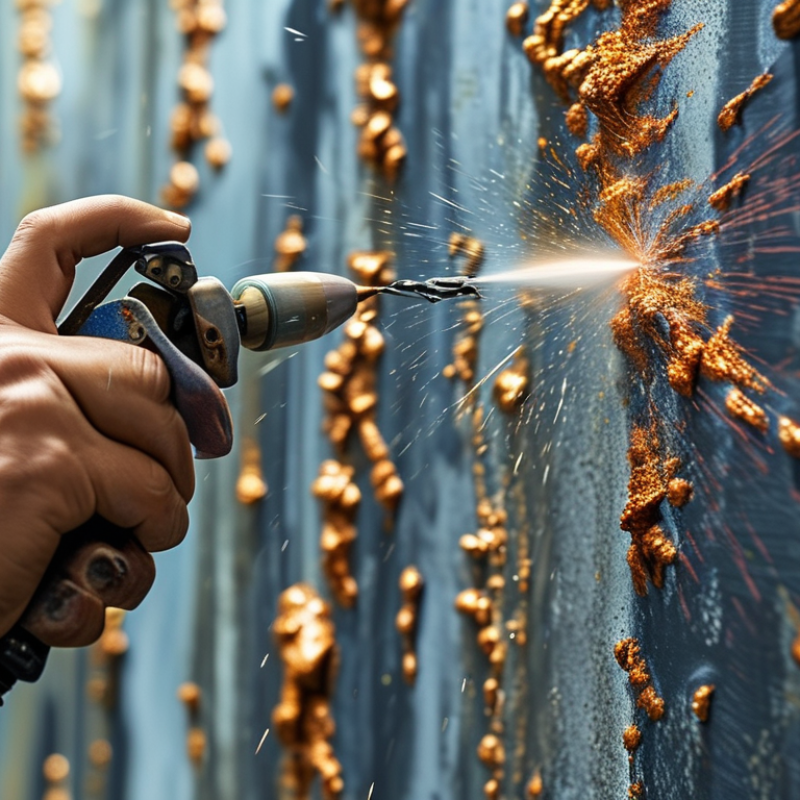
Top 5 Tips for Effective Electrostatic Coating Techniques?

Understanding Electrostatic Coating and Its Advantages

Electrostatic coating has gained recognition for its efficiency and effectiveness in various applications, particularly in manufacturing and finishing industries. This technique uses electrical charge to attract paint particles to a surface. According to recent industry reports, about 90% of the coating material effectively adheres to the substrate, minimizing waste and improving efficiency. This not only reduces costs but also contributes to a more environmentally responsible approach.

The advantages of electrostatic coating extend beyond just material efficiency. It allows for uniform coverage, even on complex geometries. Data indicates that components coated electrostatically have more consistent finishes, which can lead to enhanced durability. Additionally, manufacturers often report reduced labor costs due to the simplified application processes. However, challenges remain. Factors like humidity and temperature can impact the curing process, and achieving an optimal application still requires skilled operators.

Further analysis reveals that about 30% of companies struggle with achieving the perfect thickness in their applications. This inconsistency can lead to rework, which undermines the technique's cost-saving potential. Hence, while electrostatic coating is advantageous, continual reflection on process improvements is essential for achieving the desired results.

Essential Equipment for Successful Electrostatic Coating

Electrostatic coating is a sophisticated process that requires precise equipment to achieve optimal results. Central to this technique is the electrostatic spray gun, which induces a high voltage that charges the paint particles. According to a report by the Industrial Finishing Institute, using charged particles improves transfer efficiency by up to 95%. This reduces waste and ensures a smooth, even finish.

The control unit is another critical component. It regulates voltage and current, enabling the user to fine-tune settings based on the material being coated. Studies show that improperly calibrated settings can lead to uneven application or excessive overspray. Another essential piece of equipment is the spray booth. A well-ventilated booth ensures that hazardous fumes are contained, improving safety and compliance with regulations. Safety data reports highlight that workplaces with adequate ventilation reduce inhalation risks by 70%.

While equipment choices are essential, attention to maintenance is crucial. Regular cleaning of the spray gun and other tools is necessary to avoid blockages that can disrupt coating quality. The experience of many technicians reveals that neglecting maintenance often leads to costly downtime. Understanding the equipment's nuances can enhance efficiency, but the learning curve can be steep for those new to the process.

Preparation and Pre-Treatment for Optimal Coating Results

Preparation and pre-treatment play a crucial role in achieving optimal results with electrostatic coating techniques. Properly preparing surfaces can significantly enhance adhesion and overall finish quality. One key tip is to thoroughly clean the substrate. Dust, grease, and moisture can undermine coating effectiveness. Use solvents that effectively remove contaminants.

Another essential aspect is surface profiling. Creating a textured surface can improve mechanical bonding of the coating. Techniques such as sandblasting or using abrasives are common methods. However, it’s vital to ensure the profile is consistent. Inconsistencies can lead to uneven coating thickness and performance issues.

Consider the environmental conditions during application. Temperature and humidity impact drying times and adhesion. Aim for stable conditions to maximize coating performance. Awareness of these factors is essential. Electrostatic coating may require adjustments based on your specific environment. Test different setups and document outcomes for future reference. Experience will guide you in refining techniques.

Techniques for Achieving Uniform and Consistent Coating

Electrostatic coating is essential in many industries. Achieving a uniform and consistent finish can be challenging. Recent studies indicate that up to 60% of coating defects arise from uneven application. This emphasizes the need for precision in the coating process.

One practical technique involves adjusting the voltage. This can enhance the attraction between the powder and the substrate, promoting uniform coverage. Additionally, selecting the right nozzle size is crucial. Data shows that a smaller nozzle can provide better control over the spray pattern, minimizing overspray and wastage. Another important factor is the environment. Humidity and temperature can affect the coating process significantly. Maintaining a controlled environment can lead to improvements in consistency.

However, even with these techniques, imperfections may still occur. Operators must remain vigilant and perform regular quality checks. Continuous training on handling equipment is vital. The goal is to reduce errors and improve overall efficiency. Embracing a culture of reflection and adjustment can lead to better outcomes in electrostatic coating.

Preventing Common Issues in Electrostatic Coating Processes

Electrostatic coating is a powerful technique, but it often faces common issues. One issue is uneven coating distribution. This happens when the charged particles do not evenly adhere to the surface. Ensuring an optimal distance between the spray gun and the target can help. Adjust according to the shape of the object being coated. Additionally, cleaning the surface thoroughly beforehand is crucial. Contaminants can interfere with adhesion.

Another common problem is overspray. This occurs when excess paint particles land outside the intended areas. To minimize overspray, calibrate the electrostatic system. Make sure the voltage settings are appropriate for your materials. A lower voltage can reduce the attraction of particles to unwanted areas. It’s a fine balance that requires attention but pays off in reduced waste.

Finally, drying time can be inconsistent. Humidity and temperature greatly affect coat quality. Regular monitoring of environmental conditions is essential. You might want to invest in better ventilation and temperature control. Every coating process can have its flaws. Recognizing these issues is the first step to improving the effectiveness of electrostatic coating techniques.