What is Continuous Pyrolysis Plant and How Does it Work?
The Continuous Pyrolysis plant represents a pivotal development in waste-to-energy technologies. This innovative system efficiently converts various waste materials into valuable resources, such as bio-oil, gas, and char. According to a recent report by ResearchAndMarkets, the global pyrolysis market is expected to reach $1.9 billion by 2026, reflecting the growing interest in sustainable waste management.
Dr. Emily Carter, a leading expert in the pyrolysis field, emphasizes its significance: "Continuous Pyrolysis technology offers a transformative way to handle waste and produce energy." Such systems provide a continuous feed mechanism, ensuring a steady output of end products. The environmental benefits are substantial, reducing landfill waste and emissions.
Despite these advances, challenges remain. Not all feedstock is suitable, which necessitates further research. Industry professionals are urged to explore these limitations to optimize the potential of Continuous Pyrolysis plants. Engaging with this technology is essential for a sustainable future and effective waste management.
What is a Continuous Pyrolysis Plant?
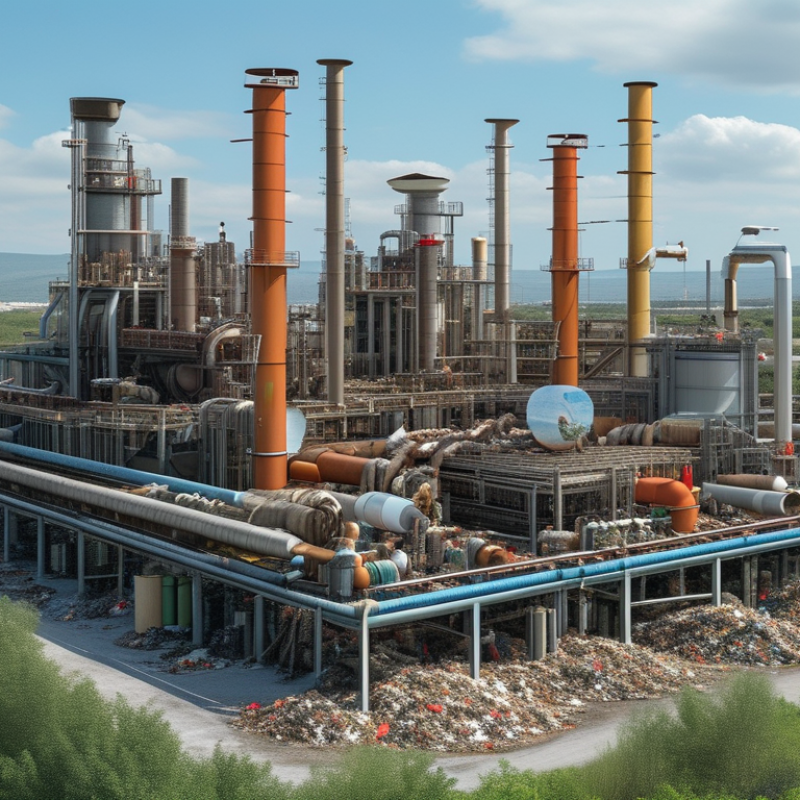
A Continuous Pyrolysis Plant is a sophisticated facility designed for converting organic materials into valuable products. This process occurs in a closed system without oxygen, typically using heat to break down the material. The main goal is to transform waste such as plastic and biomass into oil, gas, and char.
Operating a Continuous Pyrolysis Plant involves several stages. The feedstock is fed continuously into a reactor. As it moves through, heat is applied, causing thermal decomposition. The byproducts, including pyrolysis oil and syngas, are collected and can be further processed or utilized as fuel. Even though the process seems efficient, managing the heat and keeping the system at optimal levels can be challenging.
The efficiency of a Continuous Pyrolysis Plant depends on many factors. Material consistency and moisture content play critical roles. Operators must monitor each variable closely. This requires experience and technical knowledge. Not every batch will yield the same results, highlighting the need for ongoing adjustments. Learning from inefficiencies is crucial for improving output and reducing waste.
Key Components of a Continuous Pyrolysis Plant
Continuous pyrolysis plants are sophisticated systems designed to convert organic materials into valuable products through thermal decomposition. Key components play a crucial role in their efficiency and effectiveness. One of the most vital elements is the reactor, where the pyrolysis process occurs. The temperature in the reactor typically ranges from 350°C to 800°C. This temperature control directly influences the yield of bio-oil, char, and gas.
The feedstock feeding system is another essential component. It ensures a steady supply of raw materials, such as plastic waste or biomass. Automated feeding systems increase reliability but require regular maintenance. According to the latest industry report by ResearchAndMarkets, the continuous pyrolysis market is expected to grow at a CAGR of 12% until 2027, showcasing the rising demand for sustainable waste management solutions.
Gas scrubbing and cooling systems are also critical. They help purify the syngas produced, preventing harmful pollutants from entering the atmosphere. This step is necessary for compliance with environmental regulations, which can vary globally. Lack of proper scrubbing can lead to significant air quality issues, reminding operators of the need for caution. By understanding these components, businesses can optimize their pyrolysis processes and contribute to a more sustainable future.
The Pyrolysis Process Explained: Step by Step
The pyrolysis process transforms organic material into useful products like oil and gas. It operates in several key steps. First, feedstock is prepared. Common materials include plastics, rubber, and biomass. Properly shredding these materials ensures maximum efficiency during pyrolysis.
Once the feedstock is ready, it enters the reactor. Heating occurs without oxygen. The temperature typically ranges from 350°C to 500°C. As the material heats, it breaks down chemically. Reports indicate that around 30-40% of the input can be converted into bio-oil. The remaining materials become gas and char.
After pyrolysis, the products require further treatment. For instance, the bio-oil may need condensation and filtration. The gas can be utilized as energy for the process itself. An industry report estimated global demand for pyrolysis technologies could exceed $8 billion by 2027. This highlights the growing recognition of pyrolysis as a sustainable waste management solution. Despite its advantages, challenges remain in optimizing yields and ensuring energy efficiency. Continuous improvement is necessary to make these systems more reliable.
Continuous Pyrolysis Plant: Process Efficiency Over Time
This chart illustrates the efficiency metrics for a Continuous Pyrolysis Plant. The data points represent key parameters influencing the pyrolysis process, including operational temperature, the number of reactors used, residence time, product yield, and energy consumption. These metrics are crucial for understanding and optimizing the pyrolysis process.
Applications and Benefits of Continuous Pyrolysis
Continuous pyrolysis plants are gaining attention for their innovative waste management solutions. They effectively convert organic materials into fuels and other valuable products. This process involves thermal decomposition of materials in the absence of oxygen, yielding biochar, oil, and syngas.
The applications of continuous pyrolysis are diverse. Municipal waste can be transformed into energy, reducing landfill usage. Tire pyrolysis addresses rubber waste, producing oil and gas. Industrial applications benefit too, as biomass can be converted into renewable fuels. This not only promotes environmental sustainability but also contributes to energy independence.
The benefits extend beyond waste reduction. Continuous pyrolysis optimizes resource recovery, enabling recycling of materials into useful products. However, the technology is not without its complexities. Initial setup costs can be high, and operational challenges may arise. It's crucial to evaluate the feasibility and return on investment carefully. Balancing the advantages with potential hurdles is essential for successful implementation.
Environmental Impact and Sustainability of Continuous Pyrolysis
Continuous pyrolysis plants are increasingly recognized for their role in waste management and sustainability. These systems convert organic materials into char, oil, and gas through thermal decomposition in the absence of oxygen. This process helps in reducing landfill waste and generating renewable energy. However, their environmental impact can vary depending on feedstock and operational conditions.
The sustainability aspect of continuous pyrolysis centers on resource recovery. By transforming waste into useful products, these facilities can reduce greenhouse gas emissions. However, issues such as local air quality can arise from emissions during the pyrolysis process. It is essential to implement stringent emission controls. Additionally, the long-term effects of char and byproducts on soil health need further investigation.
Moreover, while pyrolysis is a step toward zero waste, it is not a complete solution. Continuous pyrolysis plants must be designed with sustainability in mind, considering the whole lifecycle of the process. Engaging with local communities and stakeholders is crucial. Their concerns about health and environmental consequences should be addressed transparently. Balancing innovation and safety will ultimately determine the true sustainability of continuous pyrolysis technology.
