Blogs | Steelstrong Valves

2026 How to Choose the Best OEM Precision Casting Suppliers?

In the competitive landscape of OEM Precision Casting, selecting the right supplier is crucial. Industry expert John Smith, a veteran in manufacturing processes, once stated, "The quality of your cast parts is only as good as your supplier." This highlights the importance of choosing a reliable partner.

OEM Precision Casting involves intricate processes that require expertise and precision. Not all suppliers deliver the same quality. Some may lack advanced technologies or experience, which can affect your final product. Understanding the key factors in evaluating suppliers can save time and resources.

It's essential to assess the supplier’s experience and technical capabilities. Many fall short in testing methodologies and production consistency. Seek those that can provide detailed quality assurance protocols. A reliable supplier should also be transparent about their manufacturing processes. Choosing the right partner in OEM Precision Casting is more than just price; it’s about trust and performance.
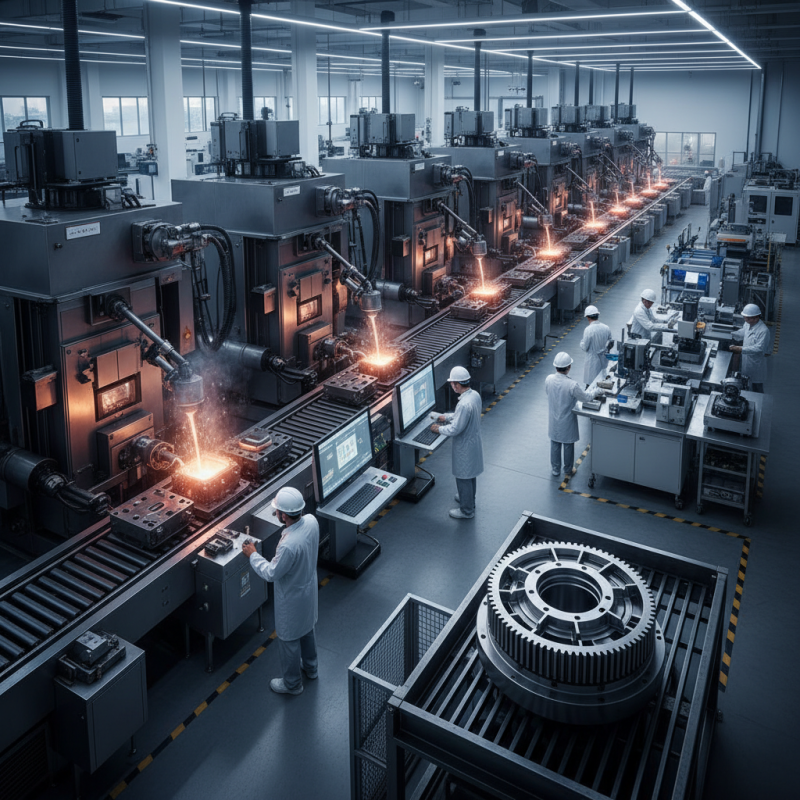
2026 How to Choose the Best OEM Precision Casting Suppliers?

Understanding OEM Precision Casting: Key Concepts and Terminology

OEM precision casting involves creating complex metal parts through a meticulous process. It’s vital to grasp key concepts. First, know the differences between casting types. These may include sand casting, investment casting, and die casting. Each type has unique benefits depending on your requirements. Understanding these allows for informed supplier choices.

A significant aspect is material selection. Different metals and alloys respond differently. For example, aluminum offers lightweight benefits, while steel provides strength. Evaluate your project needs carefully. You want to ensure that the material aligns with performance expectations.

Tips: Always request samples before committing to a supplier. This gives insight into their quality. Look for suppliers with a strong background. Experience matters in casting intricacies, as expertise can prevent costly mistakes. Consider suppliers' quality certifications. Reliability in precision casting is non-negotiable.

Identifying Your Project Requirements and Specifications for Casting

When selecting OEM precision casting suppliers, it's crucial to identify your project requirements. Begin by defining the specifications for your casting. Consider the material type, such as aluminum, steel, or iron. Each material has unique properties affecting durability and weight. Specify dimensional tolerances, which can impact the final product's fit and function.

Next, assess the complexity of your design. Intricate shapes may require advanced casting techniques. Evaluate whether you'll need secondary operations like machining or finishing. These factors influence both cost and lead time. Additionally, think about the volume of parts required. High-volume projects may benefit from suppliers with specialized production capabilities.

Quality assurance processes are vital. Investigate potential suppliers’ certifications and quality control measures. Ask about their testing methods to ensure reliability. A visit to their facility may reveal insights not evident on paper. Remember, communication matters. Establishing a strong relationship can clarify expectations and address concerns early. Adjusting specifications mid-project is often necessary, so flexibility is essential.

Evaluating Potential Suppliers: Key Qualities and Experience to Consider

When evaluating potential OEM precision casting suppliers, several key qualities come into play. Experience is vital. Suppliers with a long history in the industry often have refined processes. They understand the challenges and can adapt quickly. It's crucial to assess their portfolio. Look for diverse projects that showcase their capabilities.

Expertise in particular casting techniques matters too. Each project may require different methods. Ensure your supplier has the right technical knowledge. A supplier should also demonstrate clear quality control measures. Regular testing and documentation support reliability.

Tips for choosing wisely: check references from previous clients. Their feedback can reveal potential issues. Visit facilities, if possible. Seeing operations in person helps evaluate efficiency and cleanliness. Finally, don’t hesitate to ask questions about their experience. Open communication reflects transparency and builds trust.

Evaluating OEM Precision Casting Suppliers

This chart illustrates the evaluation criteria for selecting the best OEM precision casting suppliers. Each criterion is rated on a scale from 0 to 100, indicating its importance in the decision-making process.

Assessing Supplier Capabilities: Technology, Facilities, and Certifications

Choosing the best OEM precision casting suppliers is vital for successful manufacturing. Assessing supplier capabilities can make a significant difference in the quality of your products. Start by evaluating their technology. Are they using advanced tools that enhance precision in casting? Modern equipment allows for tighter tolerances and better finish.

Facilities play a crucial role too. Visit the supplier's production plants. Check for cleanliness and organization. A well-maintained facility often indicates a commitment to quality. Conversely, a disorganized space might reflect poor management. Don't overlook certifications either. Relevant industry certifications can be a marker of reliability and competence.

Sometimes, a supplier might seem great on paper but falters in execution. Consider seeking reviews from previous clients. Feedback can reveal inconsistencies and performance issues. This information gives valuable insight into the supplier's reliability. It’s essential to remain observant and critical when assessing potential suppliers.

2026 How to Choose the Best OEM Precision Casting Suppliers?

Supplier Capability Score (1-10) Certification Technology Level Facilities
Machining Accuracy 9 ISO 9001 Advanced Fully Automated
Production Capacity 8 ISO 14001 Moderate Semi-Automated
Material Quality 9 ISO 45001 High-tech Modern Facilities
Lead Time 7 IATF 16949 Standard Basic
Customer Support 8 CE Mark Moderate Fully Equipped

Building a Strong Partnership: Communication and Support Throughout Production

When choosing OEM precision casting suppliers, communication is vital. Clear channels of dialogue help both parties understand expectations and specifications. Regular updates can prevent misinterpretations. A simple weekly check-in can keep the project on track. However, not all suppliers are proactive in their communication.

Building a strong partnership requires ongoing support during production. Suppliers should be transparent about challenges they face. This honesty fosters trust. On the other hand, customers sometimes overlook the supplier's capacity or rush decisions. This can lead to errors and delays. It’s essential for both parties to discuss potential issues openly.

Investing time in building a relationship pays off. Frequent visits to the supplier’s facility can deepen understanding. Observing the production process firsthand reveals insights that emails alone cannot. However, not all suppliers might welcome such visits, which might raise concerns. Striking a balance between support and autonomy is key to a successful partnership.