How to Choose the Right Industrial Valves for Your Needs?
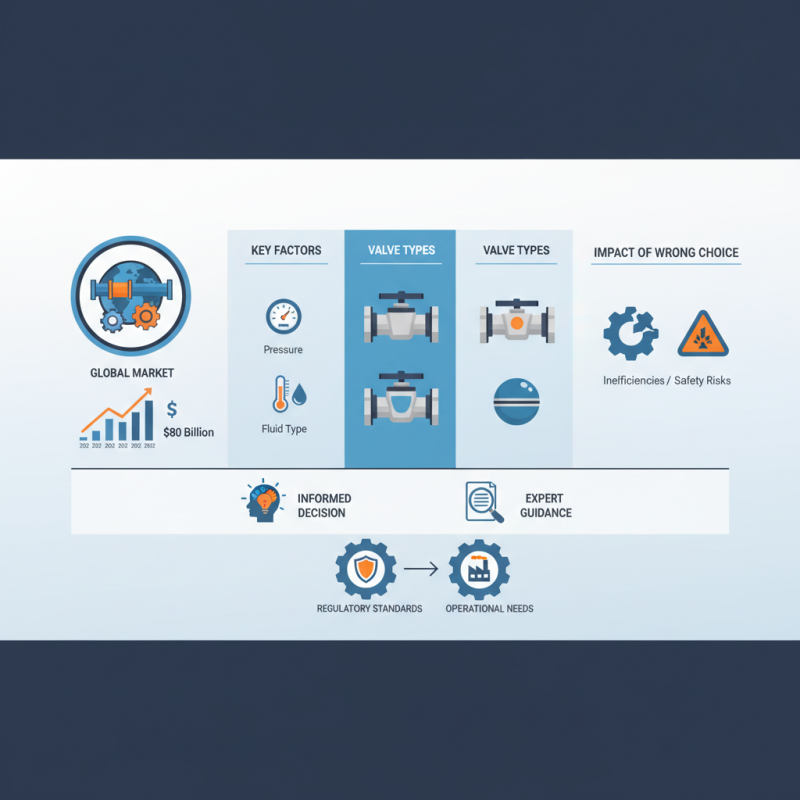
The selection of industrial valves is crucial in various sectors like oil and gas, water treatment, and manufacturing. The global industrial valve market was valued at approximately $80 billion in 2022 and is projected to grow steadily. This growth emphasizes the need for careful consideration when choosing the right valves. Selecting the wrong type can lead to inefficiencies or even catastrophic failures.
Understanding the specific requirements of your application is essential. Factors such as pressure, temperature, and fluid type play a significant role in valve specification. A well-informed choice in industrial valves can enhance operational efficiency and reduce maintenance costs. Yet, it’s not just about picking a brand. Misjudgments in material selection or valve design can lead to significant downtime, impacting productivity and safety.
Industrial valves come in many types, including gate, globe, and ball valves, each serving distinct functions. The right choice is not always clear-cut. There can be trade-offs between cost and quality, making it vital to rely on expert guidance. By using industry reports and expert recommendations, you can make informed decisions that align with both regulatory standards and operational needs.
Understanding the Different Types of Industrial Valves Available
When selecting industrial valves, understanding the types available is crucial. There are several categories, including gate, globe, ball, and butterfly valves. Each type serves specific functions in various industries such as oil and gas, water treatment, and chemical manufacturing. Data from the market analysis by Industry Research indicates that the global industrial valve market is projected to reach approximately $76.71 billion by 2025, showcasing the growing importance of these components.
Gate valves are primarily used for on/off control. They provide a tight seal when fully closed, but they are not suitable for throttling. In contrast, globe valves offer better throttling capabilities, making them ideal for flow regulation. The data shows that nearly 30% of the market demand stems from the need for flow control in processing plants.
Ball valves are prevalent due to their excellent sealing properties and durability. They can handle high pressure and temperature, making them a popular choice in various applications. However, some industries face challenges with their cost and maintenance. Information from a recent technical report highlights that proper selection and installation can significantly reduce operational costs. Finding the right valve hinges on understanding these characteristics, as well as considering factors like leakage rates, pressure drop, and long-term reliability.
Key Factors to Consider When Selecting Industrial Valves
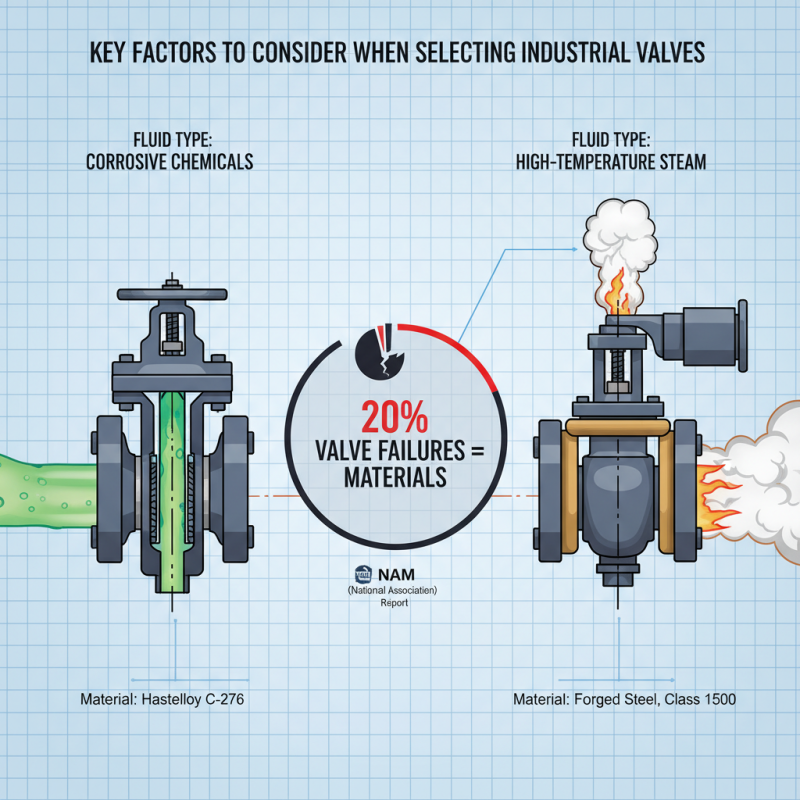
When selecting industrial valves, several key factors can influence your choice. The first aspect is fluid type. Different fluids, like corrosive chemicals or high-temperature steam, require specific materials. For instance, a report by the National Association of Manufacturers states that 20% of valve failures stem from unsuitable materials. This highlights the importance of selecting materials that are compatible with the fluids your system handles.
Pressure and temperature ratings are also critical. Valves need to withstand the operating conditions of your system. A study from the American Society of Mechanical Engineers indicates that incorrect pressure ratings can lead to 30% of all valve-related incidents in plants. Choosing the right valve means understanding its specifications and matching them to your system's requirements.
Another factor is the valve's functionality and automation. Manual valves may suffice for simple operations, but automated valves offer efficiency in complex systems. According to a recent market analysis, automated valves can improve operational efficiency by up to 25%. This improvement brings potential cost savings but requires careful consideration of system integration. Not all systems benefit equally from automation, making this a point for reflection.
Evaluating Valve Specifications: Pressure, Temperature, and Flow Rate
When selecting industrial valves, understanding key specifications is crucial. Pressure ratings determine how much stress a valve can handle. Choosing the right pressure rating prevents failures and ensures safety. Each application has specific pressure needs. Evaluating these needs can save time and costs in the long run.
Temperature tolerance is another vital consideration. Industrial environments vary widely in temperature. A valve that works well at room temperature may fail in extreme heat or cold. Checking the material of the valve ensures it withstands operational conditions.
Flow rate is also essential. This metric indicates how much fluid passes through the valve. A mismatch between valve size and system requirements leads to inefficiencies. Sometimes, we overlook these details in the rush of project timelines. Always double-checking specifications is necessary. It can prevent costly mistakes later.
Material Selection for Industrial Valves: Corrosion Resistance and Durability
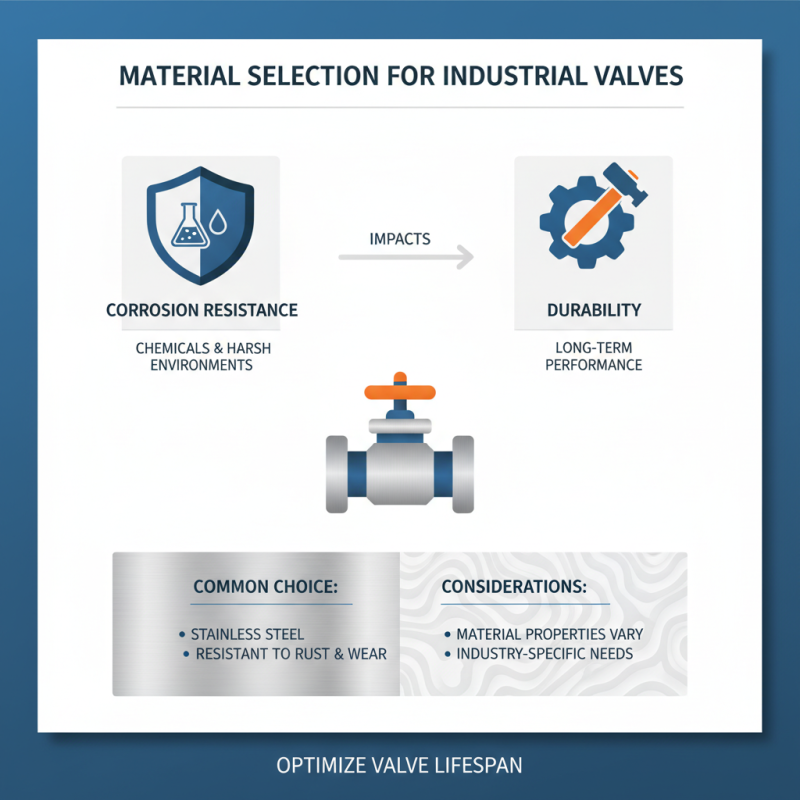
When selecting industrial valves, material choice is critical. Corrosion resistance and durability are key factors that impact the long-term performance of these valves. Many industries face harsh environments, where exposure to chemicals and extreme weather can accelerate degradation. Choosing materials like stainless steel can offer significant resistance to rust and wear. However, the properties of each material can vary widely.
It is essential to consider the specific application. For instance, valves used in oil and gas may require different materials compared to those in water treatment. In some cases, operators face challenges in balancing cost with quality. Often, lower-cost materials fail prematurely, leading to costly repairs. Understanding the operating conditions and chemical properties of the fluids involved will help ensure the right choice is made.
Furthermore, regular evaluations of valve performance can reveal insights into material durability. Unexpected failures can indicate a need for better material selection. Engaging with experts during the selection process can also provide valuable perspectives. The right material not only enhances performance but also promotes safety and reliability in industrial operations.
Common Applications and Industries Using Industrial Valves
Industrial valves play a crucial role across various applications and industries. These valves regulate flow, control pressure, and ensure safety in systems handling fluids, gases, and slurries. According to a report by MarketsandMarkets, the global industrial valve market is projected to grow from $85.2 billion in 2020 to $110.6 billion by 2025. This growth is driven by demand in sectors like oil and gas, water and wastewater, and power generation.
Oil and gas industries frequently utilize valves for upstream and downstream processes. For instance, safety valves and ball valves are essential to maintain system integrity. In the water and wastewater sector, gate valves and globe valves manage the flow of potable water and waste. The power generation industry relies on butterfly valves to control steam and water flow, ensuring efficiency and safety.
Tip: Always assess the specific application requirements before selecting a valve. Consider factors like pressure ratings, temperature limits, and corrosion resistance. Researching valve types can enhance your decision-making process significantly. In some cases, companies overlook the importance of maintenance. Regular inspection and maintenance can prevent costly failures and ensure long-lasting performance.
How to Choose the Right Industrial Valves for Your Needs?
| Valve Type |
Common Applications |
Industries |
Typical Materials |
| Gate Valve |
On/Off isolation |
Waterworks, Oil & Gas |
Cast Iron, Stainless Steel |
| Ball Valve |
Flow control, Shut-off |
Chemical Processing, Food Industry |
Brass, PVC |
| Butterfly Valve |
Regulation of flow |
Water Treatment, HVAC systems |
Aluminum, PVC |
| Check Valve |
Prevent backflow |
Pumping systems, Oil & Gas |
Stainless Steel, Plastic |
| Pressure Relief Valve |
Safety pressure release |
Power Generation, Petrochemical |
Bronze, Stainless Steel |