In the world of industrial piping, choosing the right valve is critical. The decision often comes down to ball valve and globe valve. According to a recent industry report by MarketsandMarkets, the global valve market is projected to reach $100 billion by 2025. Valves play a vital role in regulating flow and pressure.
Ball valves are known for their quick operation and low-pressure drop. They are ideal for on/off control. Globe valves, however, excel in throttling applications. They offer better flow regulation. But their design can lead to higher pressure losses. Market trends suggest industries are leaning towards ball valves for their efficiency.
Yet, companies still face challenges in selection. Factors such as fluid type, temperature, and pressure must be considered. Sometimes, the simplest choice becomes complex. The task of deciding between the ball valve and globe valve needs careful reflection and understanding.
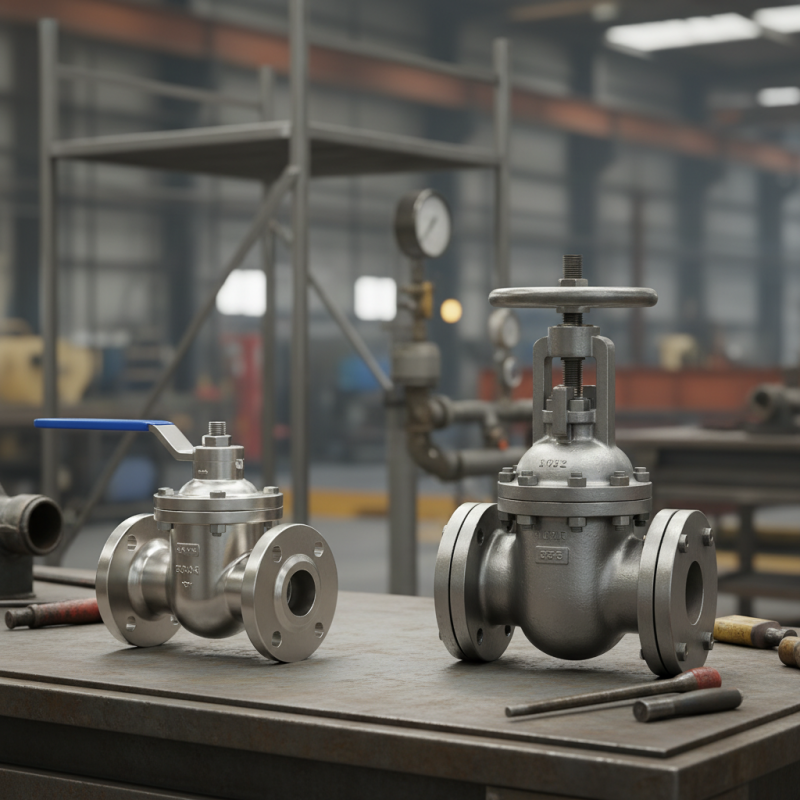
When choosing between ball valves and globe valves, understanding their design and functionality is crucial.
Ball valves are known for their quick operation. A simple quarter turn opens or closes the valve. This design results in minimal pressure drop. A report by the Valve Manufacturers Association noted that ball valves typically operate at 90% efficiency.
On the other hand, globe valves excel in flow control. Their design allows for fine adjustments. They perform well in throttling applications. However, they may have higher pressure drops compared to ball valves. This is a critical detail when considering the overall system efficiency.
Tip: For quick shut-off applications, prefer ball valves. They can save time and energy.
Tip: If precise flow control is needed, opt for globe valves. They provide better regulation over flow rates.
Consider the limitations. Ball valves can struggle with throttling, while globe valves require more space for installation. Balancing the specific needs of your application with these characteristics is key.
When it comes to flow control efficiency, ball valves and globe valves offer distinct advantages. Ball valves typically provide lower resistance to flow. They allow for quick opening and closing, which can be crucial in high-speed applications. Their design enables a tighter seal, minimizing leakage. In contrast, globe valves excel in regulating flow. Their design allows for precise control, making them ideal for throttling. However, they tend to create more pressure drop due to their shape.
Users often overlook the system's specific needs when choosing between these valves. It’s easy to assume one type is superior. Yet, the context matters greatly. For example, using a ball valve in a low-flow situation might lead to inefficient energy use. Conversely, a globe valve may be wasted in a high-flow scenario, where quick shut-off is needed.
Evaluating your application is crucial. Consider the flow characteristics and how often you need to adjust it. Is it for a constant flow or variable demands? Reflecting on these questions can lead to a better choice. Sometimes, the simplest decisions have the largest impacts. A mismatch can result in operational inefficiencies. So, take the time to analyze your needs completely before making a selection.
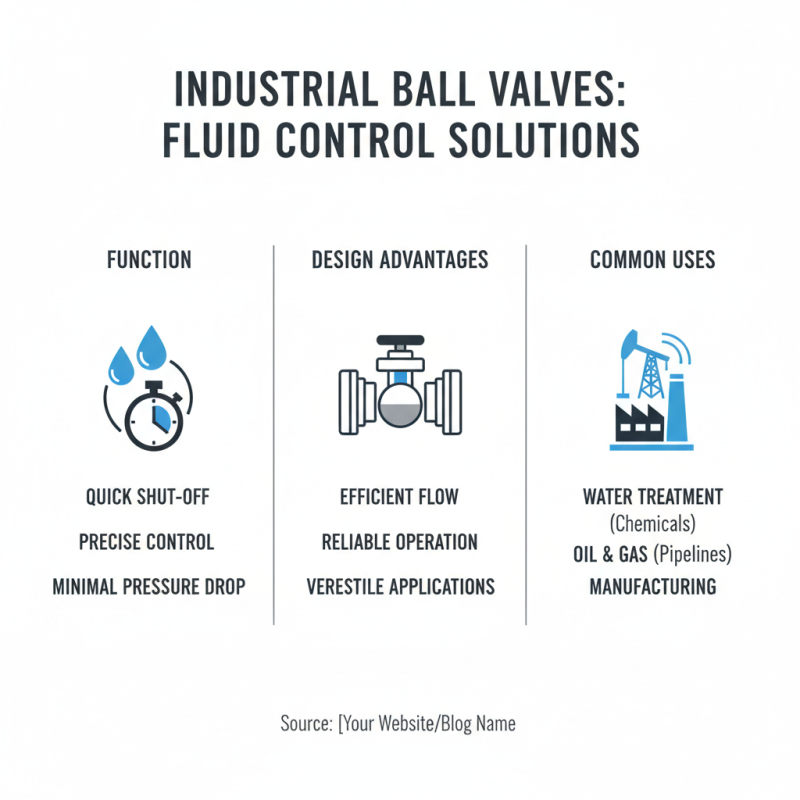
In industrial settings, ball valves serve a crucial role. They provide quick shut-off and precise control of fluid flow. Their design allows for minimal pressure drop, making them efficient for various applications. For example, in water treatment facilities, they manage the flow of chemicals effectively. Ball valves are also commonly found in oil and gas industries, where reliability is essential.
However, some might underestimate their limitations. Ball valves aren't ideal for throttling applications. When used for such purposes, they can wear out quickly. This can lead to maintenance issues and increased operational costs. Moreover, if the medium contains debris, it can cause damage to the valve seats. This results in leaks and operational downtime, which can be costly.
Choosing ball valves should involve consideration of the specific application. They excel in full open or close situations but may not function well in nuanced control needs. Users must weigh these factors carefully. The balance between efficiency and potential drawbacks is vital. Each application may demand a different solution based on fluid characteristics and operational requirements.
Globe valves are widely recognized for their unique ability to control flow rates through pipelines. Their design allows for precise throttling and regulation, making them suitable for various applications. The internal structure, with a movable disc, helps create a significant pressure drop when adjusting the flow. This feature enables operators to fine-tune the flow as needed, perfect for throttling operations.
However, globe valves are not without their downsides. Their flow resistance can be higher than other valve types, potentially causing energy loss. In scenarios where quick on-off control is necessary, globe valves may lag behind simpler options. Sometimes, this makes it challenging to maintain efficiency in a system. Despite these drawbacks, their reliability in maintaining steady flow still fuels their popularity in many industries.
When selecting valves for a project, consider the specific needs of the application. Not every situation calls for a globe valve. Understanding both the advantages and limitations of each valve type will lead to more informed decisions. Striking a balance between performance and efficiency is key when choosing between globe and ball valves. The right choice can make all the difference in a project’s success.
| Feature | Ball Valve | Globe Valve |
|---|---|---|
| Type of Flow Control | On/Off | Throttling and Regulation |
| Pressure Drop | Low | Higher |
| Speed of Operation | Fast | Moderate |
| Maintenance | Low | Moderate |
| Common Applications | Water, Oil, Gas | Steam, Fuel, Liquids |
| Size Range | Small to Large | Small to Medium |
| Temperature Resistance | Wide Range | Moderate Range |
When selecting between ball valves and globe valves, the choice of materials is crucial. Ball valves typically utilize brass, stainless steel, or PVC, depending on the application. Globe valves, on the other hand, commonly feature bronze, cast iron, or stainless steel. A report from the Valve Manufacturers Association indicates that stainless steel is preferred for high-pressure applications due to its strength and corrosion resistance. This choice can significantly impact performance and lifespan.
Maintenance considerations also differ. Globe valves require more frequent checks because of their complex design. They often face issues with erosion due to the fluid's velocity and may need more regular valve seat replacements. In contrast, ball valves have fewer moving parts, leading to a generally lower maintenance requirement. However, when not used frequently, the seats can become stuck. A study from the American Society of Mechanical Engineers (ASME) reveals that up to 30% of ball valve failures are due to lack of use.
Ultimately, the material selection and maintenance strategies must align with operational demands. Understanding these facets helps mitigate potential risks and inefficiencies. It’s essential to evaluate the specific context and requirements of your system to make an informed choice.