Why Choose the Right Current Sensor for Your Applications?
In today's rapidly evolving technology landscape, selecting the appropriate Current Sensor for specific applications is essential. Current sensors play a crucial role in power monitoring, energy management, and automation. According to a recent market research report, the global current sensor market is expected to reach $2.5 billion by 2025, with a compound annual growth rate (CAGR) of over 10%. This growth highlights the increasing demand for precise current measurement in various industries.
Choosing the right Current Sensor can significantly impact system performance. Factors like accuracy, response time, and thermal stability must be considered. For instance, Hall effect sensors are known for their reliability in high-current applications, while shunt-based sensors provide excellent precision at lower currents. However, engineers often face challenges in balancing these parameters. Missteps can lead to inefficiencies, increased costs, and even system failures.
Emphasizing the significance of Current Sensors, it is evident that informed decisions drive operational success. Inadequate knowledge about sensor specifications may have lasting repercussions. The right sensor aligns with project requirements and ensures optimal performance, ultimately enhancing overall system reliability and efficiency. Understanding these aspects is vital for anyone involved in designing or implementing electrical systems.
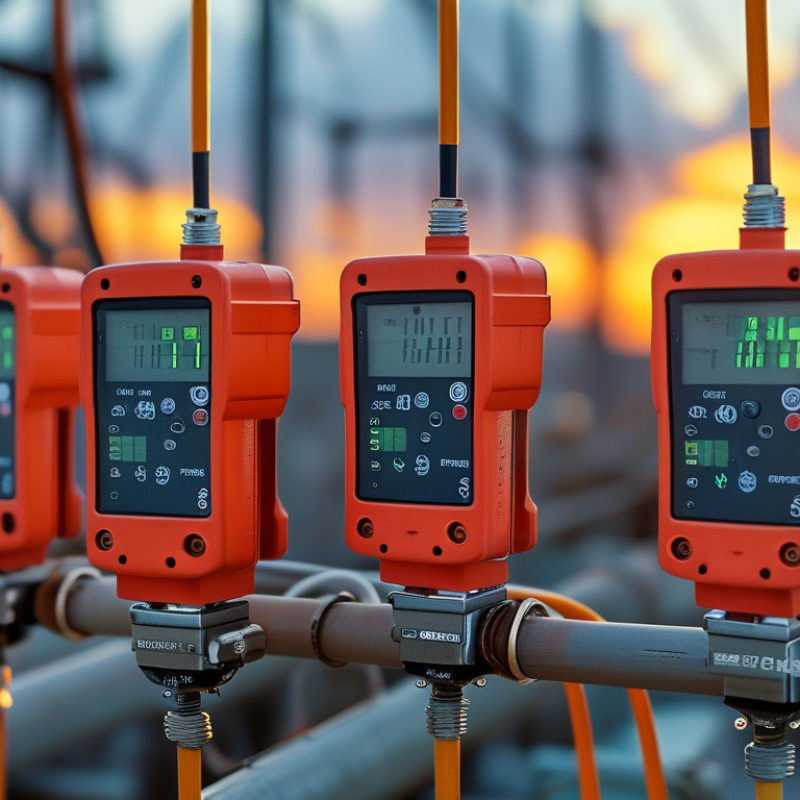
Advantages of Choosing the Right Current Sensor for Industrial Applications
The right current sensor can significantly enhance the efficiency of industrial applications. Selecting an appropriate sensor improves accuracy in real-time monitoring. According to a recent report, accurate current measurements can reduce operational costs by up to 15%. This precision helps in energy management and preventive maintenance.
Choosing the optimal current sensor ensures reliability in various environments. For example, a study found that sensors designed for harsh conditions maintained their accuracy 30% longer than standard options. This longevity translates to fewer replacements and less downtime. In a world where downtime can cost thousands, this choice becomes crucial.
Tips: Always assess the operating conditions before selecting a sensor. Consider factors like temperature, humidity, and electrical noise. Test the sensor in a predictable environment first. Monitor its behavior under various loads to ensure the data collected aligns with expectations. This practice can help avoid unexpected failures later.
Current Sensor Performance Comparison
This chart compares the accuracy and response time of various current sensors used in industrial applications. Selecting the right sensor can significantly impact the efficiency and reliability of your operations.
Key Factors Influencing Current Sensor Selection: Accuracy, Range, and Sensitivity
Choosing the right current sensor involves several crucial factors. Accuracy is one of the primary considerations. According to industry reports, sensors with an accuracy level of 1% or lower are becoming the standard in high-end applications. This precision minimizes errors in measurement, which is essential in fields like renewable energy and industrial automation.
Range is another critical aspect. Different applications require varying ranges of current measurement. Some sensors can measure microamperes, while others handle thousands of amps. The ability to select a sensor that matches the specific current range can enhance system performance. A mismatch can lead to inaccurate readings or sensor failure.
Sensitivity, on the other hand, dictates how well a sensor can detect small changes in current. High sensitivity is vital in applications like electric vehicle charging or solar panel monitoring, where minor fluctuations can significantly impact efficiency. According to recent studies, sensors with high sensitivity can increase efficiency by up to 20%. However, high sensitivity often comes with trade-offs, like increased noise or temperature drift. Understanding these nuances is essential for making informed choices in sensor selection.
Why Choose the Right Current Sensor for Your Applications? - Key Factors Influencing Current Sensor Selection: Accuracy, Range, and Sensitivity
| Sensor Type | Accuracy (%) | Current Range (A) | Sensitivity (mV/A) | Application Suitability |
| Hall Effect Sensor | ±1 | -50 to 100 | 20 | General Purpose |
| Shunt Resistor Sensor | ±0.5 | 0 to 1000 | 100 | High Precision |
| Rogowski Coil | ±2 | 0 to 3000 | 10 | AC Measurements |
| CT (Current Transformer) | ±2.5 | 0 to 5000 | 25 | Power Measurement |
| Capacitive Sensor | ±3 | 0 to 200 | 50 | Low Power Applications |
Comparison of Hall Effect vs. Shunt Resistor Current Sensors in Performance
When selecting current sensors for various applications, the choice between Hall Effect sensors and shunt resistors can significantly impact performance. Hall Effect sensors offer non-intrusive measurements. They leverage magnetic fields to detect current flow without needing to break the circuit. This feature makes them ideal for applications requiring isolation and high accuracy. Their ability to measure DC and AC currents adds to their versatility. However, Hall Effect sensors can sometimes face challenges, such as temperature sensitivity, which may affect their reliability in demanding environments.
On the other hand, shunt resistor sensors provide a straightforward and cost-effective solution. They operate by measuring the voltage drop across a known resistor. This method offers excellent accuracy and is less affected by external factors. However, they require careful consideration of the shunt resistor's value to avoid power losses. The thermal management of shunt resistors becomes crucial, especially in high-current applications. While more durable, shunt resistors might need more maintenance.
Understanding these two technologies is essential for engineers. Each has its unique benefits and drawbacks. The choice ultimately rests on the application's specific needs, including accuracy, response time, and environmental conditions. Assessing these factors will lead to more informed decisions in sensor selection.
Industry Standards and Certifications Affecting Current Sensor Reliability
Choosing the correct current sensor is crucial for ensuring system reliability and performance. Industry standards and certifications significantly influence this decision. Various organizations, such as the International Electrotechnical Commission (IEC), set benchmarks that guide sensor manufacturers. Products that meet these standards often demonstrate enhanced accuracy and durability.
According to a 2022 report by Research and Markets, about 40% of failures in electrical systems can be traced back to poor sensor quality. Sensors meeting the IEC 61000 standard tend to provide better electromagnetic interference resistance. This resistance translates to lower error rates in data readings under noisy conditions.
Moreover, certifications like UL or CSA can give additional assurance of safety and performance. However, relying solely on these labels may lead to oversights in real-world applications. Not every certified sensor is equal. Variations in design and materials can affect performance. Choosing a sensor with a proven track record in similar applications can mitigate risk.
Emerging Trends in Current Sensor Technology: IoT and Smart Grid Integration
The integration of current sensors in IoT and smart grid technologies marks a significant trend in the electrical industry. According to a recent report by MarketsandMarkets, the current sensor market is projected to grow from $2.5 billion in 2022 to $4.2 billion by 2027, reflecting a compound annual growth rate (CAGR) of 11.5%. This growth is driven by the rise of smart grids that demand enhanced monitoring and control. Current sensors play a vital role in real-time data acquisition, enabling better energy management and reducing operational expenses.
IoT applications have further pushed the boundaries of current sensor capabilities. These sensors must now accommodate diverse communication protocols and energy requirements. A study by Grand View Research notes that the IoT-enabled current sensor segment is expected to witness a CAGR of over 16% by 2025. Integrating these sensors into smart devices enhances their efficiency, but the complexity of data interpretation presents challenges. Users must carefully select sensors that align with their needs to ensure optimal performance.
Despite these advancements, there are pitfalls to consider. Not all current sensors are designed to integrate seamlessly with IoT systems. Variability in standards can lead to compatibility issues, causing data inaccuracies or loss. As the industry evolves, stakeholders must remain vigilant to address these challenges while harnessing the benefits of IoT.
