Top 10 Best Stainless Steel Check Valves for Reliable Performance?
In industrial applications, the reliability of fluid control is paramount. Stainless steel check valves play a crucial role in this aspect. According to a recent market analysis, the global check valve market is expected to reach $6.5 billion by 2027. This growth highlights the increasing demand for dependable components like the stainless steel check valve in various sectors, including oil and gas, food processing, and water treatment.
The durability and corrosion resistance of stainless steel make these valves ideal for harsh environments. However, not all stainless steel check valves are created equal. Many factors, such as pressure rating and flow characteristics, must be considered. Reports indicate that up to 30% of valve failures occur due to improper selection and installation. Thus, understanding the options available can help prevent costly downtimes.
Selecting the right model can be challenging. There are many brands and designs in the market. This article aims to highlight the top 10 best stainless steel check valves, helping professionals make informed decisions for reliable performance in their operations. The following sections will delve into specifications, applications, and key factors to help navigate this essential choice.
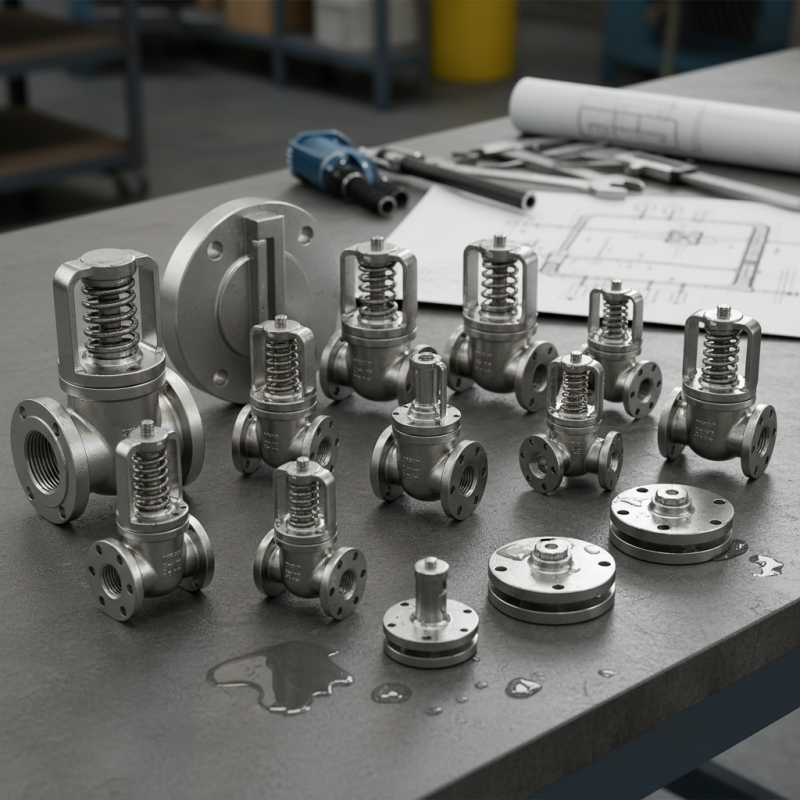
Understanding Stainless Steel Check Valves and Their Importance
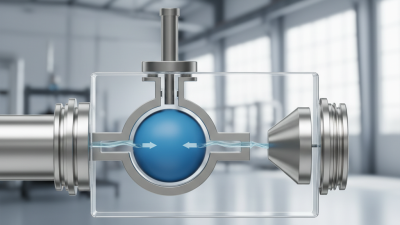
Stainless steel check valves are crucial in various industries. They ensure fluid flows in one direction, preventing backflow. This mechanism is vital for systems such as water treatment and chemical processing. According to recent data from the Flow Control Industry report, check valves account for about 30% of all valve sales globally. Their importance can't be overstated.
The durability of stainless steel adds to their effectiveness. They resist corrosion, which is a significant concern in harsh environments. For example, a study showed that stainless steel valves last nearly twice as long as their plastic counterparts in corrosive conditions. This longevity translates to less frequent replacements and reduced operational costs.
However, not all check valves perform equally. Some may fail under certain conditions. A survey indicated that 15% of users experienced issues with valve malfunctions. This emphasizes the need for consistent quality control in manufacturing. Understanding the specific needs of each application is critical. Selecting the right check valve can significantly impact system efficiency.
Top 10 Best Stainless Steel Check Valves for Reliable Performance
| Model |
Size |
Flow Rate (GPM) |
Pressure Rating (PSI) |
Material Grade |
Connection Type |
| Model A |
1" |
25 |
150 |
304 |
Threaded |
| Model B |
1.5" |
40 |
200 |
316 |
Flanged |
| Model C |
2" |
60 |
300 |
304 |
Welded |
| Model D |
3/4" |
15 |
125 |
316 |
Threaded |
| Model E |
1" |
30 |
150 |
Duplex |
Flanged |
| Model F |
2.5" |
80 |
300 |
304 |
Welded |
| Model G |
1.25" |
35 |
200 |
316 |
Threaded |
| Model H |
2" |
65 |
250 |
Duplex |
Flanged |
| Model I |
3/4" |
20 |
125 |
304 |
Threaded |
| Model J |
1.5" |
45 |
200 |
316 |
Flanged |
Key Features to Look for in High-Quality Check Valves
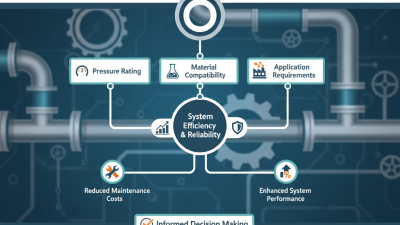
When selecting high-quality stainless steel check valves, certain key features are essential for reliable performance. Material composition is crucial. Look for valves made from durable stainless steel grades, like 316 or 304, which resist corrosion. According to industry reports, valves made from these materials have a much longer lifespan compared to lower-grade alternatives.
Another important factor is the valve design. A well-designed check valve minimizes flow resistance and enhances efficiency. A streamlined body shape can significantly reduce turbulence, improving overall system performance by up to 15%. It's worth noting that not all designs achieve this; some may require constant maintenance, negating their advantages.
**Tip:** Always consider the valve's pressure rating before installation. Matching the valve's capacity to your system’s requirements ensures optimal function. Take time to research and compare models; not every high-cost option guarantees superior quality.
Finally, pay attention to the size and connection types. A mismatch can lead to leaks or operational issues. Many users overlook this, resulting in frustrating problems. Choose valves that fit the specifications of your installation for trouble-free operation.
Top 10 Best Stainless Steel Check Valves Reviewed
When considering stainless steel check valves, reliability is paramount. These valves prevent backflow, ensuring smooth operation in various applications. According to industry reports, nearly 30% of valve failures stem from poor material quality. This highlights the significance of selecting durable options.
Stainless steel offers corrosion resistance and high strength. Many types, such as swing and lift check valves, exist. Each type serves unique purposes, depending on the system's requirements. Data shows that swing check valves generally perform well in larger pipelines, while liftcheck valves are more suited for smaller pipes. Keeping these distinctions in mind can improve overall system performance.
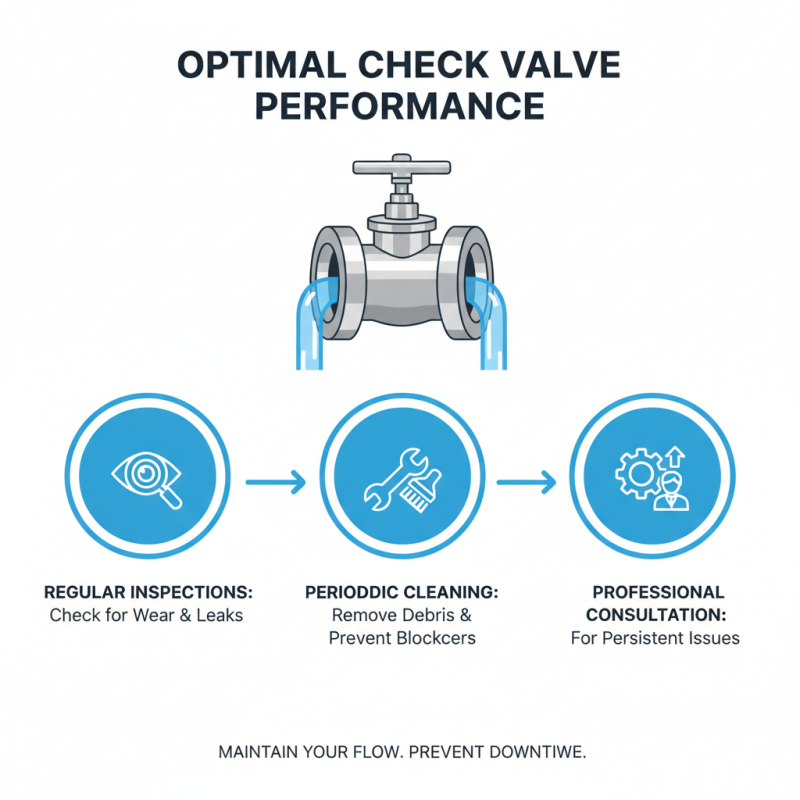
Installation must be precise to avoid issues. Misalignment can lead to leaks or valve failure. Regular maintenance is equally important. Research indicates that valves not routinely inspected can face 20% more operational issues over time. This reality should encourage users to prioritize regular checks for optimal functionality.
Top 10 Best Stainless Steel Check Valves for Reliable Performance
This chart displays the performance ratings of the top 10 stainless steel check valves. Each valve is rated on a scale from 1 to 10 based on reliability and performance criteria.
Comparative Analysis of Performance and Durability
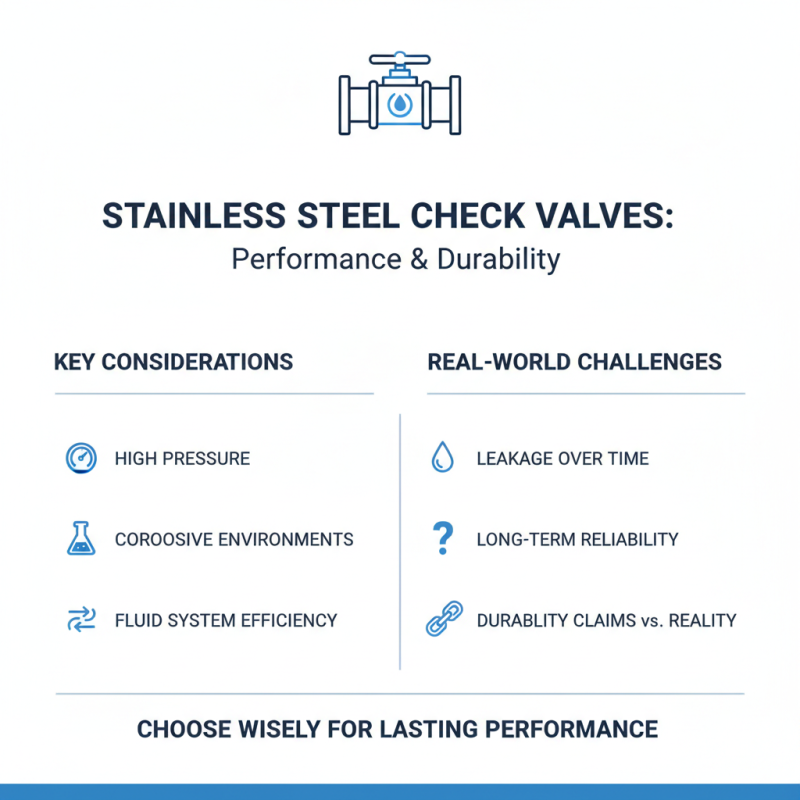
When evaluating stainless steel check valves, performance and durability are key. The right choice can influence efficiency in fluid systems. These valves must withstand high pressure and corrosive environments. Many designs claim to offer incredible durability. However, real-world performance can vary. Users often report issues like leakage over time. This raises questions about the long-term reliability of these products.
A comparative analysis shows that materials play a crucial role. Stainless steel types affect corrosion resistance significantly. Some valves handle extreme temperatures better than others. Installation also affects how well a valve performs. Options may look similar, but operational nuances make a difference. Over-tightening can lead to malfunction. Insufficient maintenance can cause leaks and premature wear. Users must consider these factors carefully.
In many cases, ensuring durability requires thorough testing. Understanding the specifications can be tricky. Many products appear reliable on paper but fail in practice. Customers should prioritize real-world performance reviews. Gathering feedback from various sources is essential. This process helps in making informed decisions. A valve that seems perfect might not meet expectations in real life. Ultimately, customers should remain vigilant about their choices.