Blogs | Steelstrong Valves

2026 Best Floating Ball Valve Options for Efficient Fluid Control?

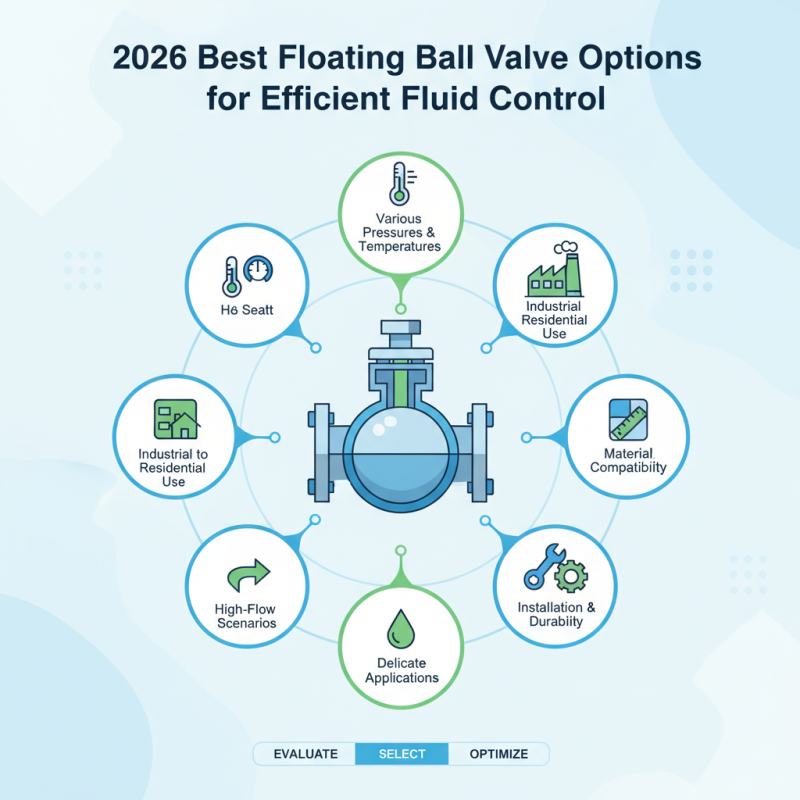
In the world of fluid control, floating ball valves have emerged as a critical solution. Their simple design allows for reliable operation under various pressures and temperatures. These valves offer versatility, making them suitable for numerous applications, from industrial settings to residential use.

Choosing the right floating ball valve can significantly impact efficiency. Various options are available on the market, each with unique features and benefits. It's important to consider factors like material, size, and compatibility with existing systems. Some valves excel in high-flow scenarios, while others are designed for more delicate applications.

However, not every floating ball valve will meet your needs. Some may falter in extreme conditions or during improper installation. Understanding these nuances can enhance your decision-making process. Selecting the best option requires careful evaluation and an understanding of your specific requirements. Consider this guide as a resource in navigating the diverse floating ball valve landscape for optimized fluid control solutions.
2026 Best Floating Ball Valve Options for Efficient Fluid Control?

Overview of Floating Ball Valves: Function and Applications
2026 Best Floating Ball Valve Options for Efficient Fluid Control?

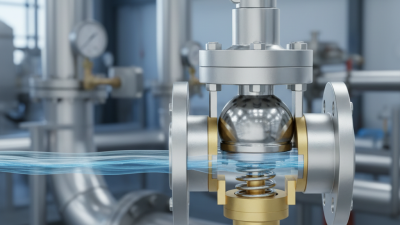
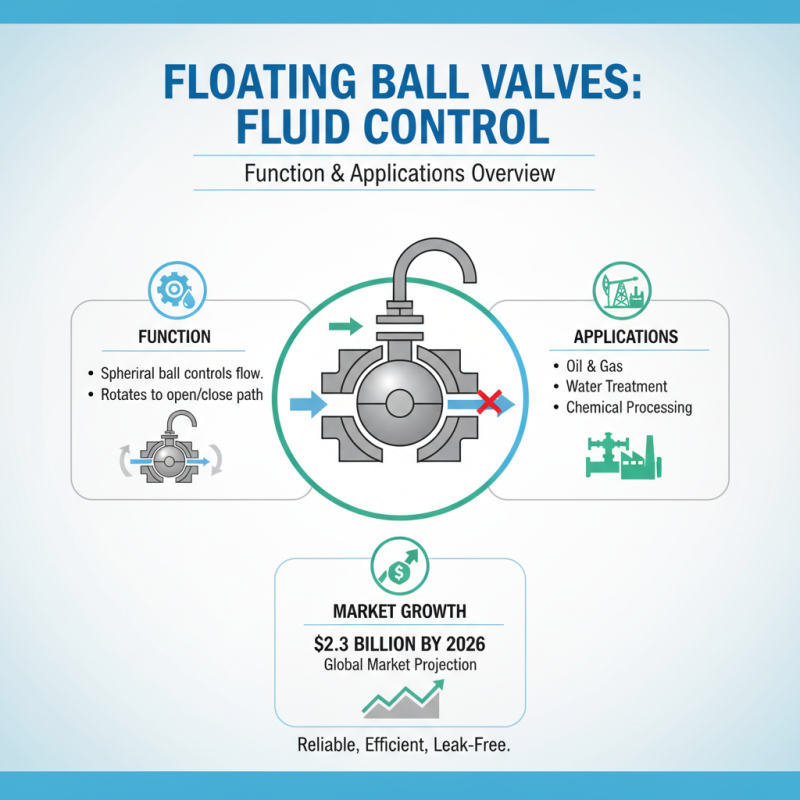
Floating ball valves have emerged as a pivotal component in the management of fluid systems. These valves operate based on a simple yet effective mechanism, utilizing a spherical ball to control fluid flow. When the ball is rotated, the flow path is either opened or closed. This functionality provides a reliable solution for preventing leaks and ensuring efficient operation in various industries. According to a recent industry report, the global floating ball valve market is projected to reach $2.3 billion by 2026, reflecting a growing demand in sectors such as oil and gas, water treatment, and chemical processing.

In practical applications, floating ball valves are widely used in pipelines that transport liquids or gases. Their design allows for easy maintenance and installation, contributing to improved system reliability. However, there are notable challenges in extreme temperatures or corrosive environments. Industry professionals emphasize the importance of selecting materials that enhance durability. For instance, introducing advanced polymers and coatings can significantly enhance corrosion resistance, mitigating the risk of failure.

Despite the evident advantages, some floating ball valves may not perform well under high pressure. Users report instances of leakage if the valve’s specifications do not align with the application’s requirements. Therefore, careful consideration is essential when selecting a valve for specific tasks. Ongoing research focuses on addressing these limitations, striving to enhance the efficiency and longevity of floating ball valves in dynamic industrial settings.
Key Features to Consider When Choosing a Floating Ball Valve

When selecting a floating ball valve, several key features can significantly impact efficiency and reliability. The flow capacity is crucial; some studies suggest that optimal designs can increase flow rates by up to 20%. This advantage makes it essential to match your application needs with the valve's specifications. Ensure that the valve's size and pressure rating can handle your system's requirements without compromising performance.

Another critical aspect is the material of construction. Different fluids necessitate specific materials to prevent corrosion and ensure longevity. According to industry reports, valves made from high-grade stainless steel can withstand aggressive environments, reducing maintenance costs by nearly 30%. The design of the valve, particularly its sealing mechanism, plays a vital role in preventing leaks. A valve with a robust sealing system can minimize fluid loss and enhance system efficiency, which is often an overlooked area.

Lastly, consider the valve's ease of maintenance and installation. A complex design can result in longer downtime during servicing. Regular maintenance checks can identify wear and tear, yet many facilities overlook this aspect. Streamlined designs may help reduce service time by up to 25%, but they require a careful balance to ensure that cost-effectiveness does not compromise performance. The right floating ball valve can enhance operational efficiency significantly when these features are thoughtfully evaluated.

Popular Materials Used in Floating Ball Valve Construction

Floating ball valves are essential in fluid control systems. Their effectiveness largely depends on the materials used in their construction. Common materials include brass, stainless steel, and plastic. Each material has unique properties that influence performance and longevity.

Stainless steel is renowned for its strength and corrosion resistance. This makes it suitable for harsh environments. According to industry reports, stainless steel valves have a lifespan exceeding 20 years. However, they can be significantly heavier than alternatives, which may require additional support during installation. Brass, while lighter and more malleable, is prone to corrosion in certain fluids, necessitating careful application.

Plastic floating ball valves are gaining popularity. They are lightweight and inherently resistant to corrosion. These valves often weigh 50% less than their metal counterparts. However, they may not withstand high pressure as effectively. Using the wrong type of plastic can lead to failure in challenging conditions. Awareness of material suitability is critical for ensuring optimal performance in specific applications.

2026 Best Floating Ball Valve Options for Efficient Fluid Control

Material Size Range (inches) Pressure Rating (PSI) Temperature Range (°F) Applications
Stainless Steel 1 - 12 150 - 300 -40 to 300 Water, Oil & Gas
PVC 1 - 8 80 - 150 32 to 140 Chemical Handling
Brass 1/2 - 4 200 - 400 -20 to 248 Heating Systems
Carbon Steel 2 - 24 150 - 600 -20 to 450 Industrial Applications
Cast Iron 3 - 30 150 - 300 -40 to 250 Waterworks

Top Brands and Models for 2026 Floating Ball Valve Selection

When selecting floating ball valves for efficient fluid control in 2026, it's crucial to consider top-performing brands and models. The demand for these valves is projected to grow at a compound annual growth rate of 5.2% through 2026, according to recent industry reports. Leading manufacturers are enhancing their products with advanced materials, such as corrosion-resistant alloys, to improve longevity. Effective design innovations contribute to better sealing and enhanced flow rates.

Some industry experts highlight that not all floating ball valves offer the same reliability. Users often report challenges with certain models that experience leakage over time. Regular maintenance is essential but sometimes overlooked. Additionally, professionals recommend testing a valve under actual operating conditions before full-scale application. This step can prevent costly downtime or system failures down the line.

Performance can vary significantly across models. For instance, ergonomic handles and automation features are not standard in every range. Customization options may also lead to increased costs. Therefore, weighing the benefits against the potential risks is critical. Ultimately, a thorough due diligence process can yield the best floating ball valve options for unique fluid control needs.

2026 Best Floating Ball Valve Options for Efficient Fluid Control

This chart represents the flow rates of several top floating ball valve models in 2026. The data indicates the gallons per minute (GPM) each model can handle, providing insights into their efficiency for fluid control.

Maintenance Tips for Ensuring Longevity of Floating Ball Valves

2026 Best Floating Ball Valve Options for Efficient Fluid Control?

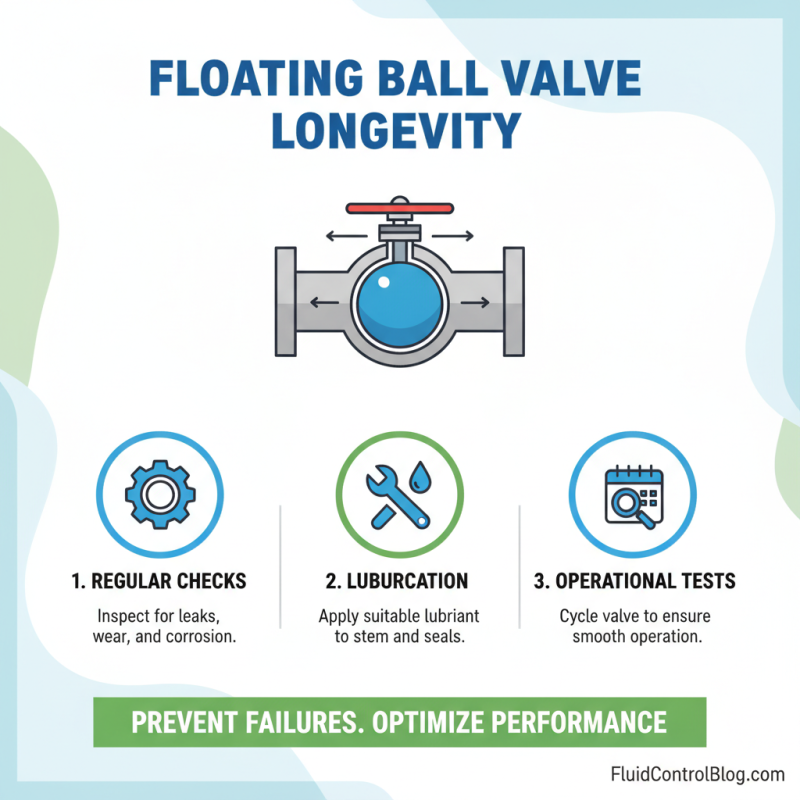
Floating ball valves are vital in fluid control systems. Proper maintenance is crucial for their longevity. Regular checks can prevent unexpected failures.

One key tip is to clean the valves regularly. Debris can accumulate and affect performance. Inspecting seals and gaskets is essential. Look for signs of wear or damage. A small crack can lead to leaks. If found, consider replacing them quickly.

Lubrication is another important aspect. Use the right lubricant to reduce friction. Over-lubrication can attract dirt, so balance is key. Keeping the valve's surface smooth ensures proper function. An uneven surface may cause the ball to stick, disrupting flow control.

Monitoring operating conditions is critical. Check for pressure fluctuations that could strain the valve. Extreme temperatures can also impact performance. Regularly review the specifications to match the valve's capabilities. This vigilance is vital for maintaining efficiency in fluid systems.