What Are the Benefits of AEROGEL Insulation Panels?
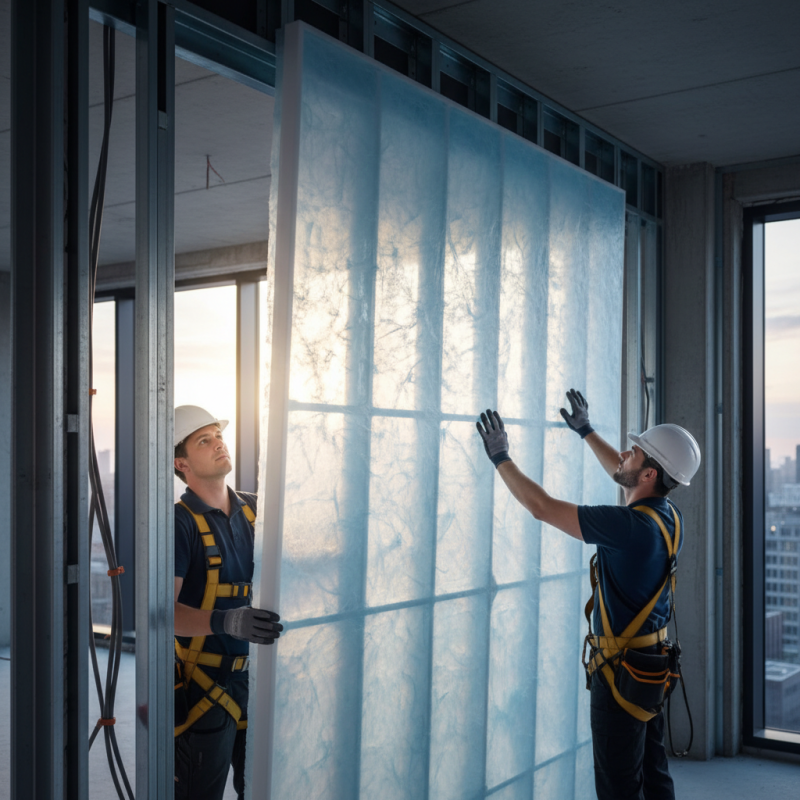
AEROGEL Insulation Panels have gained attention in the construction industry due to their exceptional properties. These panels offer lightweight, highly efficient insulation solutions for various applications. They are known for their ability to minimize heat transfer while maintaining structural integrity.
Using AEROGEL Insulation Panels can lead to significant energy savings. Their low thermal conductivity makes them highly effective, even in thin layers. This can be crucial in environments where space is limited. Many professionals report that these panels can outperform traditional insulation materials in many scenarios.
However, there are challenges to consider. The cost of AEROGEL Insulation Panels may be higher than regular options. Also, installing these panels requires skilled labor and proper handling. It's essential to weigh the benefits against these factors when choosing insulation solutions for your projects.
Overview of AEROGEL and Its Properties
Aerogel has become a buzzword in the field of insulation materials. Its unique properties make it stand out. Composed primarily of air, aerogel is incredibly lightweight yet highly effective at retaining heat. This combination allows for exceptional thermal resistance, with studies showing it can outperform traditional insulation materials.
One of the most remarkable features of aerogel is its low thermal conductivity. Ranging from 0.013 to 0.017 W/m·K, it is often labeled as the world’s lightest solid. This means thinner panels can provide the same, if not better, insulation than thicker alternatives. However, there are challenges. Aerogel is brittle and can be difficult to handle during installation.
The environmental aspect of aerogel insulation deserves mention. It can aid energy efficiency by reducing heating and cooling needs. However, producing aerogel is resource-intensive. This contradiction raises questions about the sustainability of its widespread use. The promise of aerogel is immense, but its practical application warrants careful consideration.
Advantages of AEROGEL Insulation Panels in Energy Efficiency
AEROGEL insulation panels are impressively light and efficient. They can reduce energy loss in buildings by up to 90%. This efficiency makes them highly appealing for energy-conscious projects. According to a report from the U.S. Department of Energy, using AEROGEL can significantly lower heating and cooling costs.
These panels have a thermal conductivity of about 0.013 W/m·K, which is far superior to traditional insulation materials. This means superior performance in maintaining a stable indoor temperature. Notably, while their initial cost may be high, studies indicate that long-term savings often offset this investment. Over time, energy savings can lead to a high return on investment, sometimes within a few years.
Nevertheless, AEROGEL insulation panels aren’t without challenges. Installation can be complex and requires trained professionals. Additionally, while they resist moisture, improper sealing can lead to potential issues. Awareness of these factors is critical. While they offer remarkable benefits, it’s important to weigh these against installation and maintenance considerations.
Comparative Analysis: AEROGEL vs. Traditional Insulation Materials
Aerogel insulation panels offer several advantages when compared to traditional insulation materials. One key benefit is their incredible thermal resistance. Aerogel has a lower thermal conductivity, which means it can effectively reduce heat loss and improve energy efficiency. This makes it an ideal choice for buildings in extreme weather conditions.
In contrast, traditional materials like fiberglass or foam boards often require more space to achieve the same insulation value. This can be a disadvantage in tight construction spaces. Aerogel’s lightweight nature also simplifies installation, as it is easier to handle and place in various settings.
**Tips:** When using aerogel, consider the specific climate conditions of your project. Humidity can impact performance, so evaluate installation areas carefully. Also, remember that while aerogel has superior insulation properties, it may not be the most cost-effective option for every project. It's worth weighing the long-term savings against the initial investment.
It's essential to reflect on the limitations too. Aerogel may require specialized installation techniques. If this is not addressed, it could undermine the benefits you aim to achieve. Understanding both sides of the material will guide better decision-making for your insulation needs.
Benefits of AEROGEL Insulation Panels vs. Traditional Insulation Materials
Applications of AEROGEL Insulation in Various Industries
Aerogel insulation panels have gained traction across various industries due to their unique properties. These panels are known for being lightweight yet incredibly effective at reducing heat transfer. In construction, they are used to enhance energy efficiency in buildings. Architects appreciate their ability to maintain structural integrity while offering superior insulation. Imagine a historical building using this material. It retains its charm while achieving modern energy standards.
In the aerospace industry, aerogel panels play a crucial role. They insulate spacecraft and aircraft, protecting sensitive equipment from extreme temperatures. These panels ensure reliable performance in harsh environments. However, implementing them is complex. The cost and production method can be significant hurdles. Exploring alternative materials remains a point of discussion among engineers and manufacturers.
In the oil and gas sector, aerogel insulation is utilized in pipelines. This protects against temperature fluctuations that could impact operational efficiency. Despite their advantages, the variability in application methods poses challenges. Some companies may find the integration process difficult. This prompts a need for further training and research to optimize usage.
Future Trends and Innovations in AEROGEL Insulation Technology
Aerogel insulation panels are gaining attention for their remarkable energy-efficiency. These materials are the lightest solids known, providing superior thermal resistance. They have the potential to revolutionize building design by minimizing heat loss and enhancing energy conservation. As energy costs rise, the demand for innovative solutions becomes crucial.
Looking ahead, future trends in aerogel insulation technology are promising. Research is focusing on enhancing the material's mechanical strength and durability. This improvement can lead to broader applications beyond traditional uses. Additionally, the integration of aerogel with smart materials may enable real-time monitoring of thermal performance. However, challenges remain. The cost of production is still high, limiting widespread adoption.
The environmental impact of aerogel production is another consideration. While these panels offer significant insulation benefits, their lifecycle requires scrutiny. Sustainable practices in sourcing materials and manufacturing can help mitigate these concerns. Exploring alternatives and enhancing recycling processes is essential. Finding a balance between innovation and sustainability will define the future of aerogel insulation.
What Are the Benefits of AEROGEL Insulation Panels?
| Benefit | Description | Applications |
| High Insulation Performance | AEROGEL provides superior thermal insulation properties compared to traditional materials, reducing heat transfer. | Building insulation, aerospace applications, refrigeration. |
| Lightweight | AEROGEL is extremely lightweight, making it easier to handle and install without adding significant weight to structures. | High-rise buildings, space missions, portable insulation products. |
| Hydrophobic Properties | AEROGEL can be engineered to be hydrophobic, allowing it to repel water and resist moisture-related issues. | Outdoor applications, extreme weather conditions, moisture management in buildings. |
| Fire Resistance | AEROGEL has excellent fire resistance properties, providing an additional layer of safety to structures. | Industrial applications, insulation for fire-prone areas, safety equipment. |
| Energy Efficiency | Using AEROGEL insulation can significantly reduce energy costs by improving energy efficiency in buildings. | Residential and commercial properties, sustainable building projects, retrofitting older structures. |