Blogs | Steelstrong Valves

2026 Best Carbon Steel Ball Valve Reviews and Buying Guide?

When it comes to fluid control systems, the carbon steel ball valve stands out due to its durability and reliability. Designed for high-pressure applications, these valves excel in managing the flow of liquids and gases. Choosing the right carbon steel ball valve is crucial for ensuring optimal performance in various industries.

Understanding the materials and construction of carbon steel ball valves can make a significant difference in long-term performance. Carbon steel, known for its strength, offers extended service life compared to other materials. However, it is vital to know the limitations of these valves, particularly in corrosive environments.

As you dive into the reviews and buying guide for 2026, consider your specific needs. Different applications may require different features. Our insights aim to provide a clearer perspective on what makes a quality carbon steel ball valve. The goal is to empower you with the knowledge necessary to make informed purchasing decisions.
2026 Best Carbon Steel Ball Valve Reviews and Buying Guide?

What is a Carbon Steel Ball Valve?

Carbon steel ball valves are essential components used in various industrial applications. They offer excellent durability and resistance to high-pressure systems. These valves can operate under extreme temperatures, making them suitable for oil and gas industries. A recent industry report highlights a 15% growth in the adoption of carbon steel ball valves, attributing this increase to their reliability and cost-effectiveness.

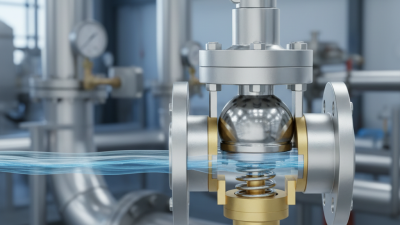
Understanding the structure of carbon steel ball valves is key. They consist of a spherical disc, the "ball," which controls fluid flow. This design leads to minimal pressure drop and high flow efficiency. Some studies show that valves with a corrosion-resistant coating have a lifespan that exceeds traditional models by up to 30%. However, these valves are not without limitations. Improper installation can lead to leakage issues. Regular maintenance is crucial to ensure long-term performance and safety.

Another important factor is the material composition. Carbon steel ball valves typically contain carbon, manganese, and silicon, providing strength and durability. Yet, the corrosion resistance of the valve depends on these materials and any existing coatings. Some operators report maintenance challenges due to wear over time. It’s vital to balance cost and performance when selecting the right valve for specific applications.
Key Features and Benefits of Carbon Steel Ball Valves

Carbon steel ball valves are essential in various industries due to their durability and efficiency. These valves are designed to control fluid flow with minimal resistance. According to a recent industry report, the global market for ball valves is expected to reach $12 billion by 2026, reflecting a growing demand across sectors like oil and gas, water treatment, and power generation.

One key feature of carbon steel ball valves is their ability to withstand high pressures and temperatures. Many models can operate effectively at temperatures exceeding 200°C. This makes them suitable for challenging environments. Additionally, they provide tight sealing capabilities, ensuring minimal leakage. However, not all carbon steel valves are created equal. Corrosion resistance may vary, impacting their long-term reliability. Users should carefully evaluate their specific needs.

The benefits extend beyond just performance. Carbon steel ball valves are often more cost-effective than their stainless steel counterparts. This is particularly important for large-scale applications. Nonetheless, the choice of valve material also depends on environmental conditions. Factors like humidity and chemical exposure can influence durability. Always consider the context of use, as this will dictate the best option for your needs.

Top 5 Carbon Steel Ball Valve Brands in 2026

2026 Best Carbon Steel Ball Valve Reviews and Buying Guide?

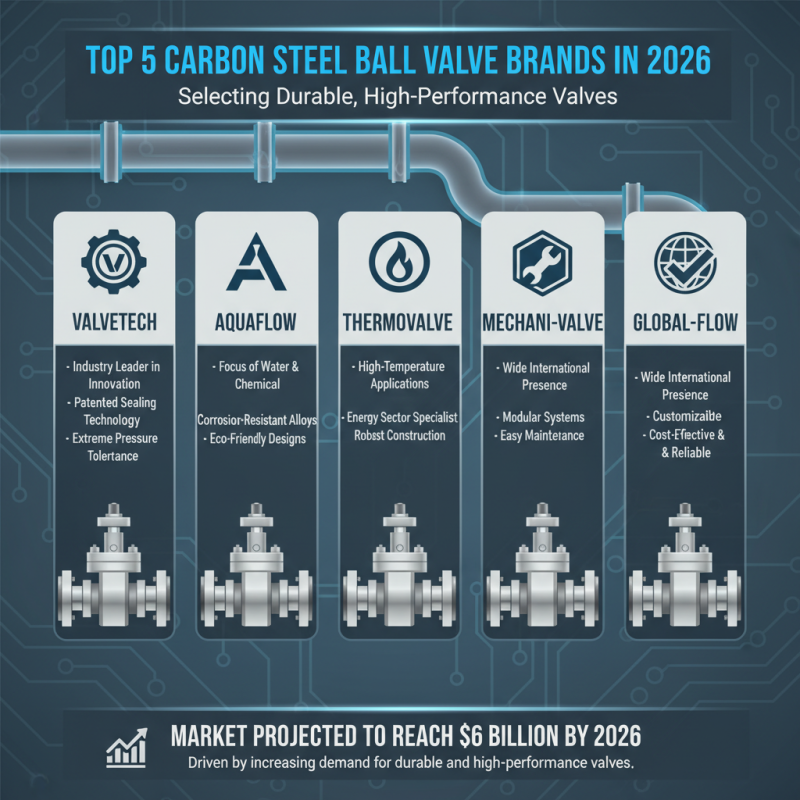
When selecting the ideal carbon steel ball valve, it’s essential to understand the strengths of different brands in the market. According to a recent industry report, the carbon steel valve market is projected to reach $6 billion by 2026, driven by the increasing demand for durable and high-performance valves. This rapid growth indicates a competitive landscape, making brand selection crucial.

Top brands often excel in factors such as material quality, operating pressure, and temperature ratings. A comprehensive analysis reveals that leading brands can withstand pressures up to 10,000 psi. They are also designed for various industries, including oil and gas, water treatment, and chemical processing. Some manufacturers focus on sustainable practices, enhancing product reliability.

While product reviews offer insight, brand reputation is vital. Some newly emerging names may lack long-term performance data. Established brands have a proven history but might not always innovate as quickly. It's a delicate balance between trust and the need for modern solutions. As the market evolves, consumer expectations do too, which might lead to occasional shortfalls in performance or features.

How to Choose the Right Carbon Steel Ball Valve for Your Needs

Choosing the right carbon steel ball valve is crucial for your plumbing or industrial needs. Start by considering the valve's size. An incorrectly sized valve can lead to inefficiency or failure. Measure the pipe diameter accurately before making a decision.

Next, focus on the pressure rating. Carbon steel valves come in various ratings, suitable for different environments. Ensure that the valve can handle the necessary pressure to avoid potential leaks. Think about the temperature range as well. High temperatures can alter the valve’s performance.

Lastly, understand the valve's end connections. Different types of connections affect installation and compatibility with your piping system. Familiarize yourself with these options. If you're unsure, consulting an expert may save you time and money. Keep in mind that a wrong choice may lead to expensive repairs later.

2026 Best Carbon Steel Ball Valve Reviews and Buying Guide

Valve Size Pressure Rating (PSI) Material Temperature Rating (°F) End Connection Type Price Range
1/2 inch 1500 Carbon Steel -20 to 200 Threaded $50 - $70
3/4 inch 1000 Carbon Steel -20 to 250 Welded $60 - $80
1 inch 600 Carbon Steel -20 to 300 Flanged $70 - $90
2 inch 1500 Carbon Steel -20 to 250 Threaded $90 - $120
3 inch 600 Carbon Steel -20 to 300 Flanged $130 - $160

Maintenance Tips for Longevity of Carbon Steel Ball Valves

Maintaining carbon steel ball valves is essential for their longevity. Regular inspections play a critical role in this process. Studies show that 60% of valve failures stem from improper maintenance. Check for signs of wear, corrosion, or leaks frequently. If the valve hasn’t been exercised for a while, it can lead to a buildup of rust.

Lubrication is another key factor. Using the right lubricant can prevent excessive wear. A properly lubricated valve can extend its service life by up to 30%. Focus on the moving parts, ensuring easy operation. Remember, over-lubrication can be just as harmful as under-lubrication, leading to degradation of materials.

Environmental factors also impact maintenance needs. Exposure to moisture and corrosive elements can accelerate deterioration. Implement protective coatings or routines based on local conditions. It’s important to reflect on the specific demands of your installation. This tailored approach can prevent costly repairs and replacements in the future.

2026 Best Carbon Steel Ball Valve Reviews

This chart displays the average durability ratings of various types of carbon steel ball valves based on customer reviews. The data reflects the performance of these valves in several key aspects over a period of time.